
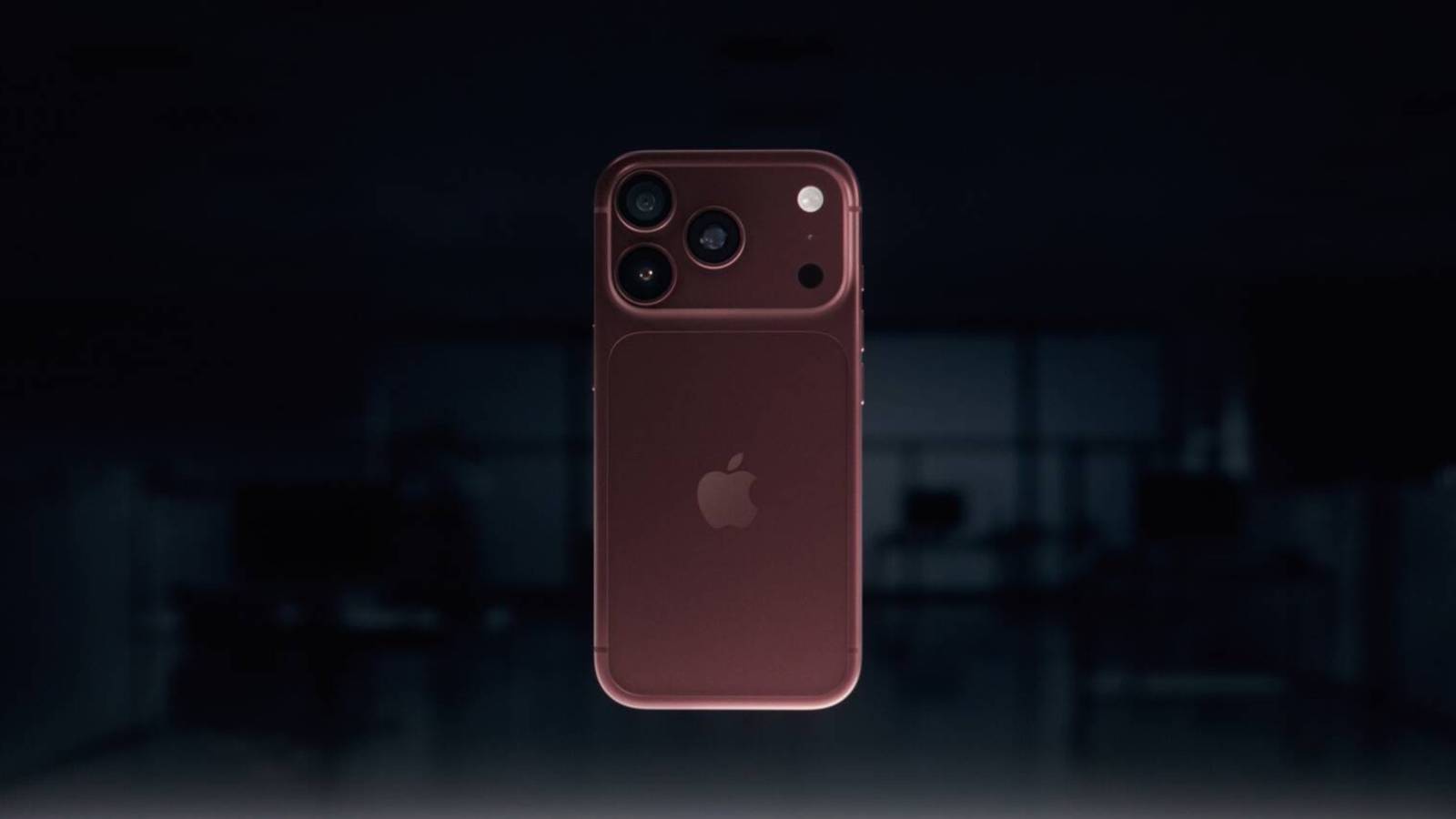
Published Sep 9, 2026, 1:33 PM EDT Viraj Gawde is a Tech Journalist with bylines at Travel+Leisure India & South Asia, Android Headlines, 91Mobiles, Croma Unboxed, etc. He has written thousands of news pieces, how-to guides, product comparisons, listicles, and op-eds on consumer tech. Currently, Viraj is obsessed with the fast-evolving world of artificial intelligence and how it is reshaping the way we work, create, and use tech. As a curious generalist, Viraj's work extends into a wide range of subjects, formats, and storytelling styles. When away from desk, he is a finance, sports, and travel geek with a constant curiosity for new experiences. Sign in to your How-To Geek account Apple is announcing a slew of devices today, but it's starting with its next-generation slab phones—iPhone 18 Pro and iPhone 18 Pro Max. There’s something unusual about this year’s launch—Apple did not announce the standard iPhone alongside the Pro models, marking the first time in six years that the company split its iPhone launch this way. This year's iPhone 18 Pro and iPhone 18 Pro Max come with upgrades that are focused rather than sweeping across the board. What's new in the iPhone 18 Pro and Pro Max Improvements hide in the right places Apple is upgrading the 48MP main rear camera on the iPhone 18 Pro models with a DSLR-like variable aperture ranging from f/1.2 to f/1.8. This gives users more control over the light that reaches the lens, meaning a wider aperture could help with low-light photography and shallow depth-of-field, while a narrower aperture can reduce exposure in bright conditions and keep more of the scene in focus. The rest of the camera configuration on the iPhone 18 Pro and Pro Max remains unchanged from their predecessors, with a 48MP ultra-wide-angle lens and a 48MP 100mm periscope telephoto sensor with 4x optical zoom. The setup supports up to 4K 120fps Dolby Vision video recording. Upfront, both newly announced devices have an 18MP selfie sensor. For serious photographers, the native Camera app is gaining several professional settings, so you won't have to turn to a third-party app for granular controls. The displays on the iPhone 18 Pro and 18 Pro Max now have a smaller Dynamic Island. Furthermore, the island can support up to three live activities at once, up from two currently. This gives users more information at a glance without opening an app. Both phones also get a new LTPO+ display technology, which is more power-efficient while retaining the same 6.3 and 6.9-inch screens with 120Hz ProMotion. The iPhone 18 Pro pair retains the same design as last year’s iPhone Pros with a rectangular camera island on the back panel. But they are only slightly thicker now and arrive in a new set of bold colors. Under the hood, the iPhone 18 Pro and Pro Max are powered by Apple’s new desktop-class A20 Pro processor built on a 2nm process. The storage configuration on the new phones starts with 256GB and maxes out at 2TB. They also feature Apple's in-house C2 modem that's said to be faster and more efficient compared to Qualcomm. The devices get an improved thermal management system with the next-generation of vapor chamber. The iPhone 18 Pro pair comes with incremental battery gains, although Apple continues its long-standing tradition of not revealing the numbers. Apple’s latest iPhones are also the first to ship with iOS 27 out of the box. They come with long-overdue upgrades to Siri and expanded Apple Intelligence features. This makes the new devices more capable beyond their hardware upgrades. iPhone 18 Pro, Pro Max pricing and availability The iPhone 18 Pro will be available from $1,199. The iPhone 18 Pro Max carries a starting price tag of $1,299. Both phones come in Glacier Blue, Burgundy, Silver, and Deep Black.
iPhone 18 Pro and Pro Max have camera upgrades that DSLR users will actually love
Full Article
Original Source
Read the full article at Howtogeek →KhanList aggregates and links to publicly available news content. We do not host full articles from third-party sources. Always verify important information with original sources.