
In the dead of winter in 1994, a former Australian police officer named Bob Reid stepped off a plane into the damp chill of The Hague. The International Criminal Tribunal for the former Yugoslavia, ICTY, had just been established by UN Security Council Resolution 808 as a idealistic diplomatic experiment to address the horrific war crimes then still raging across the Balkans. There was no playbook, no judicial precedent since Nuremberg, and, as Reid recalls with a wry smile, the United Nations had not even allocated a budget for interpreters. Armed with raw determination, Reid’s “Team 1” drove straight into the conflict zone, entering the infamous Omarska prison camp in northwest Bosnia under military escort to seize thousands of documents and floppy disks from local Bosnian Serb authorities. Subscribe to Balkan Insight Premium to read the full article. Please login to your account below if you are already a Premium Subscriber. Buy Premium Subscription Our Premium Service gives you full access to all content published on BalkanInsight.com, including analyses, investigations, comments, interviews and more. Choose your subscription today and get unparalleled in-depth coverage of the Southern and Eastern Europe. Buy Premium Subscription If you have trouble logging in or any other questions regarding you account, please contact us
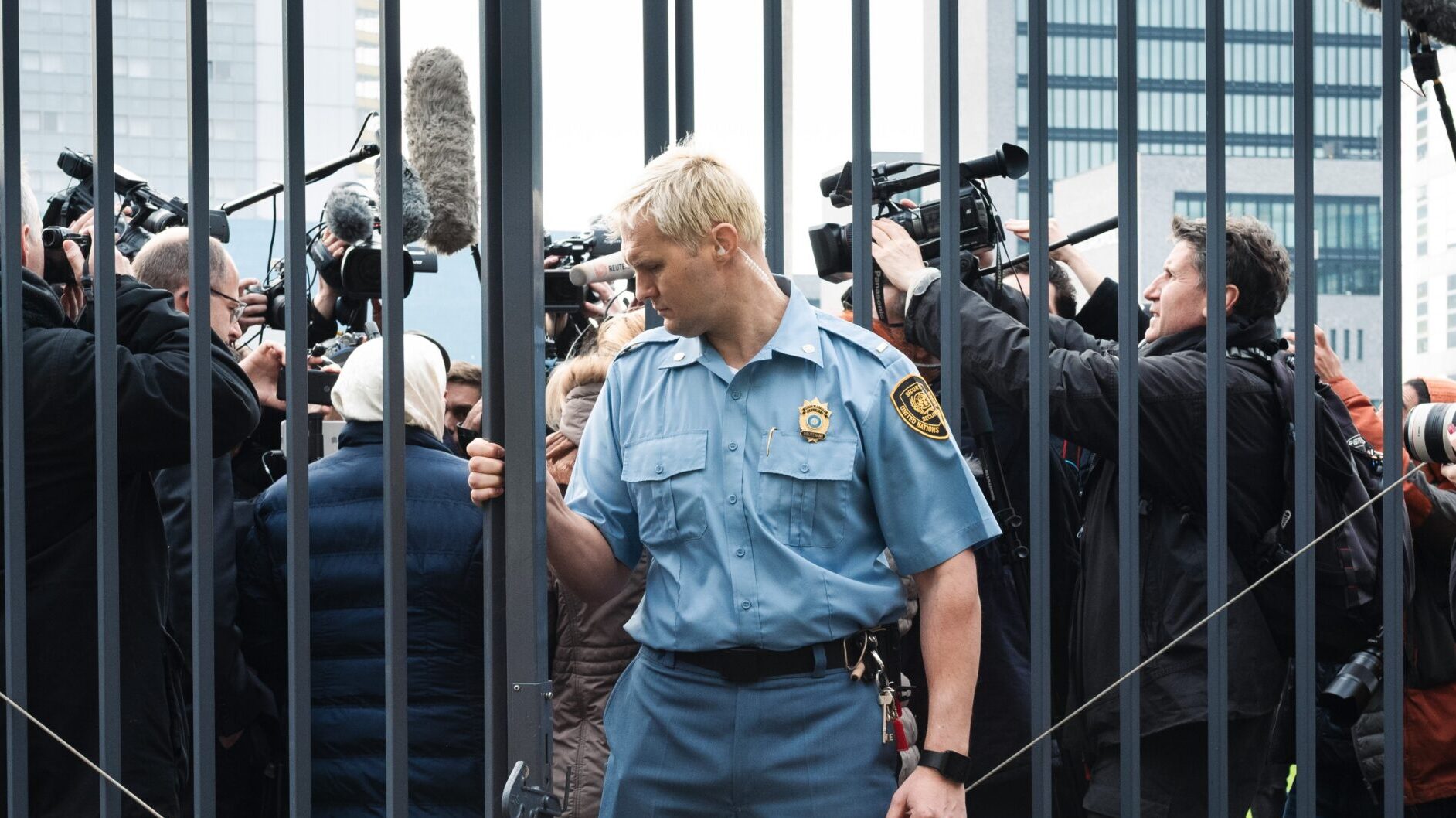
‘Invisible Human Engine’: Book Goes Behind Courtroom Battles at Yugoslav Tribunal
Full Article
Original Source
Read the full article at Balkaninsight →KhanList aggregates and links to publicly available news content. We do not host full articles from third-party sources. Always verify important information with original sources.