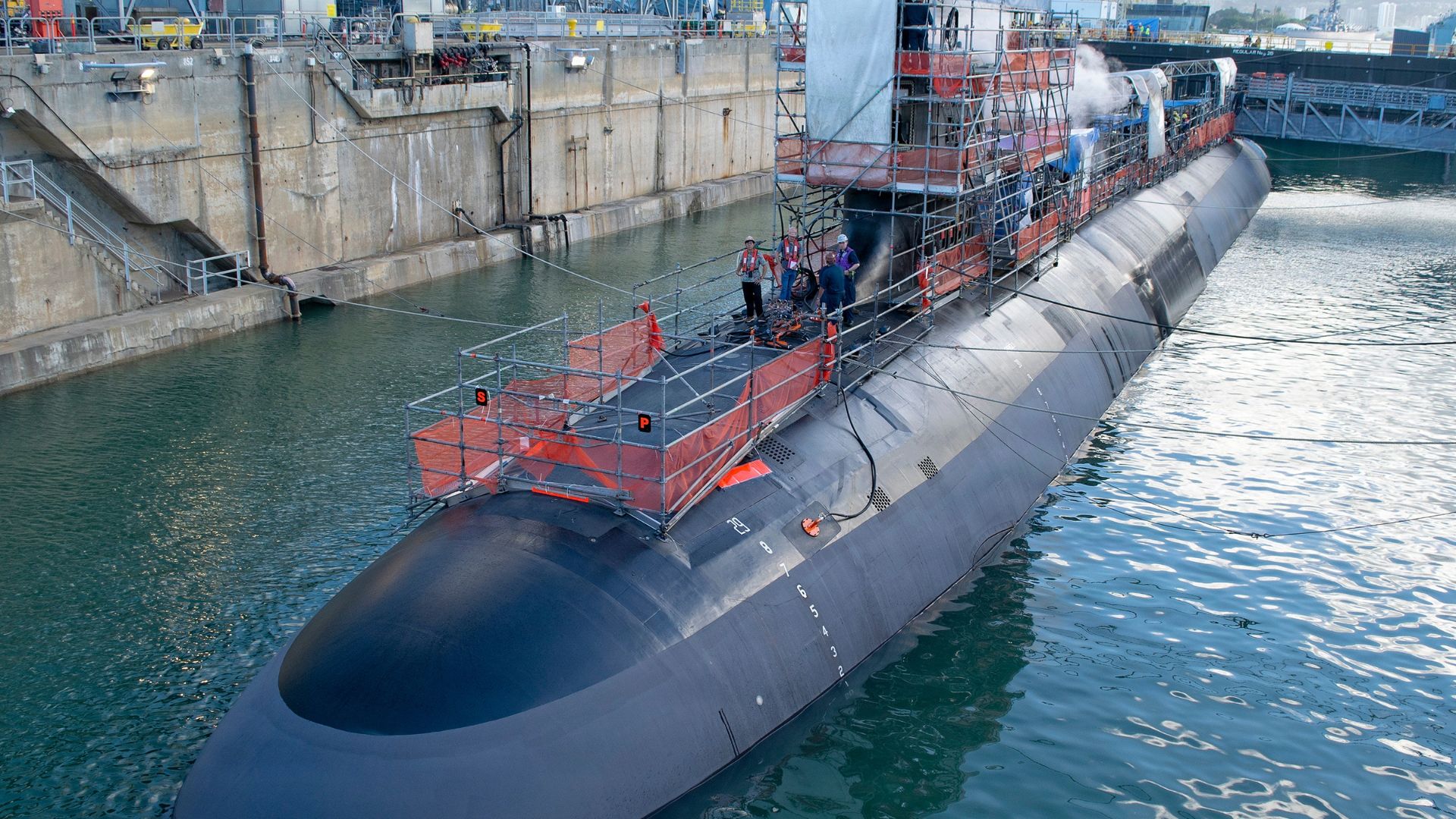
California-based Rangeview Inc. has secured a contract to supply maintenance, repair, and overhaul (MRO) replacement parts for the U.S. Navy. The company operates an advanced investment casting foundry that uses robotics, software, and digital tooling to produce superalloy turbine components for the aerospace, defense, and energy sectors. What the contract covers The contract was awarded under the Department of War’s Defense Industrial Base-Expansion, Development, and Growth Enterprise initiative and is funded through its Industrial Base Analysis and Sustainment program. The award aligns with the US government’s broader effort to reshore critical manufacturing capabilities and strengthen the domestic defense industrial base. The U.S. investment casting industry has faced persistent capacity constraints, driven by aging infrastructure and a declining skilled workforce. One of the industry’s biggest challenges is tooling, as manufacturers must design, fabricate, and qualify physical dies and molds before production can begin. This process can take several months and represents a significant share of manufacturing costs. For MRO programs supporting aging naval vessels, the lack of original tooling can further delay the production of replacement components. Rangeview seeks to overcome these challenges with a tool less manufacturing process that replaces conventional dies with digital production workflows. By using digital design files instead of physical tooling, the company says it can reduce the time required to produce first-article castings from months to weeks. Under the contract, Rangeview will apply its software-driven manufacturing approach to accelerate the production of cast components for U.S. Navy MRO programs while reducing reliance on traditional tooling. Cameron Schiller, CEO of Rangeview said, “American manufacturing is having its moment. The question is who’s going to lead it. We built Rangeview to be that company.” Why MRO supply matters to fleet readiness The US Navy operates one of the most complex and geographically dispersed fleets in the world. Keeping that fleet operational requires a constant flow of components. These range from standard mechanical hardware to highly specific electronic and structural parts. Supply chain disruptions in the defense MRO sector carry real operational risk. A vessel awaiting a single part can be grounded or delayed from deployment. For that reason, the Navy maintains relationships with multiple qualified suppliers across different part categories. Broader context in defense logistics The Pentagon has made supply chain resilience a stated procurement priority in recent years. Part shortages during the COVID-19 pandemic exposed vulnerabilities in just-in-time logistics models. That experience accelerated efforts to diversify the supplier base for critical military components. MRO contracts awarded to emerging or mid-tier suppliers reflect that shift in strategy. Rather than relying on a small number of large prime contractors for all parts, the Navy and other services have broadened their qualified supplier lists. Rangeview’s contract is one data point in that broader procurement pattern. The financial terms, duration remain undisclosed at this stage. Recommended ArticlesGet the latest in engineering, tech, space & science - delivered daily to your inbox.
Investment casting firm wins US Navy contract for MRO replacement parts
Full Article
Original Source
Read the full article at Interestingengineering →KhanList aggregates and links to publicly available news content. We do not host full articles from third-party sources. Always verify important information with original sources.