
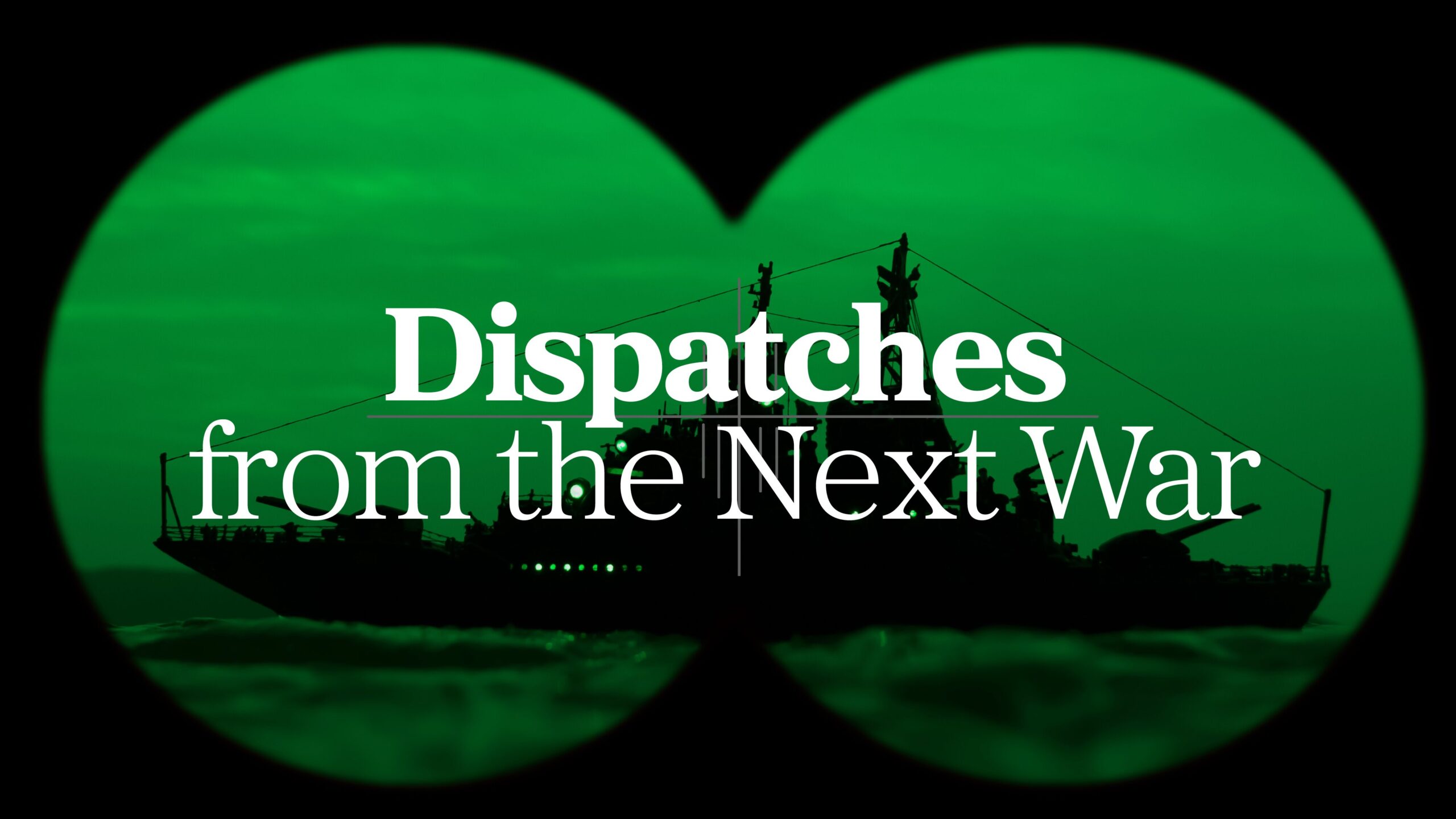
Today, the wars in Ukraine and the Middle East dominate how many policymakers think about modern warfare. As devastating as these wars have been, a far larger and more dangerous conflict could be looming. The Next War—a future war in the Indo-Pacific—could unfold on a scale, with an intensity, and at a pace that is almost impossible to grasp from the current frame of reference of brutal, yet comparatively contained, conflicts. An Indo-Pacific warzone could encompass over half of the Earth’s surface, putting dozens of countries, hundreds of cities, and billions of lives in harm’s way. The fighting could extend from the abyss of the world’s deepest ocean up into outer space and out into cyberspace. Millions of people, ranging from highly trained special operators to unskilled laborers, would have key roles to play, employing humble technologies like pickup trucks alongside cutting-edge hardware, such as directed-energy weapons and autonomous drones controlled by artificial intelligence. Just as worrisome, weapons of mass destruction—biological, chemical, or nuclear—might be employed in an Indo-Pacific war before it ends. The United States could be pitted against one or more nuclear-armed adversaries—China, Russia, or North Korea—and potentially all three at once. British Prime Minister Winston Churchill, himself both a military historian and a prescient forecaster of technological changes that would transform warfare in his lifetime and beyond, warned of the misguided preparations that preceded the disastrous defeats of the Western Allies early in World War II. British and French institutions, he wrote, were “always preparing for the last war.” In this new series, Dispatches from the Next War, Atlantic Council experts offer insights and urgent recommendations to help the United States and its allies and partners better prepare for a future war in the Indo-Pacific, rather than the last one. Like our Dispatches from today’s conflicts, these essays and videos place readers and viewers on the ground, this time into a hypothetical future war. Drawing on wargames, tabletop exercises, interviews with practitioners and scholars, the latest research, historical studies, and regional perspectives, the series explores how such a conflict could unfold. The intention is neither to encourage hostiles nor suggest that conflict is inevitable. Rather, the hope is that vividly imagining how a war could unfold will help identify the steps needed to prevent it from happening at all. These are dispatches from a future war—one that may not happen if we prepare now. This article is part of “Dispatches from the Next War,” a series from the Scowcroft Center’s Indo-Pacific Security Initiative in which our experts provide hypothetical accounts of what the world’s next major conflict could look like in the region where it’s most likely to break out: the Indo-Pacific. These dispatches are styled as fictional intelligence, or “FicInt,” which is used within the military to prepare policymakers for possible futures. The aim is to prevent the next war from ever unfolding. Click on the banner above to explore the Tiger Project.
Introducing Dispatches from the Next War
Full Article
Original Source
Read the full article at Atlanticcouncil →KhanList aggregates and links to publicly available news content. We do not host full articles from third-party sources. Always verify important information with original sources.