
Georgia was once the frontrunner among countries aspiring to European Union integration. Twenty years ago, it was the only country in the region officially announcing its pro-European foreign policy course, declaring that Georgia wanted to become part of the EU and Nato, not only because of security guarantees, but because Europe had always been part of Georgia’s national identity and cultural belonging. This was demonstrated at length through those years with specific democratic reforms and the transformation of the country after the Rose Revolution in 2003. But since then, Georgia is now on a different path — one of illiberal democracy and pro-Russian sentiment. On 9 November, Guillaume Mercier, a European Commission spokesperson, announced that Georgia would not be invited to the Enlargement Forum happening this week (15-16 November). In an exclusive interview with the country’s former deputy foreign affairs minister Nino Kalandadze, we return to the biggest pivotal moments, as well as to how Georgia can be taken as a cautionary tale for the EU and its member states. “Georgia had previously been a failed state, but it was transformed almost overnight into a beacon of democracy,” Kalandadze told EUobserver. “There was a common understanding that democracy was a self-sustainable and self-sufficient project, and that all countries would eventually understand that democracy was what they needed to develop and thrive,” she says. Back in 2012, in the Transparency International ranking of its Corruption Perception Index, Georgia ranked ahead of several EU member states, including the Czech Republic, Latvia, Slovakia, Romania and Bulgaria. “We worked hard to eliminating organised crime and widespread corruption, topping international rankings, and becoming the number one reformer,” says Kalandadze. But in 2026, Georgia illustrates how unsustainable democratic achievements can become and how easily European integration can be reversed. Compared to where the country was 14 years ago, now “we have a ruling system that has remained in power for four consecutive years without majority support,” says Kalandadze. That is problematic, as it has banned international funding and civil society organisations, thereby “eliminating critical media and critical voices, establishing a system of political prisoners, with leaders and activists in prison or exile, and essentially cleared the way for itself by eliminating political competition,” Kalandadze says. And now, “we have essentially reached the final stage of autocratic consolidation,” says the former deputy foreign affair minister. “There is no way for us to maintain the instruments we need to move closer to European integration.” The soul is intact, the body is changing In 2024, some 20,000 Georgian citizens took to the streets to defend European integration, their freedom, and the choice they made about the foreign policy direction Tbilisi should follow. The demonstrators back then called it “March for Europe”. “This is still a freedom-loving and civilised society,” says Kalandadze. Indeed, “society made the effort to transform Georgia into a country that could obtain EU candidate status,” she also says. But the political system failed. “It is a combination of what many would call democratic naivety, but also perhaps convenience and ignorance on the part of international partners,” she says. The “blind eye” over Russia that the EU followed are one of the reasons for Kalandadze to explain Georgia’s U-turn.
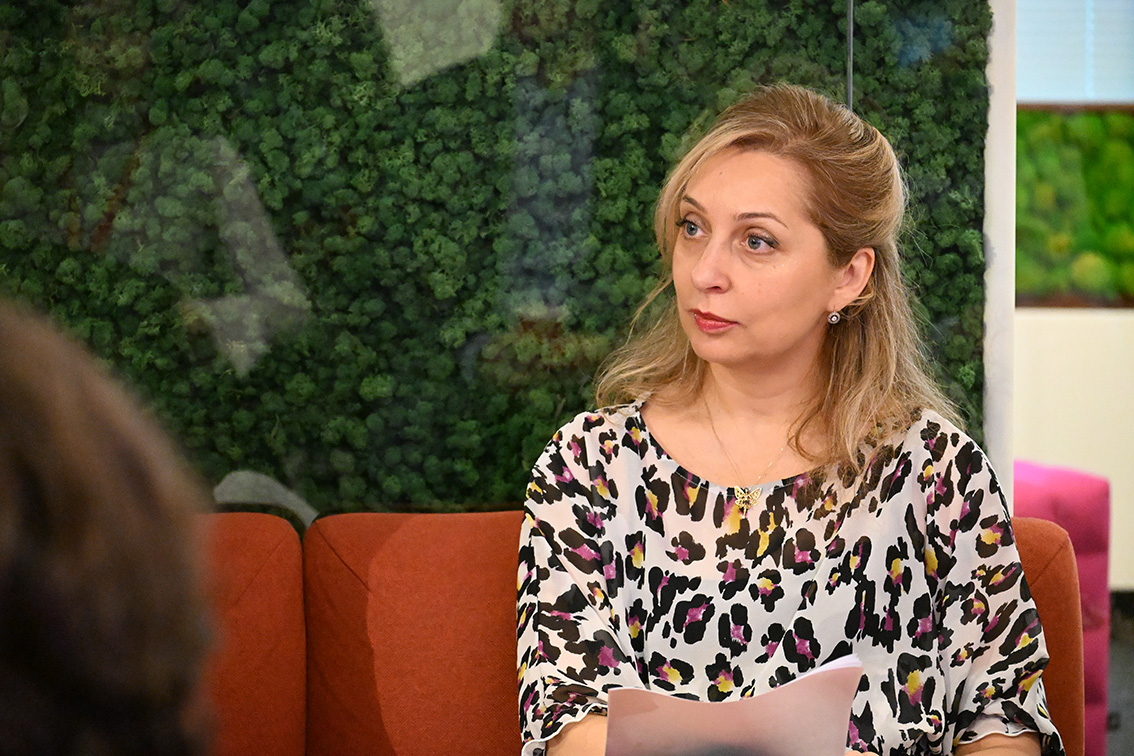
[Interview] ‘Georgia has reached final stage of autocratic consolidation,’ warns former deputy foreign minister
Full Article
Original Source
Read the full article at Euobserver →KhanList aggregates and links to publicly available news content. We do not host full articles from third-party sources. Always verify important information with original sources.