
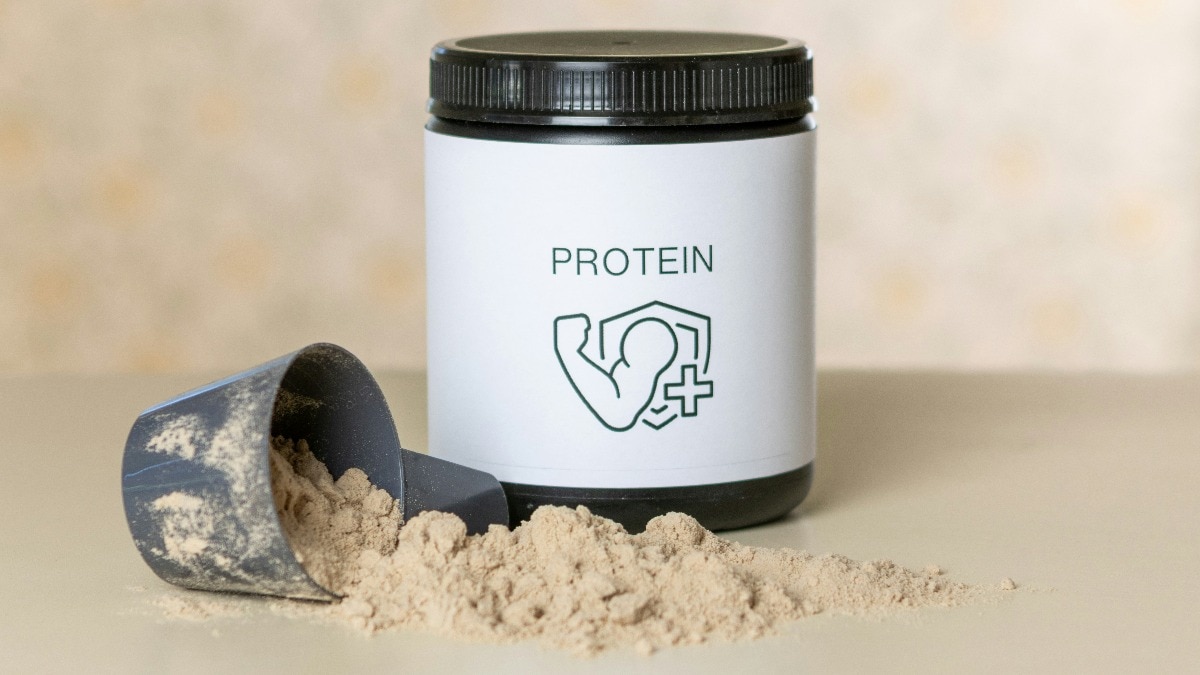
More protein, please? A viral homemade "protein powder" recipe has people debating what actually counts as a protein-rich food. We asked the experts.A DIY recipe of "homemade protein powder" has got the internet debating (Photo: Unsplash)"How much protein does it have?"This question has almost become second nature whenever there is food in front.From fitness enthusiasts trying to hit their daily protein intake targets to people simply trying to make breakfast more filling, protein has become one of the biggest talking points in everyday nutrition. It is in breakfast bowls, coffee, desserts, chips and even water. Social media has not played a small role in this.These days, the internet seems to have decided that if a food contains protein, it automatically deserves to be called “protein something.” Which brings us to a viral homemade “protein powder” recipe that does, in fact, contain several protein-rich ingredients - but has also sparked a rather interesting conversation online. A recipe for “homemade protein powder” posted on Instagram by content creator V Rupesh Kumar Rao went viral across social media platforms. And why not? It promises a protein-packed punch to your daily diet using some readily available ingredients from your kitchen, including chickpeas, pumpkin seeds, sunflower seeds, watermelon seeds, cashews, peanuts, oats, makhana, fennel and roasted chana.As the recipe went viral, the comments followed. Soon, the protein police were out (is still out, actually) in full force. Even Krish Ashok, author of Masala Lab, weighed in - and honestly, that made it even harder to look away. Can you make protein powder at home with regular kitchen ingredients? The ingredients in this “homemade protein powder” are wholesome enough and fit neatly into the protein-maxxing trend. After all, it contains chickpeas, makhana, oats, chana and seeds—all foods that contain protein. One X user called it a “super energy drink” that everyone should prepare and consume. (sic)But there’s a catch: containing protein doesn’t necessarily make something high in protein. And that distinction matters. Enter Krish Ashok, who highlighted an important aspect about this viral recipe:"Here is a quick heuristic for considering anything to be an excellent protein source - at least 20g of protein per 100 kcal. 15-20g is very good. 10-15 is good. Below 10, it's really not a protein source. If you do the maths on this powder, it comes to 4.2g of protein per 100 kcal. It is mostly a carb and fat source. In contrast, whey isolate gets you 22-24g per 100 kcal," he wrote. The online debate: is this a protein powder, really? Grace Abraham, senior clinical dietitian, SPARSH Hospital, Bengaluru, says the ingredients are not the problem. But she would not call it a “protein powder” in the strictest sense either.“It would be more appropriate to consider it a homemade blend of nuts, seeds and cereals in the form of a nutritional or energy mixture. While all these foods contain protein, at the same time they contain significant amounts of fats and carbohydrates, thus the protein content is not especially high,” she says.Also, remember the mishri? “Moreover, this recipe includes 50 g of mishri, which means additional sugar but no improvement in the protein value,” she adds. In other words, the mishri doesn't exactly help the homemade powder make its case as a protein supplement.So, while the jar may look like a homemade answer to your protein goals, it isn't quite the same thing as a concentrated protein supplement. Is it healthy, then?Can be.“On their own, chickpeas, pumpkin, sunflower and watermelon seeds, cashew and peanut nuts, oats, makhana, fennel, and roasted chana are all quite healthy foods,” says Abraham.However, whether this mixture is healthy or not mostly depends on the portion.The mix contains nuts and seeds that provide protein, fibre, minerals and unsaturated fats, good fats, vitamins, minerals and even help with satiety. At the same time, these ingredients are also calorie-dense. So, while a moderate portion can be a healthy addition to the diet, a large serving may contain much more calories than one might expect.Remember...Healthy does not automatically mean eating without measuring. And a nutrient-dense mix should not automatically be treated as a substitute for a protein supplement either.The bigger point here is that a homemade nut-and-seed mix and a protein supplement serve different nutritional purposes. Whether someone needs additional protein in the first place also depends on their individual requirements and how much protein they are already getting through their regular diet.The homemade mix isn't completely bad. In fact, it could be a perfectly good addition to a balanced diet, particularly in moderate portions. But we need to stop treating the word protein as a magic health halo.- EndsPublished By: Jigyasa SahayPublished On: Sep 4, 2026 08:00 IST
Internet loves this 'homemade protein powder', but the protein math is not mathing
Full Article
Original Source
Read the full article at Indiatoday →KhanList aggregates and links to publicly available news content. We do not host full articles from third-party sources. Always verify important information with original sources.