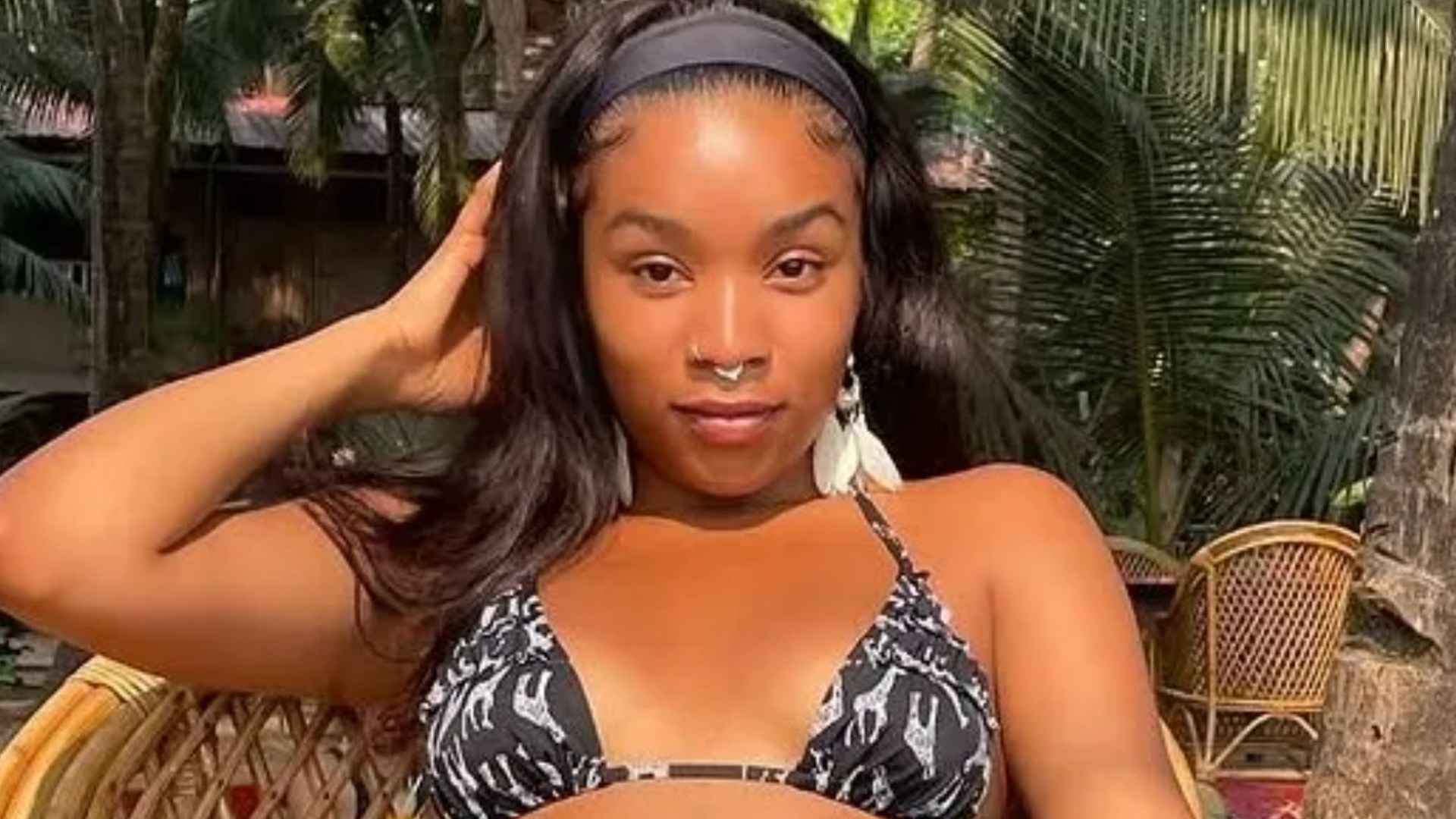
CASH, attention, undue sympathy – what drives someone to falsely accuse another person of rape? As a young British woman is jailed in Hong Kong for blackmailing a banker with a false rape claim, the chilling psychology behind such a torturous and life-altering crime is more complex than it might first appear. Isabel Rose has been jailed for six years in Hong Kong for blackmail and fake rape claims Credit: Jam Press/@iamisabelrosee She filed a fake rape claim against a banker she had met while travelling Credit: Jam Press/@iamisabelrosee Isabel Rose, 26, from Hackney, East London, was last week sentenced to six years behind bars for blackmail and perverting the course of justice. She demanded £100,000 from an anonymous banker, threatening to report him to the police. Sign up for The Sun newsletter Thank you! But there are many hidden motives behind this rare but twisted crime beyond the allure of cold hard cash, experts told The Sun – as the judge who sentenced “wicked” Rose appeared to hint at. Judge Adriana Noelle Tse Ching slammed Rose, saying she had “not shown an iota of remorse for her wicked behaviour”. The judge said she had taken advantage of the man she accused’s “kindness, naivety, friendship and romantic interest”. Dr André De Zutter, a legal psychologist and a leading expert on fake rape claims, said victims of false complaints “say it’s the worst thing that can happen to you, because even your own mother is disgusted by you”. Rather than being meticulously planned, fake rape allegations are normally opportunistic – accusers use them to get out of a corner or, in rare cases, to make a frantic grab for cash. Dr De Zutter said: “It’s an impulsive act out of desperation. You’re in a corner, you don’t know what to do. And that seems the only way out.” Most read in The Sun People who fabricate rape rarely “have a good life” he said, adding that making a fake rape claim, “for a lot of women, is an unthinkable crime“. But in Rose’s case, the allure of callous financial gain was irresistible regardless of the agony it would cause – and appeared to be more thought-out than most false rape claims. Rose had met the banker while travelling in Thailand in January 2024. A month later she flew to meet up with him in Hong Kong. And in devastating series of texts revealed in court, she would go on to torturously try to extract as much cash from her target as possible. The pair spent the night of February 1 together, but the next morning, Rose sent him a WhatsApp message saying: “Are you annoyed I didn’t want to have sex.” He replied: “What no of course not. Was impressed by your restraint.” An expert told The Sun Rose’s case seemed to be driven by the rarest motivation: financial gain Days after the alleged assault, Rose demanded £5,000 then began to ask for ‘escalating amounts of money’ Credit: Jam Press/@iamisabelrosee Later that day, Rose wrote: “You violated me last night, I didn’t wanna have sex.” Desperate and confused, her victim replied: “I’m really deeply sorry, I was slightly drunk and I misread your signals, it’s no excuse and I know it doesn’t make it any better.” Later on, Rose delivered the devastating blow – she messaged him claiming: “You basically raped me.” Days after the alleged assault, Rose demanded £5,000. The man had agreed to reimburse her for her travel and accommodation in Hong Kong, the court heard. When he sent the cash, she began to ask for “escalating amounts of money” eventually demanding £100,000. In one message, Rose wrote: “Send me the right amount you owe me for everything. Think about that. Think carefully.” She added: “You’ve given 10% of what I’m owed. 100% of my soul gone.” Her victim pleaded: “But I don’t have 100k, I have no way of paying you that.” Rose then filed a police report claiming the man had raped her. He was arrested, but released within hours, and investigators turned their attention to Rose, charging her with blackmail and perverting the course of justice. The 26-year-old was handed a guilty verdict in March after a six-day trial. The judge described the banker as an “honest, credible and reliable witness”, whilst Rose was labelled “dishonest, uncredible and unreliable”. De Zutter said Rose’s case was rare because “mostly, false allegations are about sympathy and attention”. His studies focus on women who have made fake accusations of rape, because false accusations represent such a tiny slice of all cases, and women are more likely to be raped than men. He explained that some people make false allegations for attention – both positive and negative. De Zutter said Rose’s case is ‘about revenge and material gain but mostly, false allegations are about sympathy and attention’ Credit: Jam Press/@iamisabelrosee Rose was labelled as ‘dishonest, uncredible and unreliable’ by a judge Credit: Jam Press/@iamisabelrosee De Zutter said: “Sympathy is positive attention. But some people also thrive on negative attention. “If somebody dislikes you, but he calls you every day to say that he dislikes you, that’s also a sort of attention.” Rape is incredibly difficult to prove, with very few police reports leading to a conviction. Dire chances of justice make it difficult for genuine victims to come forward, with hours of police interviews going over and over a traumatic event hellish for survivors. But De Zutter said fakers who crave any sort of attention enjoy the process “because they get the attention they normally don’t get”. He said: “The police talk to them for hours and hours and they are called back again and they are investigated. “And the person who is making false claims does not mind. There is some gain.” Stacey Sharples, 31, may be Britain’s most notorious filer of fake rape claims. She repeatedly sought out men online, making it clear she wanted sex. Afterwards – sometimes without any sexual activity taking place – she would call the cops and allege she had been raped. In February, Sharples pleaded guilty to ten counts of perverting the course of justice for filing false rape reports against ten separate men. Most of the men were arrested or spent time in custody before police untangled her twisted web of lies. She was handed a four-and-a-half year prison sentence for the fake claims she made. De Zutter said those who make fake rape accusations often target several people as they become increasingly desperate for attention. Scrutiny from police or hatred from those they are accusing doesn’t put them off, the psychologist said. Dr Elizabeth Loftus, a psychologist specialising in false memory, told The Sun that some fake accusers can even believe that a rape happened even if it did not. She said: “When I get involved in a court case where it appears as if a false accusation is being made, I usually ask the attorney: ‘Do you think she honestly believes it happened or that she is deliberately lying?’ Stacey Sharples, 31, may be Britain’s most notorious filer of fake rape claims Credit: PA She was sentenced to four-and-a-half years behind bars for filing false rape reports against ten separate men Credit: Andy Kelvin / Kelvinmedia “Both are possibilities. People can come to believe that something happened that did not, especially when they are exposed to a lot of suggestion.” She added: “People who come to believe that their false memory is authentic have also sought economic ‘compensation’ for what they believe is a harm done to them.” Dr Felicity Goodyear-Smith told The Sun that fake accusations could come from “misunderstanding, misinterpretation of an event, mistaken identity, contaminated or distorted memory”. She said they could also follow “unrequited romantic interest” or be to “avoid judgement from others following consensual sex subsequently regretted”. After attention and financial gain, there is another factor that can lead people to falsely report a rape: to create an alibi, or explain themselves out of a hole, De Zutter said. He explained: “There are a lot of famous cases where somebody is late and had consensual sex with her boyfriend, but the parents were very strict. “She comes home and the father is really angry because she is late. Dad-of-three Astron Inman said he ‘felt like a pariah’ after Sharples falsely accused him of rape Credit: Focus Features He said: ‘My life was turned upside down. My relationship broke down, I couldn’t see my children’ Credit: Focus Features “And then she thinks, ‘If I say that I’m raped, then all this anger turns into sympathy’.” He said another reason for filing a false rape accusation is when someone has cheated on a partner. Dr Goodyear-Smith said a made up rape allegation could be used as an alibi to “explain unfaithfulness or unexpected pregnancy” or “account for an unexplained absence”. Fake rape accusations are devastating for their victims, CEO of the False Allegations Support Organisation Margaret Gardener told The Sun. She said she had supported “mainly men” and “some women over a 22 years period, accused of both sex offences, including many rapes, and the falsely accused of child protection issues”. Gardener claimed “those making allegations are supported all the way to the court case”, whereas the accused get “absolutely no support, except for a small number of volunteer falsely accused support groups”. Dad-of-three Astron Inman said he “felt like a pariah” after Sharples falsely accused him of rape. He said: “My life was turned upside down. My relationship broke down, I couldn’t see my children. I was panic-stricken.” “I couldn’t trust anyone. I had a DBS done for a new job and it came back with ‘arrested for rape’ on it. I was mortified. I had a long spell out of work and had to sell my car to make ends meet. Astron said he will never get back the man he once was. He said: “I’m glad it’s all over now, but I can’t just put it all behind me. She can pick up the pieces of her life when she’s released, but I can’t. My life has imploded.” False rape claims remain incredibly rare – but many survivors of sexual violence still struggle to report genuine crimes. De Zutter said balancing the possibility of a fake accusation is very difficult for investigators. A man is roughly 230 times more likely to be raped or sexually assaulted than to be the subject of a proven false accusation, analysis by Channel 4 showed. De Zutter explained: “You cannot go around and say, oh we should be more sceptical of women. Because then you would not trust a lot of women who are actually raped or sexually assaulted. “If you would trust all victims, we would make a mistake 1 in 20 times. “But if you distrust all victims, we make a mistake 19 out of 20 times. “So it’s always better to be trustworthy, empathetic, sympathetic – but that’s the area where a false complainant manoeuvre.”
Inside the sick minds of false rape accusers making life-changing allegations for money & sympathy as Brit, 26, jailed
Full Article
Original Source
Read the full article at Thesun →KhanList aggregates and links to publicly available news content. We do not host full articles from third-party sources. Always verify important information with original sources.