
COC, DOC, APG, DEFA? The trick to covering ASEAN is cutting through the diplomatic speak and explaining how it affects you. Hey, it’s Lance. Most days, I cover business for Rappler, but last week took a bit of a left turn. The Philippines hosted leaders and delegates from across the region and beyond for the ASEAN Summit and its related meetings. I was in the thick of it. But for all the peculiar challenges of covering ASEAN — with its glitz and glamour and a veritable who’s who of the political world — perhaps the hardest was making its consequential, if rather boring, policy developments sound interesting. Consider one of the summit’s major developments: the provisional resolution of a milestone issue in the ASEAN-China SCS COC negotiations, affirming the 2002 DOC as the foundation of an effective and substantive COC consistent with UNCLOS. Still with me? Basically, ASEAN and China have agreed that their new rules for conduct in the South China Sea (COC) should build upon an old set of rules (DOC). But they’ve yet to agree on the most contentious part: whether the new rules will carry the force of law. See, the trick to covering ASEAN is cutting through the diplomatic speak, finding out what’s actually new, and explaining how it affects you. Of the summit’s hundred-plus outcome documents, which would translate into results people could feel? Take the ASEAN Power Grid (APG). I was more interested in what it would physically take to connect an archipelago like ours to our neighbors. Regional grid investments could exceed $300 billion, including $27 billion for cross-border connections alone. A win on paper, but still a long way from our electricity bills. The same goes for the ASEAN Digital Economy Framework Agreement (DEFA), which promises to make cross-border digital trade easier. But amid all the fanfare surrounding its signing, business leaders still ask why, more than a decade after ASEAN celebrated the birth of its economic community, doing business across the region remains so cumbersome. There’s also as much to say about what the Philippines couldn’t get done as what it did. President Ferdinand Marcos Jr. had gains to show for his chairmanship, but what of the bloc’s thorniest problems? Myanmar remains embroiled in a civil war, though ASEAN has opened the door a little wider to its political return. And, as mentioned earlier, the COC remains unfinished. Covering ASEAN, of course, was a team effort. Patrick Cruz endured a grueling schedule covering protests, missing the comforts of the media center he himself showcased. Jelo Mantaring’s coverage extended beyond ASEAN proper to Donald Trump’s state visit and his fascination with Marcos’ “very good genetics.” Sundy Locus spoke with the Japanese delegation about how Japan could help Southeast Asia build up its oil reserves. Our readers need not be particularly interested in ASEAN to care about what comes out of it. They already care about their electricity bills, their livelihoods, and what happens in the West Philippine Sea. It’s our job to draw those connections. – Rappler.com Inside the Newsroom is a newsletter delivered straight to your inbox every week. Visit rappler.com/newsletters to manage your newsletter subscriptions. How does this make you feel? Loading
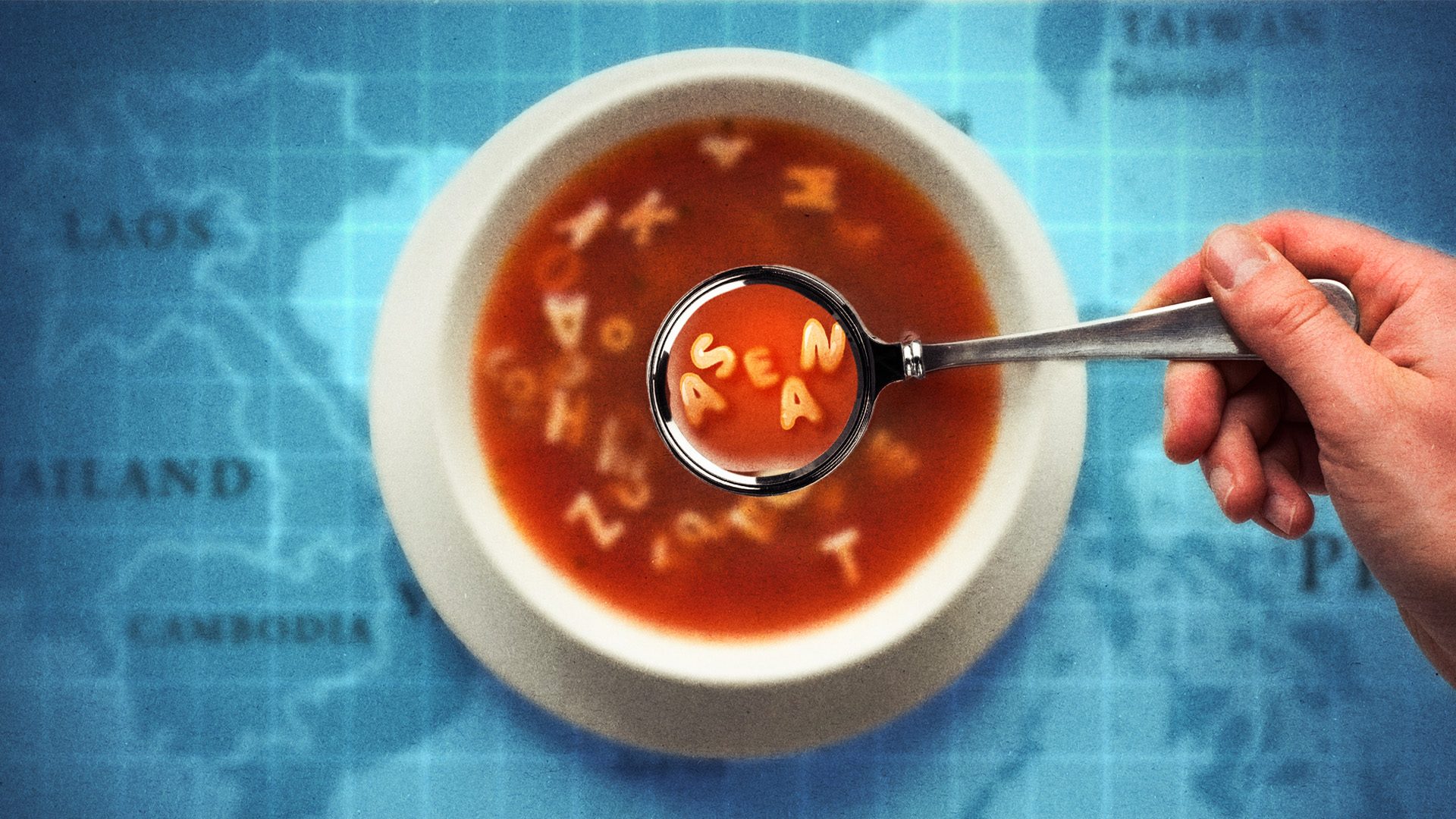
[Inside the Newsroom] Making sense of ASEAN’s alphabet soup
Full Article
Original Source
Read the full article at Rappler →KhanList aggregates and links to publicly available news content. We do not host full articles from third-party sources. Always verify important information with original sources.