
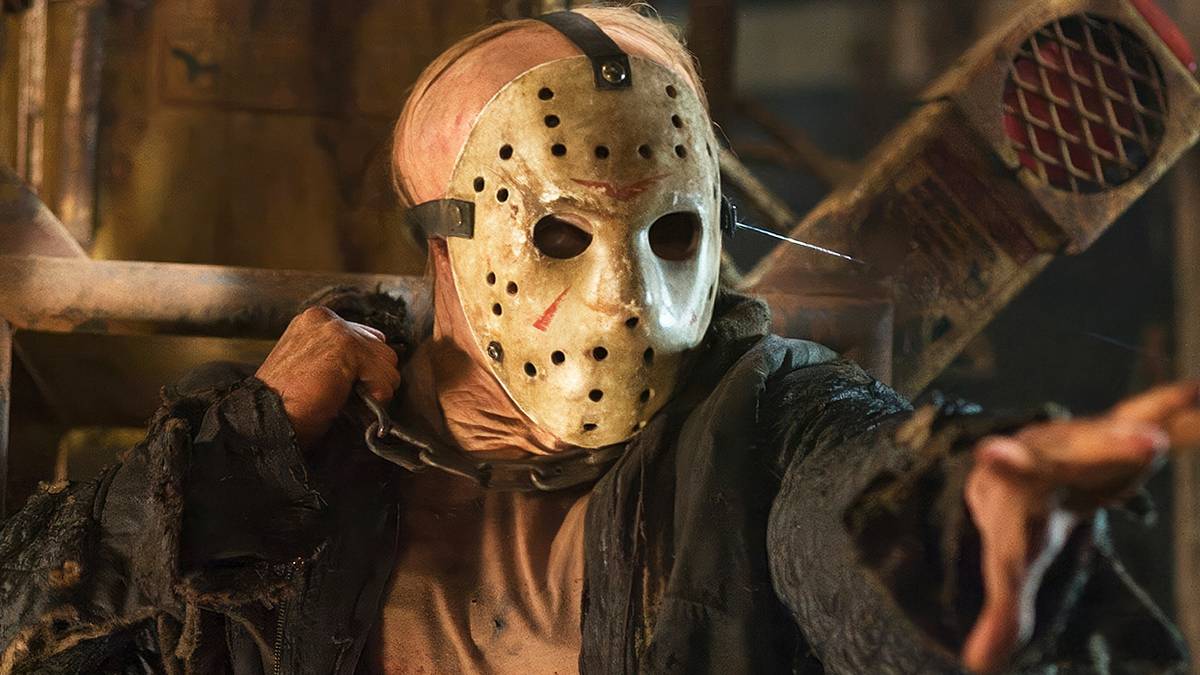
Paramount Pictures Published Aug 12, 2026, 9:11 AM EDT Sign in to your Collider account Summary Collider's Steven Weintraub moderates the Producers on Producing panel at SDCC 2026. Producers Brad Fuller, Andrew Form, and Simon Kinberg reflect on past projects, sharing stories from X-Men, the lost Friday the 13th movie, and future movies like A Quiet Place Part III. Producer Kelly McCormick also asks the panel a question, and the trio share clips and discuss the movie magic behind them. There's a lot that goes into making a movie, more so than people even imagine. The unglamorous work that helps individual films get greenlit, shot, and released often comes from producers such as Brad Fuller (co-founder of Platinum Dunes alongside Michael Bay), Andrew Form (producer of Platinum Dunes' A Quiet Place), and Simon Kinberg (longtime X-Men screenwriter and producer), who joined the Producers Panel held at 2026's San Diego Comic-Con. Moderated by Collider's Steven Weintraub, the three panelists discussed all things related to the industry, the projects that defined their careers, and the opportunities that slipped through their fingers. A staple of 20th Century Studios, particularly the studio's direction of its Marvel Comics characters, Kinberg shared many insightful stories about working on films like X-Men: The Last Stand, X-Men: Days of Future Past, and Deadpool. In his long line of impressive producing credits, Project Hail Mary, one of the signature releases of 2026, could've been added to his repertoire, but Kinberg lost out on that opportunity. One of Kinberg's most difficult experiences came when shooting the third act fight sequence in Brett Ratner's X-Men: The Last Stand, a notoriously derided film that the writer-producer admits that one should "probably skip." Deadpool, on the other hand, is a movie that Kinberg is wholly proud of. Form, who produced A Quiet Place, screening John Krasinski's survival horror-thriller was an unforgettable experience, and one that enhanced the film's calling card as a "silent" picture. Watch the video to hear the full conversation between Weintraub, Fuller, Form, and Kinberg, where they discuss the altered ending of The Martian, reflecting on The Amityville Horror remake, creating The Purge, and the unmade Friday the 13th movie which fell apart four weeks from when filming was set to begin. Brad Fuller, Andrew Form, and Simon Kinberg Reflect on Their Early Producing Days "DVD was very big when we started." Image via Trent Barboza COLLIDER: If you are curious about what a producer does and the behind-the-scenes of being a producer, you are in the right place. So you guys receive a great script tomorrow, but it has no director, no cast, no financing, and several sequences that are impossible to shoot. What is the first move each of you makes? BRAD FULLER: I think the only way to evaluate it is to choose a director. Because when you talk about impossible sequences to shoot, that's going to be the director's job. So, the first thing that I would do, and Drew would probably do this with me… ANDREW FORM: The first thing you would do is ask me what I thought of the script. FULLER: That's what I would ask. And then we would talk about who would be the right person to direct the movie. SIMON KINBERG: Yeah, I think I would do the same thing. I don't know what is left that would be impossible to shoot, though. I actually think we're living in a world, both in terms of the ability of people to shoot things practically that at the beginning of our careers would never have been imagined possible, and then obviously, all the CGI stuff that's possible now. I think it's just how much will it cost? I would do the same thing. You go to the director first, also, because that's how you get the cast. No matter how good the script is, they're going to say, “Who's directing it?” So I think as you start to build the package and the reality of the movie, you start with the filmmaker. How different is the industry today compared to the industry you three entered? FULLER: Totally different. It's totally different. When Drew and I started, there was no streaming. You could go to a Blockbuster and look for movies. FORM: DVD was very big when we started. FULLER: Yes. So there are more places to sell your movies, but there are less ways to get a theatrical movie made. KINBERG: We all started around the same time, and we've known each other a long time. Drew and I were just backstage, and he was asking me about my eldest son, who's 21, and Drew was at his first birthday party. So, as much as my son has changed, I would say the industry might have changed more. I think the kinds of movies that are made have changed drastically, as well. We three are lucky enough to have made a bunch of franchise movies and work in genre, which is what this convention is all about, and those are the kinds of movies that are being made by studios, with obviously some extraordinary exceptions recently. When we started, the mid-size adult drama still existed, the romantic comedy still existed in movie theaters, the comedy still existed in movie theaters. Whole genres have been largely wiped out of the theaters in the last couple of decades. FORM: Yeah, and I think the big question we all get now is, “Is the movie theatrical?” And what does that even mean? That is the question that we have to answer every time we read a screenplay if we're bringing it to a studio and trying to build the movie, knowing we'd like it to be seen in movie theaters. That was not around when we all started. Every movie, to us, was theatrical. What is it actually like to pitch a studio head or studio heads? When you're going in, are you meeting with one or two people? Is it a boardroom of eight people? Is it marketing and the studio heads? How does it actually work behind the scenes? FORM: Well, there's different stages of pitching. So there's, we can say, stage one when you have an idea, and you can go in and just try to sell an idea to a studio, or maybe it's just a screenplay. Then, you slowly are moving the ball down the field to the point of going to a green light, where we've all been in a room where you have the entire marketing department, everyone. There's 40 or 50 people in the room, and the filmmaker is in front of everybody with images, pitching what the movie can look like or what it will look like, trying to get the movie to the start of production. KINBERG: That's what it's like now. The first time I ever pitched to a studio head was about 20 years ago. I came out to LA in my early 20s, had a pitch with a producer, and we went to go pitch it to Scott Stuber, who was the sort of head of Universal at the time. I had never pitched to anybody in my life — this is not a story that's instructive. It only maybe will help you if you're ever in this position and you feel as awful as I did. I woke up in the morning, and I was so scared. I called the producer — no text — and I was like, “I'm sick. I'm ill. We can't do it today.” And the producer was like, “Get your ass in a car and get here.” I got there, and I was like, “I’ve got to go to the bathroom. Just give me a second.” I went to the bathroom, I vomited because I was so nervous. I then went and pitched Scott Stuber, having just vomited and having not slept at all the night before, and he passed, obviously. But it was not the last time I pitched him. So, it's pretty stressful, no matter what, I would say. When you really care, it's even more stressful. FULLER: Does he know that? You told him this story? KINBERG: Yeah, yeah, and I’ve pitch him since. FULLER: No vomit? KINBERG: No, no vomiting anymore. FULLER: Good. Collider's Producers on Producing Panel Reveal the Projects They Wished They Didn't Pass On One of them is a 2026 Best Picture frontrunner. Image via Amazon MGM Studios What is the single greatest script or project that slipped through your fingers, the one that got away, or the one you fought tooth and nail for that the studio just wouldn't greenlight? FULLER: Did we read Saw before it got made? FORM: We saw the short. FULLER: Drew and I saw the short to Saw, and we were very interested in that. FORM: And we missed it. FULLER: And we missed it, and that still hurts. KINBERG: That one for me is a fresh wound, which is, Project Hail Mary. FULLER: Ugh, that hurts me. KINBERG: Thank you. This is great therapy. FULLER: Wait, what happened? KINBERG: Great therapy. So I produced The Martian, and Andy Weir wrote The Martian, Andy Weir wrote Project Hail Mary. I read the manuscript, as did 50 other producers, to Project Hail Mary, and what happened is actually maybe instructive or informative. I was given a handful of studios that I would be able to take the the book into, there were like five studios, and a couple other producers were given other studios. Amy Pascal, who produced Project Hail Mary, the movie, was given Amazon MGM. Amy is an extraordinary producer. She's also my next door neighbor. She is an extraordinary person. I love her — I hated her at the time. So, MGM won and they got the rights, and Amy was attached to it. The irony is, the people that, among others were, were bidding on my behalf were Netflix and Warner Bros. Netflix was run by Scott Stuber in that moment five years ago, Warner Bros. was run by a bunch of people, but Courtenay Valenti, who was an executive at Warner Bros., was the champion for me at Warners. A guy named Michael De Luca was running Amazon MGM, who bought the movie. By the time the movie came out, Mike De Luca was now running Warner Bros., and the woman, Courtenay Valenti, who was at Warner Bros., was now running Amazon. They released the movie, and Scott Stuber was somewhere in between, where he kind of runs MGM. So, none of that made sense. But sadly, I knew that movie when I read the book would be extraordinary. It was even better than I anticipated, but it was a fantastic book. FULLER: When did you actually see the movie? Was it hard for you to go see it? KINBERG: Yeah. FULLER: I'm not trying to rub salt on the wound. KINBERG: No, no, this is good. My therapist would be really happy with this. I kept asking people about it who had seen it before it was released, being like, “Is it as good as The Martian? Is it better than The Martian?” And they were like, “It's different than The Martian,” which is like when you're like, “Is the guy she's dating, my ex girlfriend, taller than me?” and they're like, “He's different than you.” And I'm like, “Oh.” So, yeah, I saw it and I loved it. I saw it opening weekend because a bunch of people had seen it before. I went by myself, and honestly, I loved the book so much, and I love all the people involved in making the movie, I really mean that, that I was just happy that they had done the book justice and made a beautiful movie. I also think it's different than the movie I had imagined, so I also felt like they took it and made their version of something that I loved. FORM: Nice. That is a fresh wound. I'm sorry. KINBERG: It’s cool. I definitely was like, “Do you think it's going to win Best Picture?” And people were like, “Maybe.” I was like, “Oh, I can't watch the fucking Oscars.” Then The Odyssey came out and I was like, “Oh, thank God.” Project Hail Mary is definitely getting nominated for Best Picture. KINBERG: That's fine. That's fine. I'm okay. FULLER: Simon's been through that before. KINBERG: Yeah, yeah, yeah, winning would have been tough. When people see “producer” in the credits, what do they usually misunderstand about what you actually do? FULLER: That we put money up for the movies. People often ask me, “How much money did you have to put up for that movie?” We've never had to do that. KINBERG: Yeah, same. There must have been a moment in time when producers did do that. I also think it's so hard because being a producer is, maybe more than any other role in our business, so amorphous. It can mean so many different things in terms of what you actually contributed to the movie. So, that's the other misconception is people think that there is a specific job that producers do, like costume designer production. It's so vague and can mean so many things. "Is everybody here that needs to be here to film this scene in this movie?" Image via 20th Century Studios We have a video question from producer Kelly McCormick. KELLY MCCORMICK: Hey, Comic-Con, it's Kelly McCormick. I'm on the set of Jason Statham Stole My Bike here in London. Sorry I can't be with you guys today. Producers, I have a question for you guys. There's always a challenging day on set. Give us a story of one of yours and how you ended up finding your way out of it. COLLIDER: By the way, I just want to point out that she's producing Jason Statham Stole My Bike, which is easily the best title of 2027. KINBERG: I will also say she is my former manager from 20 years ago. FULLER: That is crazy. KINBERG: A hard day that we pulled ourselves out of? We've all had hard days. FULLER: Well, Drew has one. FORM: So, this has only happened once in our career. We were filming in New York City, and my phone rings at five in the morning, which is never a good thing, and it's a 7:00 a.m. crew call, and I got a call that the talent is sick and not going to be able to make it to work. This is a massive day that has been planned. It's outside. It has an enormous amount of background. It has everything. And now, at five in the morning, we have to pivot and figure out what are we going to film today? Because we can't lose the entire day. So, you get as many people on the phone as you can at that hour. You start waking everybody up. I got the first call on that day, which is not a normal thing. Usually the assistant director or maybe the line producer or the production manager would have been tipped off, but it came to me first that they were sick. And then you just roll. You roll any way you can. You start to figure out, “Okay, we have sets. Where can we go? Where can we move the entire company to salvage any part of this day?” Because everyone is on the clock. People were already on the clock. For a 7:00 a.m. crew call, at 5:00 a.m. the trucks are already on the move. Everyone's already starting. So, hair and makeup, everyone is already working transpo. So, we did lose half of the day to lunch. The first half of the day was completely scrapped because you couldn't go to location. Everything, all the trucks, everything was on location so we had to move everything to stage. Luckily, we had a set that was built and sitting on a stage that we had a couple of pieces to. There were other actors in town, you get them on the phone, and you're like, “Alright, I know nobody knew we were filming this today. Sorry, but we're going to film after lunch for five or six hours,” and try to salvage anything you can in the day. That was a very tough one for us, because that was a big day that was planned that a lot went into that we had to figure out. Then the hard part is you still have to film that day, so then you have to go back and be like, “Alright, so now how are we going to get all the permits and everything we need to do again to do it?” That was a very challenging day for us. FULLER: You said that what producers do is kind of amorphous. That is an example that every producer has gone through some version of that where you have to change the game plan and it's going to cost hundreds and hundreds of thousands of dollars, and you have to do it on the fly. It's not fun, and it usually doesn't end up well. FORM: No, and we're in New York, the studio is in Los Angeles, so they're three hours behind us, so they don't even know yet because it's 2:00 a.m. when that first call comes in. So, you're waiting for them to wake up. You send your messages, like, “Just letting you know. I know what the call sheet says, but we're not doing that today. We're going to pivot and try to figure this out.” So, you're really running, even without them knowing in that moment, just to try to save the day. KINBERG: It's funny. How do I put this? I've made three movies with Bryan Singer. I have made a movie with Brett Ratner. I have made a movie with Josh [Trank]. I have been through some, “Are we shooting today's? Is everybody here that needs to be here to film this scene in this movie?” So, yeah, a lot of pivoting. On X-Men 3 [The Last Stand], speaking of Brett Ratner, the whole third act of the movie, if you haven't seen it — and if you haven't seen it, it's okay. It's one you could probably skip. But at any rate, if you haven't or you have, the third act of the movie is nighttime, outdoors, a huge battle sequence that we shot at nighttime outdoors, and on the first night in Vancouver that we shot it, it rained. So we were like, “We have two choices right now. We can either wait until the rain passes, we can build some sort of tarp or tent above it,” which would have been really complicated back then, given the scale of how big this space was, “Or we can now commit to this having taken place in the rain,” which we did. It was six weeks of shooting nights in now rain towers, creating rain when there wasn't rain. So the actors, all of them who were in that sequence, all of them were movie stars or are movie stars, and the filmmakers who were moving in and out of there are just getting rained on for a month and a half straight at night. FULLER: And the rain is not warm, as I've experienced. It’s freezing. You don't heat that water. KINBERG: Yeah, so that's a solution, and it's kind of cool in the movie because rain is visually exciting, but not too shoot it. FORM: Steve, earlier you asked how everything has changed, and when Simon brought this story up, it made me think of something. Twenty years ago, if we were filming dialogue scenes, we were always on a process trailer. You put a car on a trailer and you would tow it around wherever you wanted to film, in any city or place you were. We don't do that anymore, the LED backgrounds. Everything's amazing and you can do it on a stage, these dialogue scenes, and it looks like everybody's moving. Fifteen years ago, we were doing a movie in Santa Fe, New Mexico, and we were out on a process trailer rolling through the mountains, and out of nowhere, a lightning storm came in, and that is a moving lightning rod. Literally, it was one of those moments where you had to get everybody off of the process trailer, because the lightning just came in everyone and shut down for three or four hours. But today, I can't tell you the last time I saw a process trailer on a movie. I actually have to say something, though. I do not like it when people are filming driving scenes, even in front of the LED. I can see that it's an LED. It doesn't look good, and it takes me out of the sequence because I don't believe they are driving . I know they're on a soundstage. I’d like to think a lot of people agree with me. FULLER: Is that true? FORM: Can everyone tell? FULLER: You can tell. The background, whatever they're showing, the lighting just doesn't work. You can see that it is fake. Every once in a while, they do it at night or something, and I'm like, “Oh, are they driving?” Every once in a while, if the lighting is perfect, it works, but you need to have a cinematographer that can do it. FORM: Listen, it's a challenge, and it gets better every year. It does. I mean, years ago, of course, it wasn't as good as it is today. But the amount of time it does take to go on the process trailer and roll around on it, and the setup and everything, you understand why, and how much easier it is to go on a soundstage and film your scenes. 'X-Men: Days of Future Past's Most Iconic Scene Almost Didn't Go to Plan "Whip-lash!" Image via 20th Century We have some clips, and they're going to talk about them. The first one is something from Days of Future Past involving Quicksilver and Simon. Let's watch this first clip. [Quicksilver's "Time in a Bottle" scene is played.] FULLER: That's awesome. That's a great scene. I've watched that scene so much, especially for this panel, so many times, and it never gets old. Simon, why did you pick this scene? KINBERG: I haven't seen it in a long time. I picked it because I think part of producing is, we were all saying this, marshaling so many different pieces and people who were involved in making the movie. I think a lot of the time people imagine that producing either is putting up the money or is dealing with just the studio or the filmmaker or the movie stars or actors. I picked that sequence because almost none of it was shot by the first unit. When you're making a big movie, or a movie with an action sequence, on most movies, I would say, now you have the first unit, which is the main director, who's the director that we all see, and then you have a second unit who is another director. That unit is a different director, a different cinematographer, a different, smaller crew, that is responsible for everything from tiny little insert shots of somebody's hand on a doorknob, if you didn't get that hand shot, to massive action sequence pieces that the main unit doesn't have the time for, and also maybe doesn't have the expertise in shooting. A lot of the time that we make movies with action and visual effects, the second unit has more specialty in shooting action and choreographing action. That sequence in the script, which I wrote, said, “The guards fire. Quicksilver slows time enough to move the bullets out of the way, and then time snaps back.” That's what it said in the script. So, there are so many steps and stages along the way that built that sequence, from beginning with what's called the previs. There is a group of artists who are like animators, and they create what is like a cartoon version of the sequence, and a lot of the time, if you get a good previs team or previs artist, they will come up with their own ideas. They'll add to the sequence, and you can work with them as a producer or as a director, but as a producer, you can be the go-between, and you can give them the freedom to experiment. Our previs team came up with the idea of him running in a circle. Our previs team actually came up with the idea for that song, which they put on the animated previs. From there, Bryan Singer had some amazing ideas — he got inspired by the previs. He said Quicksilver should run along the wall. Our second unit director, Brian Smrz, came up with the idea that he should start to mess with the guards as he's running around them. And it was a sequence that I think first unit, meaning Bryan Singer and the primary actors, maybe shot for a day and a half, and second unit with Evan Peters, the Quicksilver actor, and the guards, shot for about a week and a half. So, I think as producers, I brought it up only because I think so many people look at it as like, “Oh, the writer wrote it, the director directed it,” and the truth is, I wrote almost nothing, Bryan directed a day of it, and then there were a whole team of people, that if you really enable them, as a producer, to be creative, not just to execute, but to also ideate, they can end up helping you create something as memorable as that. FULLER: Unsung heroes. FORM: Yeah. FULLER: I love that the song was on the previs, because I love when they do that. That's amazing. Jack Black and Paul Rudd's 'Anaconda' Was Sold on One Major Set Piece "It really was one of those sequences that was anchoring the movie." Image via Columbia Pictures The next clip is for the guys, and it's something from Anaconda. [Plays clip] That's another great sequence. Why did you pick that one? FORM: Well, we picked it for a couple of reasons. The first thing we want to talk about is we know it was the first thing that the writers had written in the movie. When they were breaking ideas for this reimagining of Anaconda, they had come up with this set piece. We're always talking about set pieces. What are the set pieces going to be? And the studio wants to know what the set pieces are going to be. So, we always had this idea early on in development of Jack [Black] being chased by this snake. FULLER: With a boar on his back. FORM: With the boar. Then, like Simon was saying, you start to build the sequence out. We hired a company to build that boar, so you saw that boar on set, and it really did look real. It was pretty crazy. And it was heavy. Each day, they put all the gel on [Jack] and they tied that boar to him. Steve [Zahn] did put half a squirrel into his mouth. Half of it is CG and the back half is real. We did that many times. But it really was one of those sequences that was anchoring the movie, and we always knew we had it. We knew when we were going to film it, and it was the thing we had been talking about and preparing for from, really, day one on the movie, knowing it was going to be, probably, the big set piece in this film. FULLER: And it was an important scene for us because Drew and I had never made a comedy before, and so tonally, we always felt... FORM: We've tried not to make comedies. FULLER: Well, we haven't intentionally made comedies, let’s say that, but tonally, this scene captured what we wanted the movie to be. And it was not an easy scene to film. It was probably 90 degrees, 95 degrees, and Jack had to run with that thing on his back, full speed. FORM: It was summer in Australia. It was really hot. FULLER: It was tricky. The other reason we wanted to show it is we felt like it came out the way that it read in the script. It was a good. We were proud of the way that that was executed. FORM: And what nobody does see, which is always interesting when you're on set, is the two guys chasing Jack with a big blue snake head. They’re running right behind him with this massive snake head, which everyone has to take that seriously while that's happening. How long did something like that take to film? FORM: It was filmed over a number of days, shooting one direction and then turning around and shooting the other way. But I think that was like three or four days. FULLER: Yeah, because it was hard on Jack. It was really hard. So we didn't want to push it. FORM: There's even a moment, which the visual effects team did an amazing job, where [Jack] is running — you actually cut it off early, so nobody saw it, but those big close-ups at the end when he's running, there was a way we did some of that. Inside the Decade-Long Journey To Make 'Deadpool' The movie was finally greenlit when test footage "leaked" online. If you're not aware, Simon produced something called Deadpool, and so we have a clip from Deadpool. [Show's "Angel of the Morning" clip from Deadpool] KINBERG: Actually, Deadpool, of any movie I've worked on as a producer, is probably the one that I'm proudest of, just because it seems like an obvious movie to make, but at the time it was really, really hard to get made. I wasn't involved in all of this, but Ryan Reynolds, Tim Miller, the director, Rhett Reese and Paul Wernick, the writers, were on that movie for about eight years trying to get Fox to make it. I came on for the last, maybe, four years. So was it like an 11, 12-year odyssey to get that movie made. Ryan really wanted to make it going back to the Wolverine movie that he was in, [X-Men Origins: Wolverine], where he played Deadpool in a very different way. Anyway, just a quick story about Deadpool. They had a script. Really, Blade was the only R-rated superhero movie or comic book movie, and Fox had a good thing going with the X-Men movies, and they felt like an R-rated, dirty, weird kind of Bad Santa superhero movie might actually hurt the brand of X-Men, which is understandable. I wasn't involved in it, and I got an email from Rhett and Paul, the writers, and the title of the email was “Deadpool Needs Your Ass.” Then, when I opened the body of the email, it continued the word “ass” into “assistance,” and I got involved. We went to the studio, and at the time, the budget was like $70 million for what was scripted, and the studio basically said, “You can make it for $50,” which is what we made the first Deadpool for, $50 million. What's interesting about that clip is, similar to what you guys were saying in terms of proof of concept to the studio, that was part of — I mean, not literally, we reshot it — a viral clip that somebody leaked onto the internet, and the fans really got so excited about the idea of a Deadpool movie that it helped convince the studio. The way we got it down to $50 million, that sequence, if you remember, if you haven't seen it, or you probably have if you're a Comic-Con, that sequence is all on a bridge. Deadpool drops down, he stops the convoy of cars, that turns into an action sequence, and the cars spill out. Then there's an action sequence where he's trapped. Then there's an action sequence between him and Ajax. It's three different action sequences, or three different pieces of one action sequence. Because we couldn't afford the normal amount of action sequences in a superhero movie, we took one action sequence, made the movie non-linear, and basically sprinkled one sequence into three different sections of the movie, so it feels like three action sequences, but it's really one, and it cost the same as one action sequence, but we got the cost benefit of three. So, that was actually a really tricky, great… And that's the writers and Ryan, who really is a writer on those movies, and now is officially a writer. That was just a lot of ingenuity, and took an immense amount of trust from the studio. I think if we hadn't had the proof of concept video and I hadn't been doing the X-Men movies for, I don't know, at that point, maybe seven or eight years, I still don't think they would have made Deadpool. Yeah, they were hoping opening weekend was going to make $20 million, and their hopes for that film were not what it turned into. KINBERG: No. Part of what we said was — at the beginning of the conversation, DVDs still lived — we were like, “This is a great DVD title.” This is a movie that if people don't go see it in the theater, they'll want to go see it at home because it'll have a cult following to it. It had a cult following. Obviously, Rob Liefeld’s comic has a cult following — bigger than cult following — and and we just promised them that we would make the $50 million back. We were like, “We believe there's enough fans of the comic, that it'll make $50 million.” And they made a lot more than that. FULLER: What did it open to? KINBERG: It's pretty nuts. It opened to $133 million, just in America. FULLER: Oh my God. Wow. KINBERG: I will say, and this is not a flex, I'm still in awe of it: We knew by the time that it was coming out with tracking that it was going to do well, and we did better than we even anticipated, but The Odyssey came out this weekend, as you all know, and they were like, “It's the biggest opening weekend of an R-rated movie that's not a Deadpool movie.” So it's the fourth biggest R-rated opening. [Laughs] FULLER: That's awesome. Not to put myself in this, but we did a Collider screening of Deadpool 2. It had come out on a Friday and it was the week before, like the Wednesday night where we did a screening, and this was before the press had seen it. Again, I want to emphasize the studio didn't know what they had, because they would have never given us this movie back then. It was Tim… KINBERG: Me and Rob. You and Rob, and we did this screening, and everyone in the theater was at IMAX headquarters. Everyone in the theater lost their effing minds, and I was like, "Oh, this is going to be huge." KINBERG: Actually, where we first were like, “Oh shit, this is going to be huge,” was at Comic-Con. Because the year before it came out, Fox did this, “Here's all of our razzle dazzle movie, Hall H thing,” and it was Deadpool, Apocalypse, Fantastic Four, and Gambit, and everybody was there. It was everybody who had ever been in the X-Men movies and was sort of the biggest flex that Fox Marvel ever did, and by far and away the whole day was stolen by Deadpool. They showed a clip from Deadpool, and people went fucking crazy. And Deadpool was first because it was the smallest of the movies, and then the rest of the panels, everybody was like, “Show the Deadpool trailer again!” So, we did. How 'Amityville' Pulled Off That Wild Rooftop Sequence "This was always going to be a very challenging sequence to achieve." Speaking of Ryan Reynolds, the next clip is from Amityville. Let's roll it. [Clip of Chloë Grace Moretz on the roof.] Why did you pick that sequence? FULLER: That was Chloë Moretz at age six, and we put her up there. FORM: This was also a lower budget movie. This was in the script. This was always going to be a very challenging sequence to achieve because we didn't have the money to do it the way you would if you had lots of money to make the movie. So, then all the conversation started happening, like, “Can she go up on the roof?” And all those shots are her up on the roof. Can you explain how you did that with her on the roof? FULLER: I was with her parents and Drew was with Chloë. [Laughs] I was holding her mother's hand the whole time. Now, we had people. She was on a wire. FORM: Yeah, she was wired. She was cabled up there. But when she's doing patty-cake and all that stuff, that's her walking along that roof, which is about 40 feet up. The funny thing is, Brad and I were talking about this this morning, you talk about technology, if you filmed that scene today, you probably would just use a drone. We needed to get a crane up there with her. There was a crane that we used to use called the Akela, which was the tallest crane back then. We had this massive 80, 90-foot crane to get up there so you could get close-ups of her and you could really show the scale, because you really wanted to show the scale, especially when she's on the edge. When her feet go to the edge and you see the lake and everything, you realize she's really up there because there's no green screens. Now, the one thing we did build, we built a little piece of the roof that Melissa George, the mother, is climbing up. That was in a parking lot, but everything with Chloë was up on that little beam on the real roof of that house. FULLER: And you’ve got to give Chloë credit. She just was game for it. I mean, we're nuts putting a six year old up on the roof. I wouldn't do that today, but she was up for it. Her parents were distracted and we got the scene. [Laughs] It's so funny because we talked earlier about what's changed in the industry. A six-year-old on the roof of a building 40 feet up... FULLER: Yeah, exactly. And we wanted to go back-to-back Ryan Reynolds. KINBERG: It's interesting, what you said about the movie being a lower-budget movie; I think the only way you could do that today would be on a low-budget, independent movie. You couldn't do it on a studio movie. FULLER: No way. KINBERG: But I would suspect there are some independent movies that were at Cannes or in the world where they put children on rooftops. I haven't seen that movie since it came out. It's a sick sequence. It's awesome. I just leaned over to Drew, and I was like, “Who directed that movie?” It's really, really well done. FORM: And there's a chance where it doesn't happen. Like, you take her up in the basket and you cable her up, and maybe she's like, “No.” That would be an early question we had. What would we have done? But she was up for it. Just a couple of takes and get everybody down. 'The Martian' Almost Had a Different Ending "Drew Goddard wrote a perfect script." Image via 20th Century Studios The next clip is something called The Martian. [Clip of Damon's final speech] Simon, why did you pick this clip? KINBERG: Not the most exciting clip from the movie. I picked it because it's a reshoot, and I think that one of the things I would say is a slight misconception is that reshoots mean that a movie's in trouble or it's not good. Sometimes that's true, and sometimes movies that don't have reshoots are in trouble and not good. But I do think that if you have the luxury of having time to reshoot, and I think that luxury is probably true for the cheapest movies and the most expensive movies, because it's cheap to reshoot if it's a cheap crew and cast to get together. I brought it up because the original ending of the movie as shot and tested didn't have that speech in it. Matt [Damon] sees a little leaf on the ground and gets up and heads to class, and the audience felt like they needed closure with the character, and I think maybe needed to get a sense of why they had been on this journey. It's an exciting enough movie, obviously, and there's so many wonderful things about it, but what's the larger lesson? A big part of our job as producers is sometimes to convince really formidable, whether they're formidable because they have an amazing filmography or they're formidable just because that's their personality, filmmakers to do things against their will for the benefit of the movie. This movie was a strange one. Just a quick anecdote, Drew Goddard wrote a perfect script, pretty much the movie we shot. He was going to direct it. We had Matt Damon with Drew directing, and it was greenlit. Drew had been developing a Spider-Man movie that was never made, a Sinister Six movie, and that got greenlit at the same time, and Drew left The Martian to go do Spider-Man. So, we had this great script and Matt Damon, and no director. That was a tough moment for the movie because we knew we'd get a good director, but it needed to be good enough for Matt Damon to feel like he should stay in the movie. He had committed to Drew because Drew had written a perfect script. But that ending, I brought it up, it's not exciting, but it is the right ending for the movie. The movie tested significantly better with just that ending in it. How 'A Quiet Place's Opening Scene Sets the Tone for the Entire Franchise "Drew and I love putting kids in peril." Image via Paramount Pictures We have two clips left, and the next one is from A Quiet Place. [Early scene when Marcus dies] FULLER: Well, obviously, Drew and I love putting kids in peril. I guess that's what we've learned from today's panel. What was it about this clip? FULLER: Something that we talked about in Anaconda: It's about setting tone, and I think that scene sets the tone for the movie. It does a number of things. It shows that anyone can die. It gives you a way to perceive Millie [Simmonds]'s inability to hear sonically, that we changed the sound for that, and I think it just made the audience uneasy. That's basically the first scene in the movie. It makes them uneasy. So, even though you know you're going to go on this journey with this family, no one's safe. And I think that was a really important message to know to go into that movie. Oh, no, it definitely screws you up at the beginning. FULLER: Good. Thank you. KINBERG: I've done it a couple times with Ken Branagh, who is such a pro and made so many movies. Was that the first time [John] Krasinski directed a movie? FULLER: No. He directed two movies before us. He directed a movie called The Hollars, which was like a comedic drama that didn't speak to what he could do with our movie. What was the first movie? FORM: Brief Interviews with Hideous Men. FULLER: Yeah. So there was nothing about John's filmography that indicated he could do anything in A Quiet Place. When you met with him, when he pitched that movie, Drew and I just felt like, “This is the guy. He gets it.” He always had command of what that movie was going to be. I know you guys can't talk about it, but for people that aren't aware, I believe you're filming a new A Quiet Place. FULLER: We are. FORM: We’re filming A Quiet Place Part III right now. FULLER: But we wanted to be here today. [Laughs] Why 'X-Men: Days of Future Past' Is the Franchise's Most Expensive Movie "It was conceived from the very beginning." Image via 20th Century Studios I won't pressure you to talk about it, except to say, what do you want to say? No, I'm joking. We can move on. We have one more clip, and it's also from Days of Future Past. Simon, why did you pick this scene? KINBERG: I think there's an interesting overall running thing of you're always selling the movie. Like, you can pitch an original idea, you can pitch a sequel, but you're always selling the movie in the sense of that scene was very much like what you guys were saying with Anaconda; it was conceived from the very beginning. It was what we thought would be the centerpiece of that movie. It was the most expensive X-Men movie we had shot at that time — it's still the most expensive X-Men movie. The idea of it, and the words, the scene, although it changed, is what we pitched the studio to get them to greenlight the movie at a certain budget. So, I brought it up just because it's like you think, “Oh, you're just making another Quiet Place, oh, you're just making another X-Men movie. Those movies make money. That's easy. You just go in and say, ‘We have a script, let's shoot.’” And the answer is that you don't get to do that. You are always singing for your supper as a producer, and that is your role. Part of your role is figuring out what it is about a movie that makes it valuable. That scene is obviously not as exciting as the Quicksilver scene. It's not as exciting as so many things in that movie, visually and action-wise, but emotionally, and as an event, it ended up being the final moment of the first trailer, and was really the centerpiece of the marketing campaign. It was the only time in the entire movie, other than Hugh Jackman, obviously, who goes back and forth between the two time periods, that the two casts interact. So, that was the promise of the concept of a movie, and that's what you’ve got to do all the time. You're always pitching, you're always selling, at every and every phase of a career. You have each had films that exceeded expectations. Can you identify the moment during production when you realized something special might be happening? FULLER: No. You don't know! You don't know until you watch your movie in front of the audience. Because you think you know, and so many times, we've been doing this for, I don't know, 25 years now, you think you're right and you're just not. You just don't know until an audience responds. I've never had the feeling, “Oh, this is going to be great. I just know this movie's going to open.” I never have that thought. You hope, but I don't have that confidence. KINBERG: That's a great answer. That's the right answer. My answer is only that I've been wrong. I've been on movies where it's the second day of photography and the movie star emailed me, like, “Smell the roses. We're making the greatest movie of all time,” and it was not. I won't name it, but it was not. It was not one of the things I picked to put clips up of. I think you're right. I've had movies, like some of the movies that I've shown here, or at least one of them, that have tested really poorly with an audience, and then you go and you do the work, like with The Martian. You’ve got to keep doing the work, and the work just keeps going and going. Like, you were asking about Deadpool — we didn't know what we had. It tested really well, but we were like, “It's fucking weird.” And Ryan was not a hot movie star at the time. He was coming off of a few movies in a row that had not performed, and it was different at a time when being different was not great. I think right now different is great. And it went on tracking, and we were like, “Oh, that looks really, really good, but maybe they're not going to come.” You just don't know. FORM: It really is A Quiet Place for us on not knowing. The first time we had previewed that movie, it was very early in the process of post and none of the visual effects were done, so the creatures were not in that movie. So the first audience that saw that film, I mean, this story is out into the world, but John Krasinski was playing that main creature when we filmed the movie, so he is standing across from Emily Blunt, standing there like a creature. So when you watch the movie and you're cutting between them, you're cutting to him, and he's wearing his mocap suit and everything. So, no one had really seen the film as an audience with the visual effects done. We had submitted the movie for South by Southwest to screen it there for the first time, and they even had watched it without the visual effects. But, God bless, they saw what the movie could be, knowing the visual effects were coming, and when we screened the movie for the first time in Texas, which was basically the finished movie, we were in the final mix at that moment, most of the visual effects were in, that is when we witnessed how an audience reacted to A Quiet Place. Brad talks about the sound. We had been mixing the movie and playing with Millie's, sound, and it was in that screening at the Paramount Theatre in Austin, where for me, it was the first time I had really heard the straws in the cup stop moving, and the popcorn stop being eaten, and the theater going silent. They watched the entire movie — I can't remember where the moment was — for at least an hour, where nobody made a noise and they just were with this family, watching this movie. But again, you don't know, and we didn't know until we put it up in front of 1,000 people. You sit there and you sweat through your shirts, and you have no idea what's coming. Sometimes, the outcome is amazing. Sometimes it's not. Brad Fuller, Andrew Form, and Simon Kinberg Break Down the Biggest Challenges of Being a Producer The trio also tease what's next for them. Image via Doug Peters/PA Images/INSTARimages A huge part of producing is managing personalities. How do you handle a situation where a brilliant director or star wants to take a movie in a direction that you, as the producer, know is a mistake? FULLER: I see myself as a steward for the audience. I don't think that my taste is smarter than anyone else's. I just know the kind of movies I like. When you go into it, you advocate for what you think the audience is looking for. FORM: You also hope these conversations are happening before you film. You can have these early in the process during pre-production, and it doesn't happen on the day when you're actually filming, and somebody wants to take the film left and everybody else wants to go right. You hope you can have the conversations early enough where everyone is heard, and we all do step forward making the same movie. KINBERG: I think a big part of being a producer is being a therapist. I think you have to be able to manage different kinds of personalities, and you have to make them feel like, probably therapists do, that they reach their own destination themselves, even though you were steering them there. What do you learn about an actor during a meeting that you cannot learn from watching their work? FULLER: I think there's two totally different things. I can learn from their work their ability and their talent, and I never see some of that in a meeting, necessarily. Boring story, but when Drew and I started Platinum Dunes in 2001, we took a general meeting with Jessica Biel and we fell in love with her in the general meeting. She was so fun and so great that we had tickets to a Lakers game that night, and we took her to the Lakers game. We just loved being with her. When the script came in, because of how much we enjoyed spending our time with her, we said to the studio, “We are making this movie with Jessica Biel. She is perfect to play this role.” So, the meeting didn't speak to her talent, but it spoke to the fact that we were going to be spending 10 weeks or eight weeks in Austin, Texas on a grueling shoot, and who do we want to do it with? So the talent is there, God willing, and then if you can have a great time with the people, that's the bonus. KINBERG: I don't think you can really learn much from a meeting. I'm sure you guys do this, and this is common sense, but you call as many people as you can who have worked with that actor before, and you say, “What was it like working with them?” And then you'll get the reality of what it is to be on a set with them versus to be at dinner with them. Have you guys made that phone call, heard something, and said, “Yeah, we're not casting them?” FULLER: All the time. KINBERG: 100%. By the way, I also receive that phone call sometimes, and I'm like, “Life's too short.” Not naming names. What is the closest one of your movies came to falling apart during production? FULLER: Do we have one that almost fell apart during production? FORM: No, we’ve had one almost make it to production and not make it. That’s also a good story. FORM: We've had one of those. FULLER: That's the heartbreak. You want to bring it up? FORM: There are moments, like we were talking about, moving the ball down the field and starting with a script or an idea, and then a filmmaker and then cast, and then lucky enough to get it to greenlight, and then, “Okay, let's go location scouting. Let's find a place to make this movie. Everyone's on board.” What year was this? FULLER: I don't remember. Probably ‘11 or ‘12. FORM: It was after that, but in the teens. We were about four weeks from making a new Friday the 13th. We had found camp Crystal Lake, everything was up and running, and the filmmaker was in. We were outside of Atlanta and we were casting, and everyone was on the show. And that one, the plug got pulled, and everybody came home. But again, when you get to that point, as a producer, the last thing on your mind is that the movie's not going to happen. Like, “It's happening. We're here.” We had never seen that before. Then the call did come in, like, “We're not going to move forward with this.” I remember talking to Brad, I’m like, “But we're here! We have the location and we're going.” They’re like, “No, we're not going. We're going home. That's where we're going.” For people who don't realize, what was that film going to be about? FORM: That was going back to the earlier days of Jason at Camp Crystal Lake. Was it going to be like super hard R? FULLER: Hard R. FORM: Steve, super hard R. You would have loved it. But yes, those are tough, tough phone calls to get. By the way, tough for them to make and tough for us to receive because we get the call first and then you have to start talking to everyone else involved. FULLER: And to this day, I don't think Drew and I know exactly why they pulled the plug. They just pulled it. FORM: They just did. You just pack it all up, and then you come home. That one will never be seen. Simon, you've shepherded the X-Men and Deadpool franchises, which come with decades of rigid comic book scripture and massive studio guardrails. Brad and Andrew, you started with reboots of Friday the 13th and A Nightmare on Elm Street, but completely changed the game with original ideas like The Purge and A Quiet Place. Which is harder to protect in pitch, a legacy IP with millions of expected fans, or a completely blank canvas where you have to invent the rules of the world from scratch? FULLER: For us, it was easier to get those remakes going. You had the title, you had the built-in value. FORM: It was also a time when everyone was really looking for IP. Not that they're not now, but but it's like Simon was saying earlier, you're always selling. You are. And at least in those lower budget movies, the IP was helping us sell from the start. The originals were always a challenge to get made. Now, The Purge, which was made for $2.5 million, the first one was a very low-budget movie we made with Jason Blum. FULLER: We listen to the fans a lot, and we were getting our ass handed to us doing remake after remake. It really affected us. I felt like the movies were not getting the credit that some of them deserved. Not all of them were great, but I thought that especially our Friday the 13th I loved. So we kept hearing from the fans, “All you guys do is remake movies,” and that forced us to look elsewhere for other places to make movies, and really opened up a chapter for us, because The Purge and Quiet Place happened fairly quick, in the same time zone for us. KINBERG: And how'd you guys get to The Purge, or how’d it to get to you? FULLER: Paranormal Activity came out, and our phones stopped ringing. We had made Nightmare on Elm Street, and that was our most successful movie financially to date, but no one was calling us because Blum made Paranormal for $3. We were spending real money on our movies, and no one called us. Drew and I would sit and look at each other all day, and nothing was happening. FORM: Staring at the phone. FULLER: The phone didn't ring for a year. Just out of the blue, I wrote Jason Blum an email, and I said, “You've stolen our career. The least you can do is buy me a cup of coffee.” I didn't know him. KINBERG: Wow, this is an awesome story. FULLER: He wrote me right back, and he said, “I'll meet you tomorrow.” And we went to 20th Century Fox and met him in the commissary there, and he said, “You know what? I'm glad we're sitting down. I'm doing this new movie called Insidious. We have this idea called The Purge. Why don't we partner and you guys will make The Purge, and I'll make Insidious?” And off we went. That was how it happened. We shot The Purge in 18 days, as Drew said, for $2.5 million bucks. KINBERG: Wow, that's a fantastic story. FULLER: Yeah. Sometimes you’ve got to write that email. KINBERG: IP’s easier to pitch, to get made, without question. Even if the IP is not… The Martian is a good example. That was an unpublished manuscript. Actually, Andy was self-publishing chapters on Amazon, but it still existed as a piece of material, and that helped me get the studio to buy it. Then, the book became a bestseller, after we had shot the film. So, any kind of IP helps. Have you ever fought against a creative choice and later admitted the filmmaker was right? FULLER: I mean, it happens all the time. We've lost a lot. We've lost a lot of battles. But those scars are what may give you the confidence to say to Ridley Scott, “I think I need to do this scene with Matt Damon.” KINBERG: Yeah, and you also have to let them experiment. I didn't produce this movie, but I wrote Mr. & Mrs. Smith, and in the original script and what was shot, Brad [Pitt] and Angelina [Jolie]'s characters have bosses, and they're a significant part of the movie. We shot it with Jacqueline Bisset and Terence Stamp. We tested it, the movie didn't test well. We recast those parts and shot it again with Angela Bassett and Keith David, tested it again, and it tested slightly better. Then, one weekend, Doug Liman, the director, went into the edit and just pulled all of the bosses’ scenes out of the movie. I was so hypothetically opposed to that, and then I watched the movie, and though it was kind of a mess, it was the right movie because you just want to be with Brad and Angie. So, that was one where it was like, in the abstract, “I hate it,” in the execution, “Oh, fuck. You solved it.” What's the strangest item you have ever seen included in a movie's budget? KINBERG: It's all going to be in perks of movie stars. There's no question. I mean, for me, it's all perks of movie stars. It’s just the amount of — sometimes not all of them — millions of dollars beyond and separate from their paycheck is always astonishing to me, and all of the different people that they need to just, like, breathe air. FORM: I mean, we used to have a category for blood. Just blood. Because we always needed lots of blood in our movies. So, it's not a usual line item. Which director that you have worked with arrives the most prepared, and who thrives most successfully in chaos? KINBERG: That's an easy one for me. That is Ridley. When we filmed that movie, it's not even close. And I've worked with a lot of really good directors — Ken Branagh is great, Jim Mangold, some people who are awesome. Ridley shows up at crew call every day, which is about an hour or two before, actually, some directors show up. We shot French hours on The Martian, which means you don't break for lunch. He never left the set the entire day, except maybe to go to the bathroom, and I never even saw that happen. Then we would wrap, and he would always wrap on time, because you kind of have to, and then he would have huge dinners with the cast, and then he would go out drinking afterwards, and he would seemingly sleep for five hours. And he's 80 years old when we were making that movie. His durability was above and beyond anybody on that film that was half his age. FORM: I can't top that. KINBERG: It's supernatural. Who gives the longest notes? Actors, directors, studio executives, or other producers? FULLER: Studio executives, for sure. Pages and pages and pages of notes. The thing that I've heard from a number of people is that sometimes studio notes are actually constructive and informative, and other times it's sort of like someone justifying their job. FULLER: Both have occurred a lot. A lot. But I just finished making a movie for Apple, and their notes were so good. So solid, very directed, two pages, and it was a great experience. Which movie? FULLER: It's called Sponsor. I don't actually know if I know this. FULLER: Jason Segel and John C. Reilly. We just finished. Also, Simon, you have a film that I think you just did for Netflix. What do you want to tell people? KINBERG: For the time being, it's called Here Comes the Flood, and it's an original script I wrote. I was just telling these guys backstage, I've written maybe 15 movies, something like that, 20 movies, and it's the first time I've had an original script made since Mr. & Mrs. Smith, which was 25 years ago. It stars Denzel Washington and Rob Pattinson, of “get these beggars out of here” fame — I've seen that meme — and Daisy Edgar-Jones, and it was directed by Fernando Meirelles, who directed City of God. It's a kind of unconventional heist movie. It was pretty fucking cool working with Denzel Washington. I wrote it with Denzel in my head, and then he read it and said yes to doing it, and it was probably the most surreal and awesome experience I've had watching an actor work. The other thing about Denzel is he's offered every script under the sun, and for him to say yes says that the script must have been pretty good. KINBERG: I appreciate that. That said, he will show up to work and you're like, “Did you read the script?” Because he's so creative. I mean, he has read the script and he knows every line, which is also crazy at whatever his age is now, but he is so creative and imaginative — a little bit like, I don't know if this was your guys’ experience with Ryan, different kind of movie, but Ryan Reynolds is just improv-crazy, and I've worked with Downey, who improvise a lot. Denzel improvises a ton, and he's kind of just experimenting and working like a fluid artist. In every single take, he's coming up with a new idea. So, that was part of the fun is he did obviously like the script because he said, yes, but he comes with tons of ideas. He's not just there to, like, do a play. Stay tuned to Collider for more updates. Release Date September 30, 2015 Runtime 141 minutes Director Ridley Scott Writers Drew Goddard Producers Mark Huffam, Michael Schaefer, Simon Kinberg
Inside the Canceled ‘Friday the 13th’ Reboot That Got Pulled Weeks Before Filming
Full Article
Original Source
Read the full article at Collider →KhanList aggregates and links to publicly available news content. We do not host full articles from third-party sources. Always verify important information with original sources.