
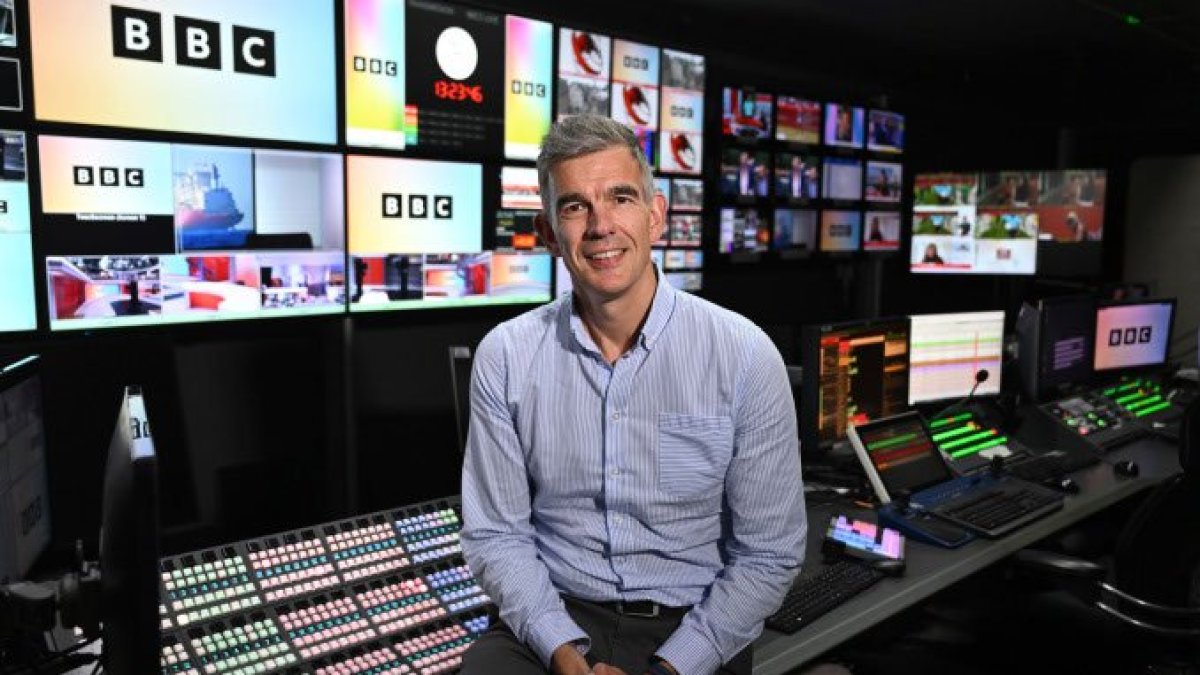
The BBC has drawn up plans to cut the cost of watching TV by £36 a year if the licence fee is replaced by a German-style household levy. Director-General Matt Brittin suggested the £180 annual charge could be cut by 20 per cent under a new funding system that would consign the licence fee to history. However, a mandatory levy would mean that the 2.5 million people who have cancelled their licences since 2020 must once again pay to fund the BBC. Ministers are also wary of any change that could be presented as a new “TV tax” by political opponents. Shorts How a household levy would work Ministers at the Department for Culture, Media and Sport are currently meeting with BBC leaders on a weekly basis in a bid to thrash out a new BBC Charter, which will include a reformed funding mechanism. One of the proposals being worked on by the BBC is for a household levy. Under this model, most UK adults would pay a monthly fee to support the BBC as a public service broadcaster, whether or not they watch the BBC, use its website or listen to its podcasts. Since a declining base of TV licence-payers – down 539,000 to 23.3 million households last year – would be replaced by a new charge covering nearly all UK households, the fee could be reduced across the board, the BBC has suggested. “You might be able to go from sort of £15 a month per household down to like £12,” DG Matt Brittin said at a recent media conference, raising the prospect of a 20 per cent cut compared to the current licence fee. A household levy could also help solve the BBC’s current funding crisis. It estimates that 80 per cent of households (and falling) are paying the licence fee, despite 94 per cent of the population using the BBC each week. The German inspiration Germany operates a similar system, called Rundfunkbeitrag. It requires all residents over 18 to pay an 18,36 Euro (£15.71) monthly fee to fund the country’s TV and radio equivalent of the BBC. Businesses also pay the charge. But there are exemptions for students, those on some unemployment and disability benefits, basic income pensioners and members of the military. Political representatives set the fee, which has been frozen for several years but is expected to rise in 2027. A UK version could be added to utility bills such as council tax and taken as a direct debit, monthly or quarterly. People over 75 claiming pension credit already get free BBC licences. Even with exemptions, a UK levy would potentially add some four million people to the numbers paying for the BBC, taking the total beyond the previous peak of 26.2 million licence fee payers in 2017. Ministers opposed to ‘new tax on households’ Culture Secretary Lisa Nandy has previously said: “We ruled out a new tax on households because of the cost of living crisis.” Paying for the BBC from general taxation would open the broadcaster to interference from the government of the day, she added. However, the BBC has continued to promote the levy, with other potential funding alternatives also running into opposition. A BBC source said: “It’s a decision the Government has to make soon. The outcome isn’t set until the ink is on the paper. The BBC has done work on the likely cost of a wide range of options including a levy.” A spokesperson for the public broadcaster added: “Matt’s comments are based on the fact that if all households pay, rather than 80 per cent, some form of discounted price would be possible.” Brittin also told MPs earlier this year a household levy would save the BBC nearly £200m a year on the current costs of collecting the licence fee. He added this funding model would allow the government to “make calls on [lowering costs] for lower-income households or younger viewers, which I think is all quite appealing”. Streaming ‘surcharge’ could top up BBC income Commercial rivals have opposed suggestions that the BBC should be allowed to run adverts in the middle – like ITV or Channel 4 – since it would wipe out their business. Nandy has also ruled out charging a levy on subscriptions to streaming platforms like Netflix and Disney to pay for the BBC. This could deter those companies from investing in UK productions, she said. Another idea touted is a Netflix-style subscription. But the BBC said this would force the broadcaster to cut public service genres like news and education, which US streamers aren’t obliged to provide. But Nandy has suggested charging a smaller levy or “surcharge” for households that only watch commercial streaming services and rarely consume BBC content could be a solution. This would be justified on that basis that many programmes on those services are either licensed from the BBC or made with talent developed by the BBC. Ministers are expected to publish a White Paper on the new BBC Charter, setting out the principles of a new funding mechanism, later this year. A public consultation will follow, with any major changes set in train by the end of 2027, when the current Charter expires.
Inside the BBC’s plan to cut your licence fee by £36
Full Article
Original Source
Read the full article at Inews →KhanList aggregates and links to publicly available news content. We do not host full articles from third-party sources. Always verify important information with original sources.