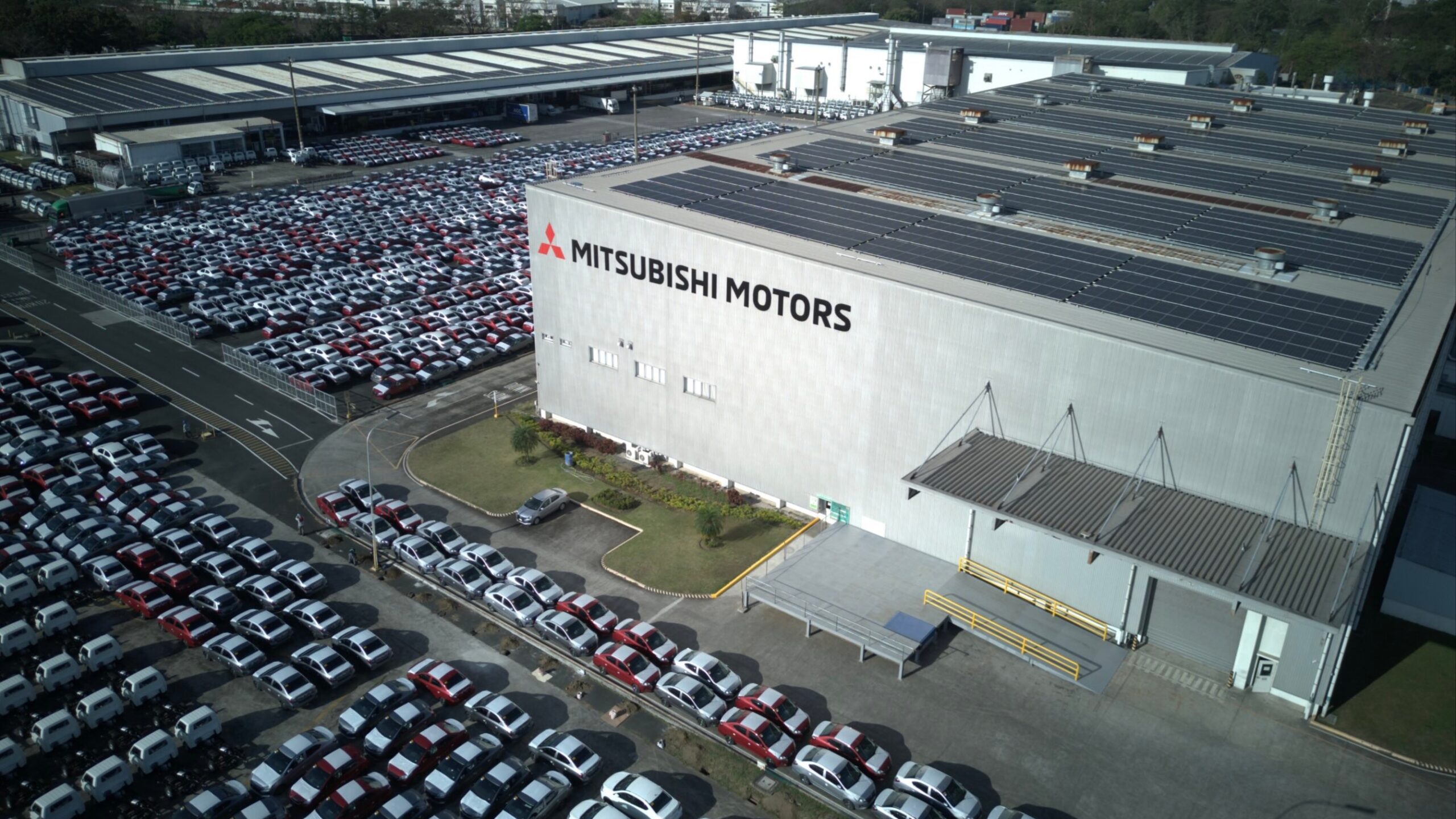
MANILA, Philippines – Why would Mitsubishi Motors pour P7 billion into making hybrid vehicles in the Philippines, when it is still much cheaper to build cars in neighboring Thailand or Indonesia? For the Japanese automaker, the answer is partly that it has been here too long, and the Philippine market matters too much, to pass on local manufacturing. “This country is very special, very important, and we’d like to commit to this nation for a long time,” Mitsubishi Motors Philippines Corporation (MMPC) chairman Noriaki Hirakata told reporters on Monday, August 10. So, Mitsubishi is making another bet on its Sta. Rosa plant. By 2028, it wants to build hybrid models locally, assemble its battery pack in the Philippines, and gradually bring more work to Filipino suppliers. Pilot production could begin around mid-2027. “We promised we’ll assemble the battery in Philippines and we will try to localize this product as much as possible,” Hirakata said. That does not mean Mitsubishi will immediately have a fully local battery supply chain. The battery components will initially still be made abroad and brought into the Philippines for assembly, while Hirakata said battery-pack assembly itself would make up only a small part of the overall P7-billion investment. Still, the ambition goes beyond adding a locally made model to Mitsubishi’s Philippine lineup. The company sees room to expand production further and even send Philippine-made hybrids to developing overseas markets. Why Mitsubishi asked for the government’s help The bigger obstacle now is scale. Toyota and Mitsubishi together produce slightly fewer than 100,000 vehicles annually in the Philippines, Hirakata said, less than a tenth of the more than 1.5 million units each in Thailand and Indonesia. “[The] Philippine plant is not that cost-competitive yet because we don’t have economies of scale,” Hirakata said. Mitsubishi brought that problem directly to government. Hirakata said Mitsubishi Motors president and CEO Takao Kato met President Ferdinand Marcos Jr. in early April and signaled the company’s readiness to join a planned EV incentive program. VALUABLE. MMPC chairman Noriaki Hirakata points out that the Philippines tops Mitsubishi Motors’ list of priority countries, given its high brand value. Photo by Lance Spencer Yu/Rappler. Discussions later became more detailed with Finance Secretary Frederick Go, with Mitsubishi arguing that subsidies were needed to narrow the cost gap with Indonesia. Hirakata said Go “took our request very seriously,” linking those talks to the eventual Electric Vehicle Incentive Strategy (EVIS). Under the program, automakers must invest at least P5 billion and meet production requirements to qualify for incentives. Mitsubishi’s entire P7-billion commitment is tied to EVIS. But the government also wanted more than basic knockdown assembly. As such, Mitsubishi committed to bring in newer production technology, assemble battery packs locally, and gradually source more components from Philippine suppliers, although battery components will initially still be manufactured abroad. “We want our plant to be competitive compared with other plants in Asia, even in Japan,” Hirakata said. Mitsubishi has been here before. Hirakata credited the earlier Comprehensive Automotive Resurgence Strategy (CARS) program with helping keep both Mitsubishi and Toyota manufacturing locally. “If there’s no CARS program, Toyota nor Mitsubishi couldn’t maintain this plant,” he said, adding that EVIS discussions have been smoother because government already has experience administering an automotive incentive program. A late challenge to BYD? By the time Mitsubishi begins local hybrid production in 2028, it will also face competitors that have spent years fortifying their electric vehicle businesses in the Philippines. Hirakata acknowledged that some customers have already gone to BYD, but argued Mitsubishi’s six-decade presence gives it something newer entrants cannot quickly reproduce. “There are certain customers already to BYD,” he said, but added that many Filipinos continue asking Mitsubishi when its hybrids will arrive. “I don’t believe BYD established the brand over only one or two years,” Hirakata said. Mitsubishi is effectively betting that brand loyalty and its existing customer base can buy it time despite entering the race later than some rivals. The company is targeting around 20% market share this year and at least 25% over the medium term. Bigger plant, possible exports The 23-hectare Sta. Rosa facility currently has an annual capacity of 50,000 vehicles and is already operating at around 80% to 90% capacity, or roughly 40,000 to 45,000 vehicles a year. It currently manufactures Mitsubishi’s Mirage G4 and L300 models. Hybrid production will need additional capacity. Hirakata said 70,000 units could be the next step, depending on demand, while the project could initially require another 300 to 500 engineers at the plant. Mitsubishi is also exploring exports of the Philippine-made hybrid, with Hirakata saying the company does not intend to limit potential shipments to ASEAN. Subject to safety and emissions requirements, he said the vehicle could eventually be sold in other developing markets, including the Middle East, Latin America, and Africa. “We are seeking for the export opportunity of this newly produced hybrid vehicle,” Hirakata told reporters. “By exporting vehicles form the Philippines, we can improve the trade balance of the nation.” – Rappler.com
Inside Mitsubishi’s long-term P7-B bet on PH-made hybrid vehicles
Full Article
Original Source
Read the full article at Rappler →KhanList aggregates and links to publicly available news content. We do not host full articles from third-party sources. Always verify important information with original sources.