
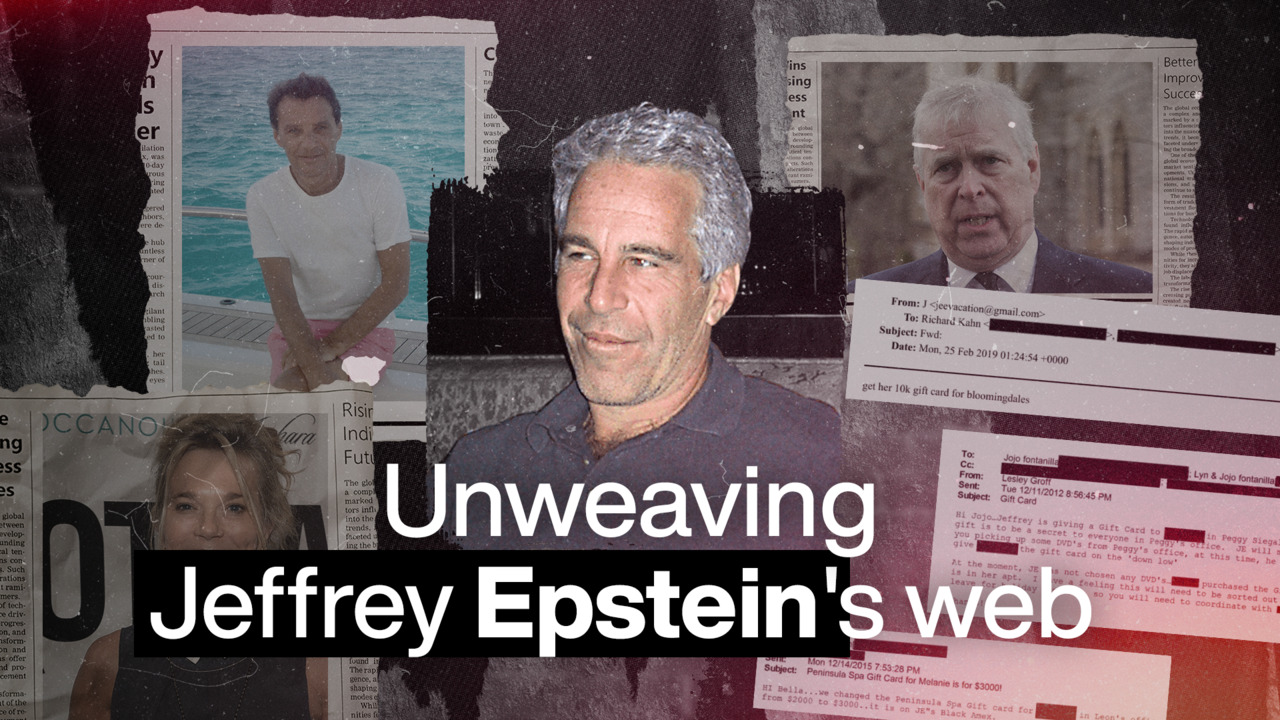
Whether he was offering associates $10,000 Bloomingdales gift cards, funding a hospital or pulling strings to get a student admitted to a prestigious university, favours were at the centre of Jeffrey Epstein’s strategy. Declassified emails reveal a pattern of gifts to lawyers, financiers, doctors and academics. He also funded numerous powerful institutions, including universities and hospitals. A February 2026 New York Times report revealed that Epstein invested large sums of money in the research projects and foundations of several American doctors. These same doctors reportedly agreed to treat not only Epstein, but also his victims. Care ranged from dental appointments to pelvic exams, some of which were even performed in Epstein’s homes. In one case, a doctor placed 35 stitches in a victim’s forehead–on Epstein’s dining room table. Some of the recipients of Epstein's favours claim his help was unsolicited, however. A Bloomberg investigation showed that in 2017, Epstein appeared to have used his influence to help Ariane de Rothschild’s daughter, Alice, get accepted into New York University, despite concerns about her SAT scores. When contacted by our journalists, a spokesperson for the Rothschild family told France 24 that Alice could not be held responsible for what she said were Epstein’s unilateral actions. Bloomberg's report suggests that Epstein sought to expand his influence by finding ways to push the boundaries of the relationships he had established with the people around him: funding his lawyer’s IVF treatment over several years, helping a client conceal an extra-marital affair or secretly advising government officials on confidential documents. Caught in the grips of this well-oiled machine were his victims – women and girls, who were recruited by Epstein and, in some cases, introduced to powerful men. “New one for you,” Epstein wrote to a man in 2013. “What character would you like next?" he asked another. Epstein’s years-long sex-trafficking operation couldn’t have lasted as long as it did without the help of his employees. Some were tasked with recruiting victims through fake modeling agencies or by lurking outside high schools in disadvantaged neighbourhoods. Others managed the financial structures underpinning Epstein’s activities. A November 2025 Wall Street Journal investigation examined the roles of his accountant, Richard Kahn, and lawyer, Darren Indyke, in managing his numerous business entities. “Both explained away the suspicious transactions in Epstein's accounts when banks would ask him questions,” explained WSJ investigative journalist Khadeeja Safdar. Safdar and other experts spoke to FRANCE 24 journalists Samia Metheni and Ava Luquet about how Epstein managed to keep his network running for years, despite facing allegations of sexual abuse of minors. Watch our full video to understand how these connections worked, as well as the people and the systems behind them.
Inside Jeffrey Epstein's network: How favours, money and influence kept it running
Full Article
Original Source
Read the full article at France24 →KhanList aggregates and links to publicly available news content. We do not host full articles from third-party sources. Always verify important information with original sources.