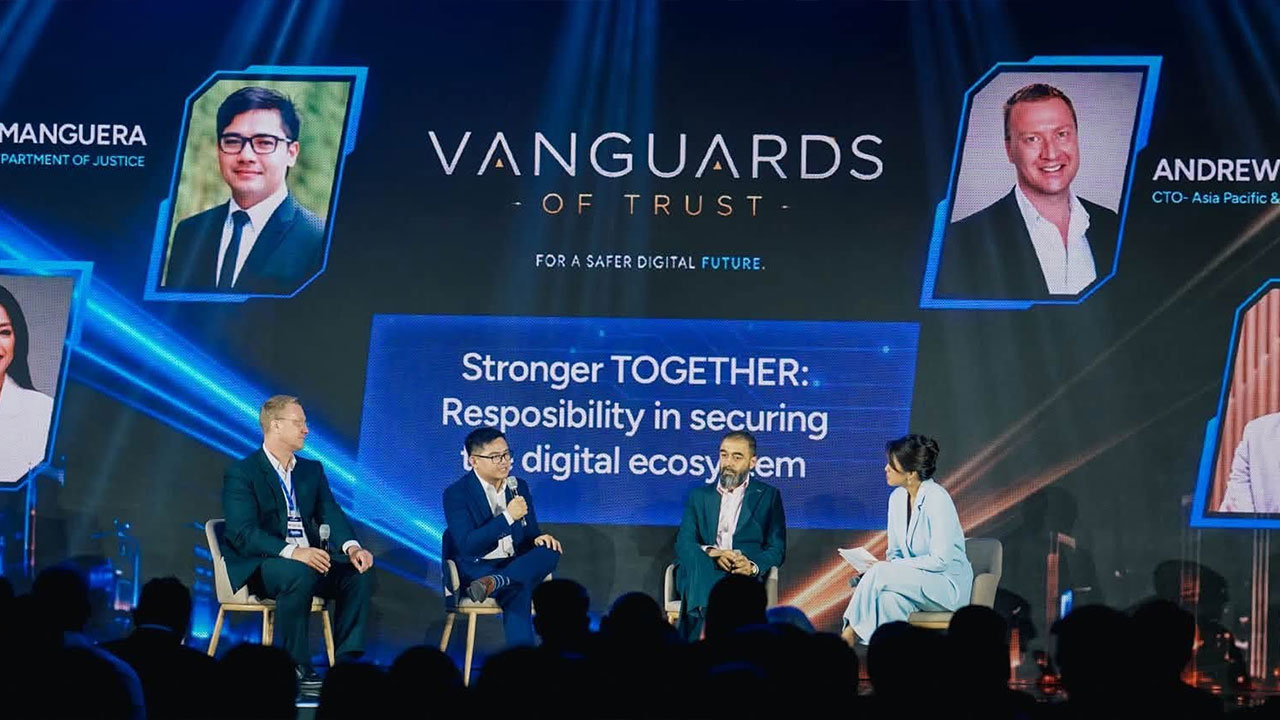
As AI becomes central to cybersecurity, GSafe explores what it takes to keep digital services safe and trusted Editor’s note: This content is sponsored by GCash and was produced by BrandRap, the sales and marketing arm of Rappler. No member of the news and editorial team participated in the production of this piece. There was a time when it felt relatively easy to figure out whether something online was real. Today, a photo can be generated in seconds, a person’s voice can be cloned, and a video can show someone saying something they never said. As AI becomes more integrated in people’s lives, it is also making online deception more sophisticated and difficult to recognize. For the people building the platforms we use every day, the question is: how do you continue to innovate while protecting the trust of the people you are building for? This question was a core focus during GSafe by GCash, the brand’s first-ever cybersecurity and anti-fraud summit, gathering leaders, experts, and policymakers to discuss everyone’s role in keeping our digital ecosystem safe. “GCash continuously strengthens its security through AI-driven threat detection, real-time monitoring, stronger authentication, and close collaboration with government and industry partners. Our goal is to stay ahead of emerging threats while keeping digital financial services safe and accessible for every Filipino,” said Miguel Geronilla, chief information security officer at Mynt, the parent company of GCash. Staying ahead begins long before a security issue emerges. It requires risk and reliability to be considered while a product or feature is still being developed. Pebbles Sy, chief technology and operations officer of Mynt, described this approach as “shifting left” — an industry term for bringing security, risk, and operations into the earliest stages of the design process. It changes how innovation is evaluated. A new feature must do more than introduce another capability, as it must solve a real problem for Filipinos in a way that is safe and simple. This becomes particularly important as GCash moves from building digital features to developing intelligent systems that can respond to people’s real-life needs. AI may support faster and more informed decisions, but Sy emphasized that humans must remain accountable for the outcome. “For us, responsible AI comes down to one core philosophy. AI supports the decision, but humans own the outcome. Or, as we say, it is humans who should be in the lead,” Sy said. Keeping people accountable is one part of preserving digital trust. Another is recognizing that no single company can secure the digital economy on its own. It must be a team effort among tech companies, government agencies, regulators, and users to exchange knowledge and direct AI in the direction we want it to go. Mynt president and CEO Martha Sazon connected this collaboration to the company’s larger goal of helping Filipinos make better financial decisions, whether they are saving, borrowing, investing, or growing a business. As the technology supporting these activities becomes more advanced, the standards for governance and human judgment must keep pace. “We need to shift from ‘What technology can do?’ to ‘How can technology create a meaningful impact for people?’ At GCash, this is one of the questions that continues to guide us,” Sazon said. “We want to help Filipinos make better financial decisions every day – whether that’s saving for the future, borrowing responsibly, growing their business, or investing with confidence. Because the next chapter of financial inclusion is not just about expanding access – it is about helping Filipinos make real financial progress,” Sazon added. The conversations at GSafe showed that digital security extends beyond the technical work happening behind a screen. It falls into the hands of the people designing technology, the institutions creating safeguards around it, and the communities learning how to navigate it. As AI changes both the services people use and the threats they face, protecting digital trust will require these groups to keep learning and building together. – Rappler.com How does this make you feel? Loading
Inside GSafe: How GCash is building a community behind digital trust
Full Article
Original Source
Read the full article at Rappler →KhanList aggregates and links to publicly available news content. We do not host full articles from third-party sources. Always verify important information with original sources.