
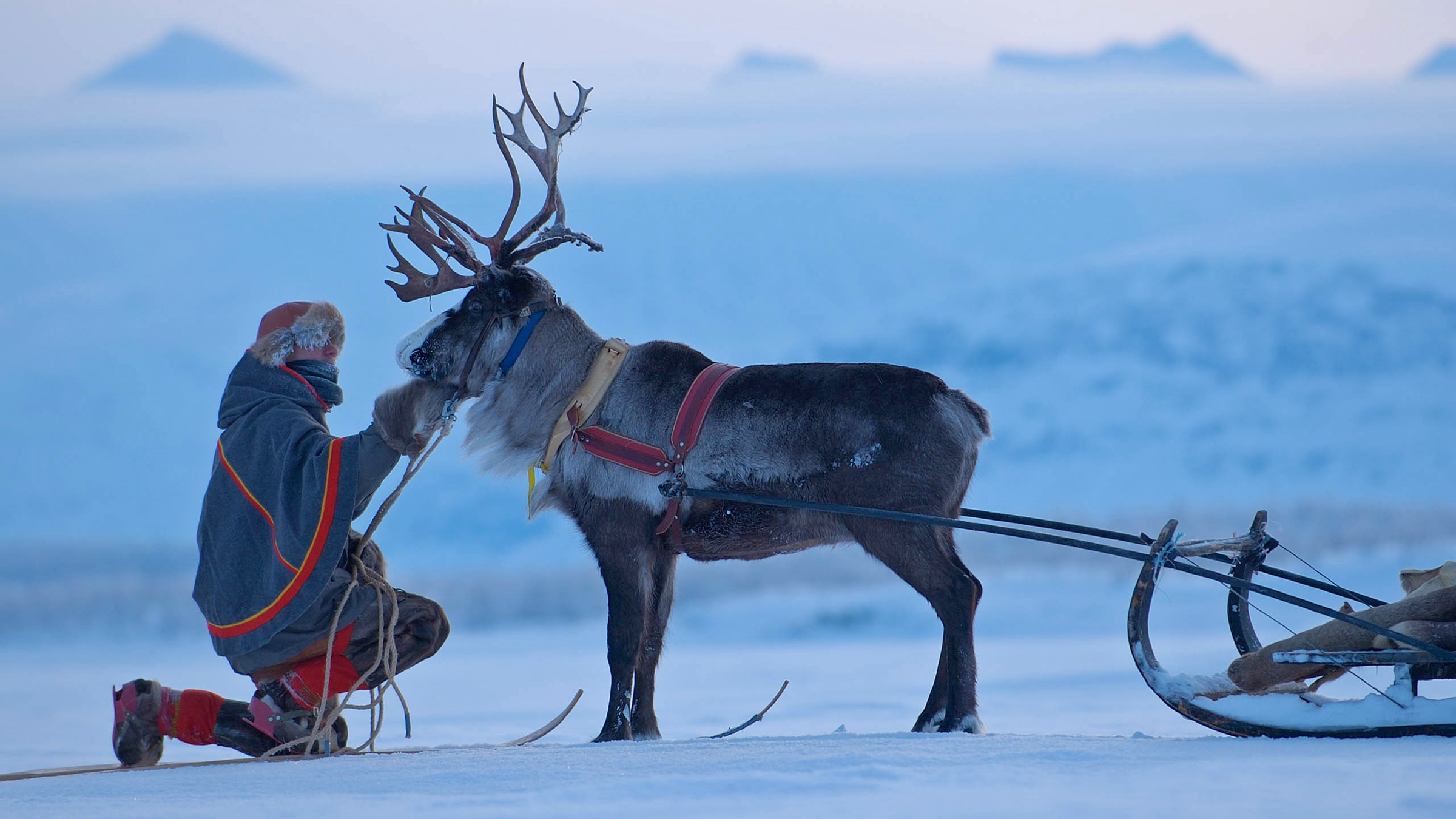
At the 2026 U.N. Biodiversity Conference in Armenia (COP17), Indigenous peoples and local communities strengthened their role in the decision-making of the Convention on Biological Diversity (CBD), with the full operationalization of a subsidiary body within the treaty. The Subsidiary body on Article 8(j) (SB8J) was historically created at the 2025 biodiversity summit in Colombia. It allows Indigenous peoples and local communities (IP&LCs) to advise parties, draft decision texts and handle tasks assigned to them, such as developing guidelines for the implementation of global conservation goals with the full participation of IP&LCs. “We celebrate this historic adoption,” said Jennifer Corpuz, a negotiator for the International Indigenous Forum on Biodiversity (IIFB), during the closing session. “With this decision, we strengthen the inclusivity of SB8J, which further enables rights-based implementation of the CBD.” While the subsidiary body was created in 2025, delegates at COP17 discussed what its full operationalization would mean, such as specifying its function, governance structure, budget, and when it would have meetings. One of the biggest sticking points throughout the two weeks of discussions, revolved around who gets to represent IP&LCs in the body and how that representation must be organized. This included the composition of the co-chairs, who lead the body’s meetings, and friends of the Bureau, additional representatives who help the body’s leadership carry out its work. One disagreement during the meetings was whether the representatives of the subsidiary body should be from among the five U.N. regional groups (which are groupings of countries) or from the seven sociocultural regions (which capture the diversity of Indigenous peoples like the Sámi, Inuit and many Pacific peoples who don’t neatly fit into state-based blocs), and if they should be from organizations operating in the countries of these communities. Parties ultimately agreed to compromise and stick to representation among organizations in the countries of IP&LCs and remove mention of the seven sociocultural regions. “Our willingness to compromise should not be mistaken for an absence of principles,” said a spokesperson for Canada at the closing meeting. “Canada must express its profound disappointment with the inclusion of the language referring to ‘in the countries of the IPLC.'” During the closing session, Corpuz said that while IP&LC negotiators regret that the seven sociocultural regions are not explicitly recognized, they believe that the modus operandi “gives us the basis to use our own governance systems, including the seven social cultural regions.” At the summit, the subsidiary body also worked on guidelines for the full participation of IP&LCs in meeting the 30 by 30 nature restoration goals. They also worked on the process to update terms relevant to Article 8(j), a provision of the CBD, which deals with traditional knowledge, practices and equitable benefit-sharing. Article 8(j) has a large program of work including 12 tasks assigned to the subsidiary body. The next meeting revolving around the body will take place from Nov. 18-20, 2026, in Nepal. Banner image: A member of the Sámi Indigenous people tends a reindeer in Sweden. Image by Staffan Widstrand/Rewilding Europe. Credits Topics
Indigenous peoples and local communities solidify decision-making powers at COP17
Full Article
Original Source
Read the full article at News →KhanList aggregates and links to publicly available news content. We do not host full articles from third-party sources. Always verify important information with original sources.