
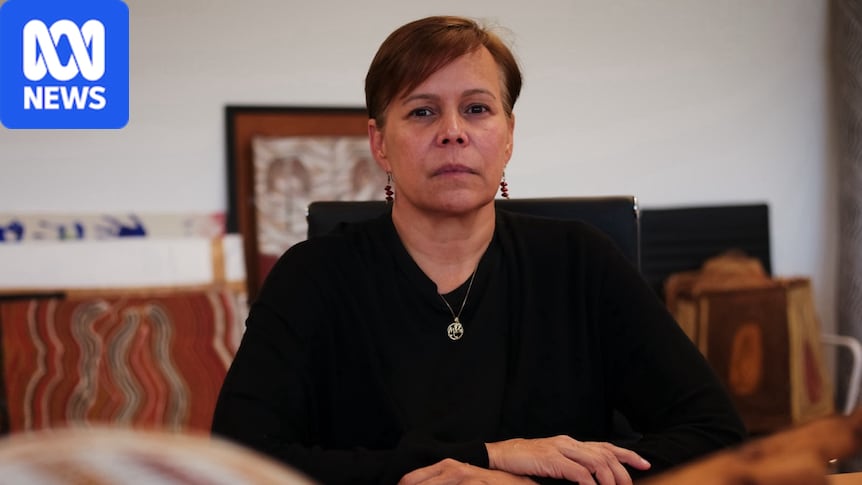
The Northern Territory is considering further child protection changes that would limit judicial oversight of care arrangements and give child protection workers the ability to issue domestic violence orders, the ABC can reveal.Other proposals, outlined in a consultation paper, include moves to establish a pathway for the permanent adoption of children in care.Indigenous groups told the ABC they hold grave fears the changes will make family reunifications for Aboriginal families in the out-of-home care system more difficult.The paper outlined "several possible reform options" for stakeholder feedback but said these were not settled government policy.They included:removing the courts' ability to make orders requiring the Department of Children and Families (DCF) to facilitate family contact, visits to community and kinship assessments;preventing family from proposing an alternative carer for their child in court proceedings, leaving that solely to DCF;lowering the threshold for courts to grant long-term parental responsibility to non-family or non-kinship carers;allowing DCF child protection workers to issue interim Domestic Violence Orders, a power currently held only by police; andestablishing a specific pathway for permanent carers to apply to adopt a child after a minimum period of time.Several organisations told the ABC they only received the consultation paper on Tuesday, with a deadline for response by Sunday.The DCF's acting CEO Karen Broadfoot told the ABC targeted consultation was underway on potential reforms, including with stakeholders who bring specialist knowledge and cultural expertise."The consultation process provides the appropriate forum for stakeholders to raise concerns about the proposed reforms, which we will carefully consider as we determine whether and how any legislative changes progress," she said in a statement.Minister Robyn Cahill says the first tranche of reforms made child safety the 'front and centre principle'. (ABC News: Michael Franchi)Limiting judicial powersThe DCF paper said courts were currently making broad orders directing DCF to do things which were "impractical, and impose significant logistical, human and financial resource burdens on DCF".It gave examples of court orders requiring DCF to ensure children have regular visits with their parents or their grandparents, fund a child's travel to their home community or order particular kinship assessments.Cindy Torrens, a Warlmanpa and Wambaya woman, said these orders were "really critical when we're needing to think about keeping kids connected to family".The DCF paper suggested removing or limiting these powers, so that courts would only be able to make directions about services and supports for the child, but not their placement or contact arrangements.The paper also suggested changes so that only DCF, and not family, could propose to the court which person should be given daily care and control or parental responsibility for the child."Restricting the ability to formally put forward alternative carers in child protection proceedings further limits options for families to keep kids within their family groups," Ms Torrens said."You're taking Aboriginal kids away from the people who love them and putting them with people who've got no biological connection to them."The paper also proposed lowering the threshold for courts to grant long-term parental responsibility to non-family or non-kinship carers.It said courts have interpreted the law to mean they should only grant this when they are satisfied "there would never be a time when a parent would be better suited to exercise parental responsibility". Instead, it suggested this test be lowered so courts only need to be satisfied "there is no other person better suited to exercise that responsibility at the time".Ms Torrens said such a change would create enormous pressure on parents hoping to be reunited with their children."Keeping kids for Aboriginal families feels like it's going to be almost impossible with these changes and I think that's the whole plan, the whole idea," she said."Even more frightening … is that we know that the government isn't set up for these changes."So [they're] taking kids away from family and putting them into a system that's not established, not culturally safe, not ready for them."Caitlin Wetherby-Fell says the government has not allowed enough time for meaningful consultation. (ABC RN: Kristina Kukolja)'Significant expansion of power'Authorised child protection officers would be given the power to issue interim domestic violence orders (DVOs), similar to those issued by police, according to one option put forward.The DCF acknowledged this would represent a "significant expansion of power … including the ability to impose immediate restrictions on a person without a court order first being made".Caitlin Weatherby-Fell, CEO of the Top End Women's Legal Service, said child protection workers were not adequately trained to make these assessments."Our fear here is that introducing another player to make a DVO is going to overburden our court system and be contrary to victim survivors' needs and wants," she said."We have presentations every day where police have taken out a DVO and it is not right for that family … and the restrictions within it mean that the family unit is unworkable."She said the changes could also make it harder for victims of domestic violence to seek help."We have real fears that parents, and particularly mothers impacted by gender-based violence, will be even more reticent [to come forward] and increasingly distrustful of authorities."Clara Mills is concerned adoption changes could permanently break up Aboriginal families. (Supplied)The DCF has also flagged changes to the territory's Adoption of Children Act.It would establish a specific pathway for permanent carers to apply to adopt children who are "unable to safely return to the care of their birth parents".The paper said a birth parent would need to consent to the adoption "unless that consent is dispensed with by the court under the existing provisions of the Act."Clara Mills, principal lawyer at the North Australian Aboriginal Family Legal Service, said she feared it could lead to children in care being adopted against the will of their families."How is the court going to test whether a parent can reasonably consent when they've been excluded from their child in totality through the child protection system?" she asked.She said such an outcome would be a "national shame" and cause intergenerational harm.More than 800 children were in out-of-home care in the Northern Territory as of June 2025, about 90 per cent of whom are Indigenous.Less than 18 per cent of those Indigenous children were placed with relatives or kin, according to an analysis by First Nations children's peak body SNAICC.The NT government passed the first tranche of child protection changes in July, leading to an outcry from Indigenous groups and several high-profile resignations.Ms Broadfoot says the government was committed to keeping children safe and strengthening the laws that protect them."The options being considered have been identified through reviews underway since 2025, including issues raised through stakeholder submissions and operational experience," she said."The consultation papers do not represent final government policy or legislative changes."
Indigenous groups alarmed as NT flags fresh child protection overhaul
Full Article
Original Source
Read the full article at Abc →KhanList aggregates and links to publicly available news content. We do not host full articles from third-party sources. Always verify important information with original sources.