
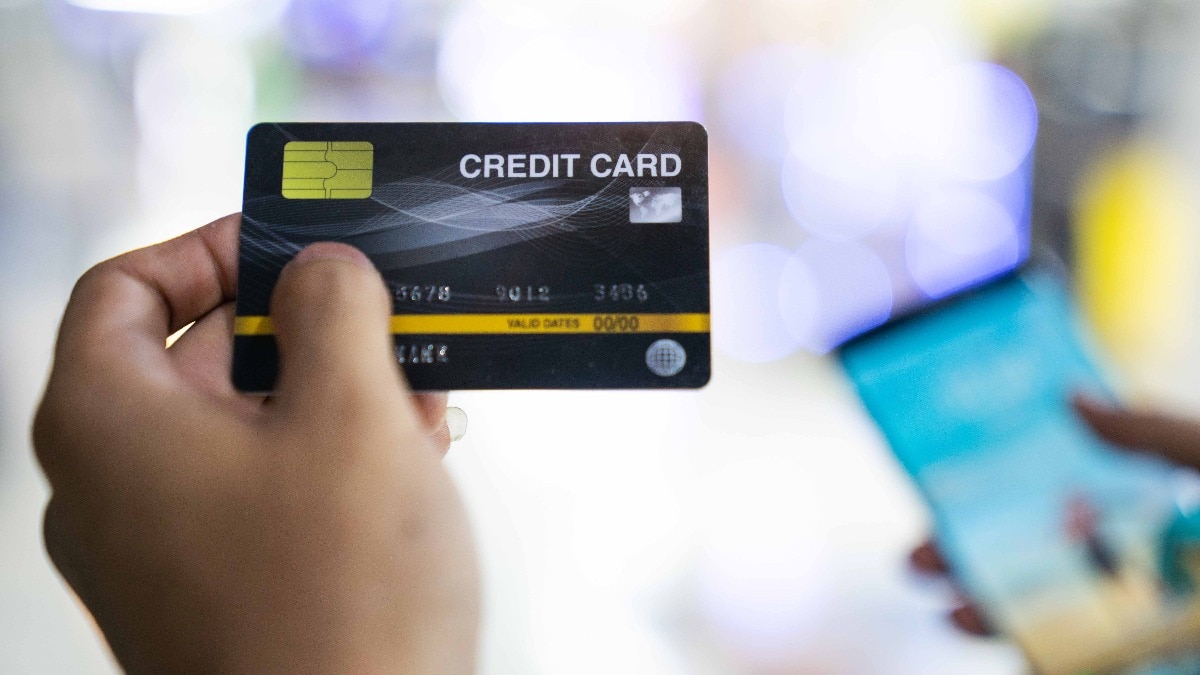
Remember the days when a trip to the ATM was part of the monthly routine? Whether it was shopping for groceries, paying the restaurant bill or buying something for the home, having enough cash in the wallet was essential. But that habit is slowly changing.Today, a quick credit card swipe or tap is often all it takes to pay for a purchase. And the latest Reserve Bank of India (RBI) data offers an interesting sign of this shift. For the first time in the reported monthly series since November 2019, the value of credit card transactions in India has exceeded the amount of cash withdrawn from ATMs in a month.In October 2026, credit card transactions stood at Rs 2.45 lakh crore, compared with ATM cash withdrawals of Rs 2.34 lakh crore. The difference was nearly Rs 10,765 crore, marking a notable change in how Indians are choosing to spend their money.So, what is driving this shift? Is cash slowly losing its place in Indian households, or are consumers simply finding more convenient ways to pay? FROM ATM QUEUES TO CARD SWIPES: WHAT'S CHANGING?The RBI's Payment System Indicators show that credit card transactions were worth Rs 2,44,988 crore in October 2026, higher than the Rs 2,34,223 crore withdrawn from ATMs during the month.The change becomes more interesting when compared with September. Credit card spending stood at Rs 2,03,938 crore that month, while ATM withdrawals were higher at Rs 2,20,378 crore. This suggests that consumers are increasingly comfortable using cards for purchases that were once paid for in cash. Shopping, dining out, travel bookings and online purchases are among the expenses where credit cards have become a popular payment option.Adhil Shetty, CEO of BankBazaar, said the numbers reflect two shifts in consumer behaviour. UPI has increasingly replaced debit cards and cash for everyday purchases, while credit cards are finding wider acceptance among consumers for different kinds of spending."For a growing number of Indians, digital payments, rather than cash, are now the default way to spend," he said.The convenience of digital payments is also visible in the wider RBI data. UPI transactions rose to Rs 31.53 lakh crore in October 2026, compared with Rs 29.37 lakh crore in September. Mobile app-based payments also increased to Rs 43.19 lakh crore from Rs 39.78 lakh crore over the same period.Together, these numbers show how digital payment options are becoming a bigger part of everyday financial transactions.REWARDS, CASHBACK AND EASY CREDIT MAKE CARDS ATTRACTIVESo, why are consumers using credit cards more often? The answer goes beyond cashback and reward points.Credit cards offer convenience, an interest-free period and the option to spread the cost of certain purchases through EMIs. For consumers who pay their bills in full, the interest-free period can allow them to hold on to their money until the payment due date.Shetty said the expansion of card issuance and merchant acceptance has helped drive spending. Festive demand also added momentum in October, with credit card spends rising by about 20% compared with September."Beyond offers, the core benefits drive usage: an interest-free period of 30–45 days, money staying in your bank account until the bill is due, and easier resolution if something goes wrong," he said.No-cost EMI options have also encouraged their use for planned purchases. Linking credit cards to UPI has further made them useful for everyday transactions.However, the growing use of credit cards also raises an important question: are consumers becoming too comfortable spending money they have not yet earned?Shetty said the way a card is used makes all the difference. For someone who pays the entire bill every month, a credit card is primarily a payment tool rather than a loan.But he cautioned consumers against treating their credit limit as additional income. Unpaid balances can attract interest of around 3% a month, making it important to spend within one's repayment capacity.Aakash Bansal, Co-Founder and CEO of MIDASX, said the growing comfort with formal credit reflects greater financial inclusion and changing consumption patterns."Yes, consumers are becoming more comfortable accessing and using formal credit, reflecting greater financial inclusion and evolving consumption patterns," he said.However, he believes access to credit must go hand in hand with financial awareness. Maintaining an emergency fund, managing repayments and investing regularly are important for households looking to build long-term financial security.IS INDIA MOVING TOWARDS A LESS-CASH ECONOMY?The credit card crossover is one part of a much bigger change. UPI, in particular, has made digital payments accessible for purchases of all sizes, from a cup of tea to household shopping. Consumers no longer need a credit or debit card to avoid using cash.Shetty believes UPI is the biggest force behind India's shift towards digital payments. He also pointed to a nearly 7% year-on-year fall in ATM withdrawals in October as another indication of changing payment habits.But cash is unlikely to disappear anytime soon.It continues to be useful for small-ticket purchases, particularly in smaller towns and rural areas. Some consumers are still getting comfortable with digital payments, while patchy internet connectivity can make cash a necessary fallback.Credit cards, too, are not yet a payment option for everyone. Shetty noted that they are held by a relatively small section of consumers and remain an aspirational product for many. He expects more people to get credit cards over the next five years, but believes the shift will happen gradually.Bansal sees the move towards digital payments as an opportunity to bring more Indians into the formal financial system."India is steadily moving towards a less-cash economy, supported by UPI and the growing adoption of digital payments," he said.He added that the larger opportunity lies in making savings, investment products and wealth management solutions more accessible to people across the country.India's relationship with cash, then, is changing rather than ending. The wallet may be getting lighter, but cash still has a place in everyday life. What is changing is the number of ways people can pay.The real test of this digital shift will not simply be how many people stop visiting ATMs. It will be whether consumers can enjoy the convenience of cards and digital payments without losing control of their spending. After all, a tap or a swipe may make paying easier, but it does not make the bill any smaller.- Ends
India's love affair with cash is fading: Why are more people swiping credit cards?
Full Article
Original Source
Read the full article at Indiatoday →KhanList aggregates and links to publicly available news content. We do not host full articles from third-party sources. Always verify important information with original sources.