
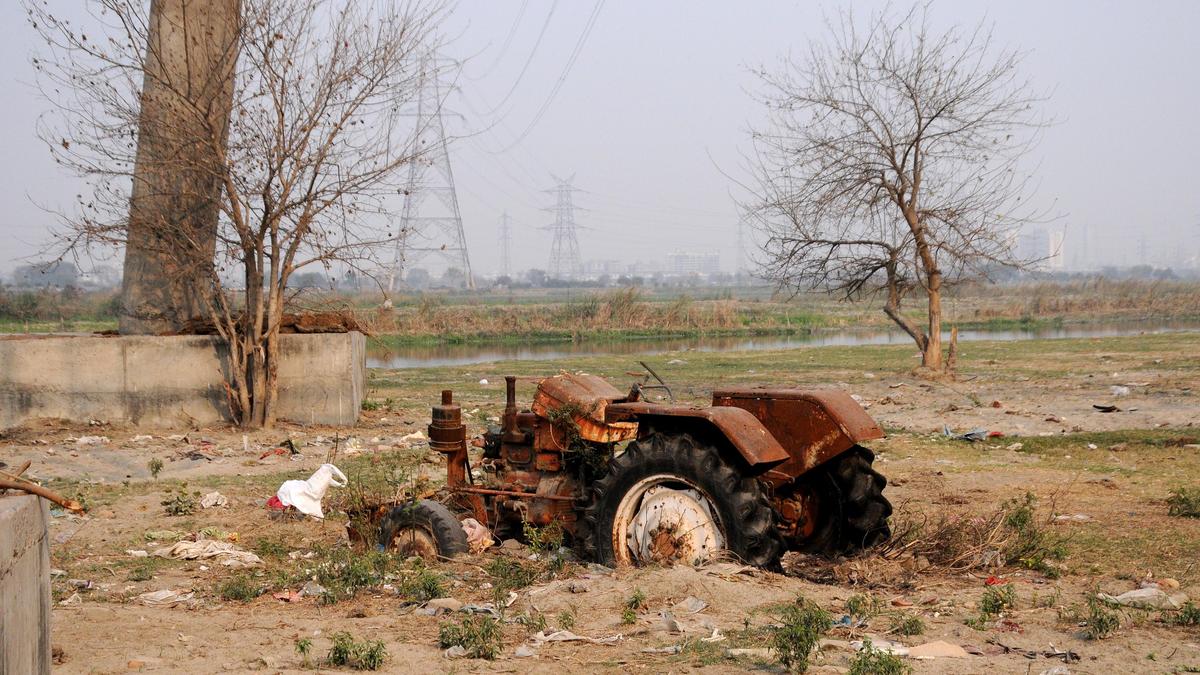
File image of the flood plain of Yamuna River (near to the site, which was used during the World Culture Festival 2016, organized by the Art of Living Foundation), in New Delhi. | Photo Credit: Shanker Chakravarty On August 22 the Supreme Court set aside the National Green Tribunal’s judgment of December 2017, which had held the organisers of the World Culture Festival responsible for damage to the Yamuna floodplain. The festival ran from March 11 to 13, 2016, on 25 hectares of active floodplain upstream of the DND flyway in Delhi, on land allotted by the Delhi Development Authority, which holds that floodplain in trust for the public. The appellant was Vyakti Vikas Kendra India, which runs the Art of Living International Centre. The Authority must now refund the ₹5 crore the organisers deposited as environmental compensation.The proposition on which the judgment rests deserves defending. The polluter pays principle presupposes a polluter. Liability for ecological harm must attach to the party to whom that harm is attributable, and not to whoever happens to be in occupation when the reckoning is finally attempted. A doctrine that operates without attribution forfeits the moral authority on which its severity depends. The difficulty lies in what the reasoning does with uncertainty, and that difficulty will outlive this case. Published - November 16, 2026 12:53 am IST
India’s green law needs baselines, not snapshots
Full Article
Original Source
Read the full article at Thehindu →KhanList aggregates and links to publicly available news content. We do not host full articles from third-party sources. Always verify important information with original sources.