
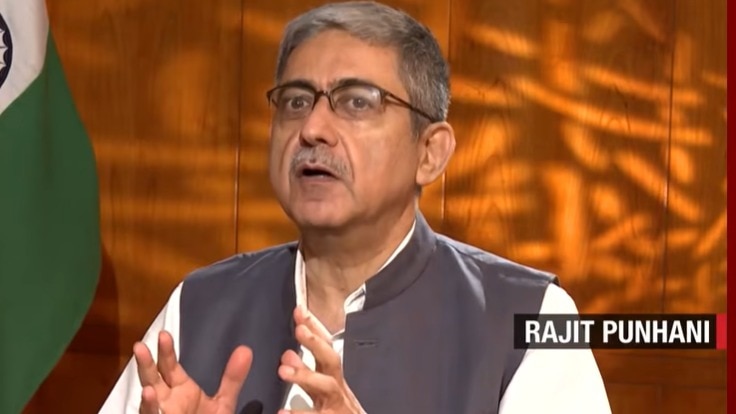
As modern food habits change what Indians eat and when they eat it, FSSAI is turning attention back to traditional Indian meals. CEO Rajit Punhani discusses how the idea of the Eat Right Thali can help people rethink everyday food choices.FSSAI CEO speaking to India Today about eating right and traditional Indian food habits.For years, three meals a day – breakfast, lunch and dinner – have been treated as a normal part of daily life. But what if this was not always the way Indians traditionally ate?Food Safety and Standards Authority of India (FSSAI) CEO Rajit Punhani, while discussing eating habits with India Today the idea of an Indian thali, pointed towards the difference between traditional Indian food practices and modern eating patterns.The discussion comes at a time when packaged and processed foods have become a regular part of everyday meals, including breakfast. FSSAI's larger Eat Right India movement focusses on helping people make healthier and safer food choices through a combination of regulation, awareness and consumer empowerment.TWO MEALS AND TRADITIONAL INDIAN EATINGAccording to Punhani, traditional Indian eating patterns were different from the way many people eat today. He pointed to the idea that Indian tradition did not necessarily revolve around three fixed meals every day, with two meals being a more traditional pattern. His comments bring attention to how food habits have changed over time. Today, breakfast is often treated as an essential meal and packaged foods are frequently marketed as convenient breakfast options.But traditional Indian diets were largely built around locally available foods and meals that were prepared at home. The idea is not simply about counting meals. It is also about looking at what goes into those meals and how food habits have changed with modern lifestyles.WHAT IS THE EAT RIGHT THALI?FSSAI has developed the Eat Right Thali concept to encourage people to look at traditional Indian meals as part of healthier eating.The initiative brings together regional food habits and traditional dishes from different parts of the country. FSSAI's Eat Right India platform lists the Eat Right Thali among its official resources.Instead of promoting one standard diet for everyone, the idea recognises that India's food habits are different across regions.What people eat in Punjab can be very different from what is commonly eaten in Tamil Nadu, Bengal, Rajasthan or the Northeast. Traditional Indian food already offers a wide variety of grains, pulses, vegetables, dairy products, spices and other locally available ingredients.THE PROBLEM WITH MODERN FOOD HABITSPunhani's comments also come against the backdrop of increasing dependence on packaged and processed foods.Many products are marketed as convenient breakfast or everyday food options. At the same time, consumers can find it difficult to understand whether a product is actually healthy because of the way food products are advertised and labelled.FSSAI is working on strengthening consumer awareness and food labelling so that people can make more informed decisions about what they buy and eat.The regulators Eat Right India initiative itself focuses on both healthy and safe eating, including awareness around balanced diets and foods high in fat, sugar and salt.GOING BACK TO THE THALIThe larger message from the discussion is that eating right does not necessarily mean following complicated diets or adopting food trends from other countries.For many Indians, healthier eating may also mean looking at the food traditions that already exist within their own communities.The Eat Right Thali approach puts this idea into a familiar format: a meal that reflects regional food choices rather than replacing them with one universal diet.As food habits continue to change, the bigger question may not simply be how many times Indians eat in a day, but what those meals contain and whether traditional, balanced food can find its place again on the everyday plate.FSSAI's approach is therefore not limited to regulation. Its Eat Right India movement combines regulatory measures with awareness and empowerment, with the broader aim of making healthier food choices easier for consumers.- EndsPublished By: Smarica PantPublished On: Sep 2, 2026 13:23 IST
Indian tradition advised two meals, not three a day: FSSAI CEO on eating right
Full Article
Original Source
Read the full article at Indiatoday →KhanList aggregates and links to publicly available news content. We do not host full articles from third-party sources. Always verify important information with original sources.