
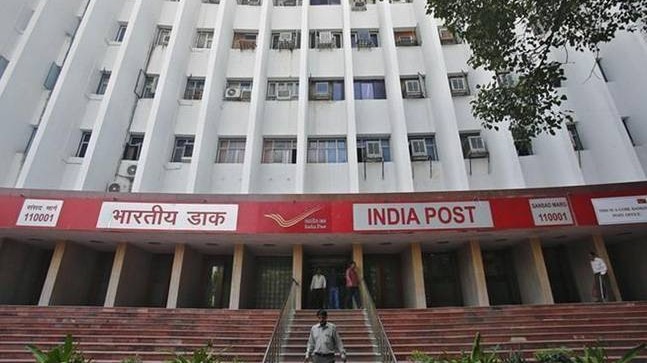
India Post has launched DigiPIN, a geo-coded system that assigns a unique digital code to small location grids. The added addressing layer is meant to improve deliveries, public services and emergency response without replacing PIN codes.India Post has introduced DigiPIN (Digital Postal Index Number), a new geo-coded addressing system designed to make locations easier to identify and improve the delivery of public and private services.Unlike the existing six-digit PIN code, which identifies a broader postal area, DigiPIN assigns a 10-character alphanumeric code to an approximately 4-metre by 4-metre grid. The system uses latitude and longitude to generate a digital location reference, allowing a particular spot to be identified with much greater precision.Importantly, DigiPIN does not replace the existing PIN code. Instead, India Post is developing it as an additional digital addressing layer that can work alongside conventional postal addresses and PIN codes.The system has been developed by the Department of Posts in collaboration with IIT Hyderabad and the National Remote Sensing Centre (NRSC), ISRO. India Post describes DigiPIN as an open-source national addressing grid that can provide a common location reference for government services, logistics and other applications. HOW IS DIGIPIN DIFFERENT FROM A PIN CODE?A conventional PIN code generally covers a larger geographical area such as a locality or group of neighbourhoods. DigiPIN, on the other hand, divides India's geographical area into small grids of approximately 4 metres by 4 metres and assigns each grid a unique code.This could be particularly useful in places where addresses are difficult to identify or are not formally structured. India Post says the system can also be used in rural and remote areas, as well as locations without traditional street addresses. The department also says DigiPIN is designed to work offline. Since the code is generated from geographical coordinates, an internet connection is not required to use the underlying addressing system once the location information is available.POTENTIAL USES IN DELIVERIES AND EMERGENCY SERVICESThe government sees DigiPIN as a way to improve the accuracy of location-based services. It can help logistics and e-commerce companies identify delivery locations more precisely, particularly where conventional addresses are unclear.The system could also have applications in emergency response, disaster management and government service delivery. A precise location reference can help agencies identify the location of a person, facility or government asset more accurately.India Post has said DigiPIN can also support digital KYC, welfare programme implementation and other location-based government services. Its technical documentation and source code have been made available in the public domain to allow other government departments, businesses and developers to integrate the system into their platforms.The department launched its 'Know Your DIGIPIN' web application on May 27, 2025, allowing users to generate the DigiPIN for their location.HOW TO FIND YOUR DIGIPINUsers can access the 'Know Your DIGIPIN' service through the India Post website. The application uses the device's location information to generate the DigiPIN. India Post says users do not need to create an account or log in to obtain the code.The move is part of a broader effort by the Department of Posts to build a standardised digital addressing system that can connect physical locations with digital services. Rather than doing away with the familiar PIN code, DigiPIN is intended to add a more precise digital layer to India's existing addressing system.- EndsPublished By: Rishab ChauhanPublished On: Sep 3, 2026 22:56 IST
India Post launches DigiPIN, a new digital address system for precise location mapping
Full Article
Original Source
Read the full article at Indiatoday →KhanList aggregates and links to publicly available news content. We do not host full articles from third-party sources. Always verify important information with original sources.