
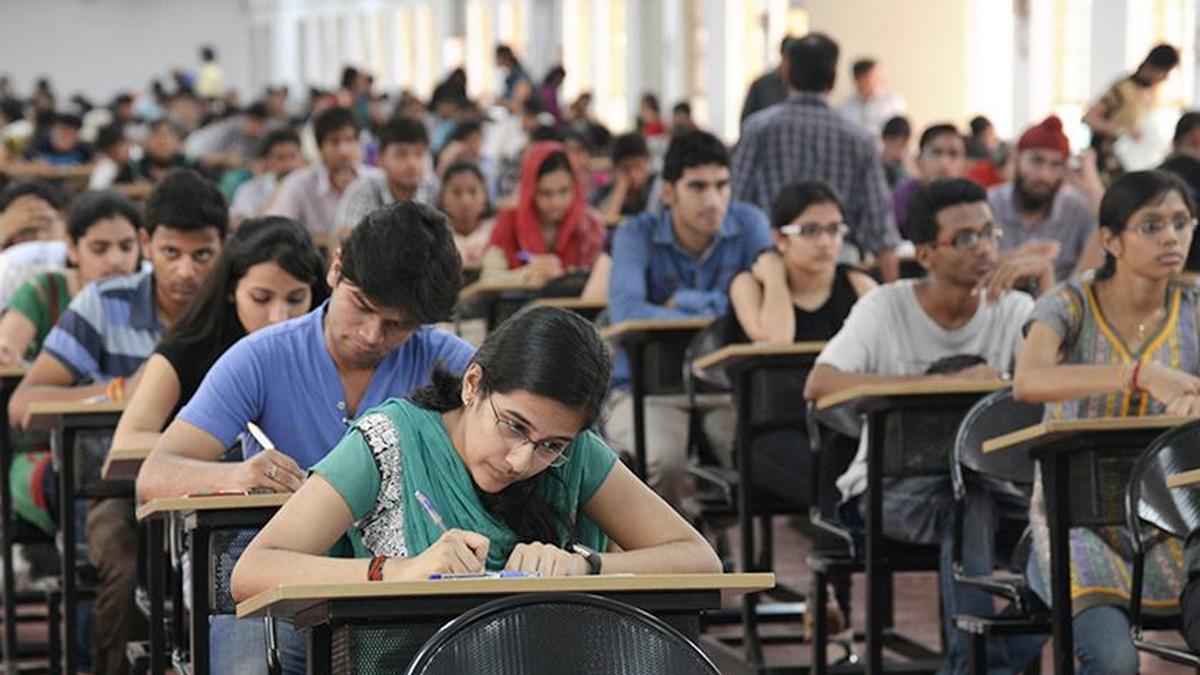
Securing question papers alone is insufficient; examination integrity must be protected across the entire lifecycle | Photo Credit: MURALI KUMAR K In 2014, while hearing a case involving major irregularities in IIT admissions, the Delhi High Court observed that the situation resembled the proverb “darkest beneath the lamp.“ IITs subsequently introduced reforms that established several transparency-oriented SOPs, many of which became de facto standards across India. (Sign up for THEdge, The Hindu’s weekly education newsletter.)Yet recurring controversies involving NEET, UGC-NET, and other public examinations suggest that vulnerabilities may still exist within the examination ecosystem itself, not merely outside it. The recent reconduct of NEET-2026, three UGC-NET 2026 subjects, and cancellation of Jharkhand examinations reinforce this concern. Is the “darkest beneath the lamp“ phenomenon now confronting the NTA and other examination bodies? The lesson is clear: securing question papers alone is insufficient; examination integrity must be protected across the entire lifecycle. Building on the proven safeguards of Public Examination Reform (PER 1.0), India now needs PER 2.0—common, standardized and independently auditable Standard Operating Procedures (SOPs), with clear accountability at every stage. Before the RTI Act, 2005, competitive examinations largely operated as black boxes: candidates received neither question papers, official answer keys, marksheets, nor transparent selection criteria. Questions about paper leaks, incorrect keys, or the selection of lower-scoring candidates over higher-scoring ones often went unanswered. Published - August 26, 2026 08:30 am IST
India needs Public Examination Reform 2.0
Full Article
Original Source
Read the full article at Thehindu →KhanList aggregates and links to publicly available news content. We do not host full articles from third-party sources. Always verify important information with original sources.