
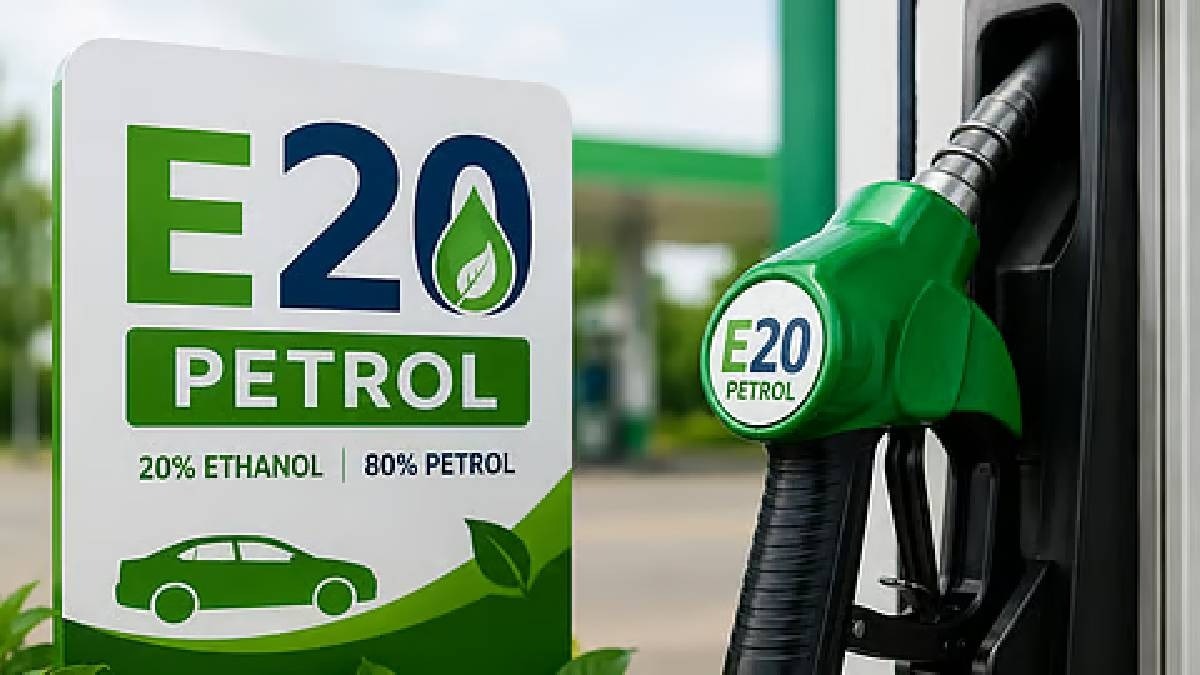
India has effectively achieved its target of blending 20 per cent ethanol with petrol in the 2025-26 supply year, with a sharp increase in ethanol production from maize and rice helping the country reach the milestone. However, the achievement could be difficult to sustain in the coming year as weak monsoon rainfall threatens supplies of key agricultural feedstocks.According to industry body All India Distillers' Association (AIDA), India's average ethanol blending rate reached 19.99 per cent in the supply year that ended on October 31, 2026, compared with 19.24 per cent in the previous year.A total of 11.34 billion litres of ethanol was blended with petrol during the period, taking India to the threshold of its long-standing 20 per cent target. The latest figures are provisional.MAIZE AND RICE DRIVE ETHANOL SUPPLIESThe biggest change in India's ethanol production mix was the growing contribution of grain-based feedstocks, particularly maize. According to AIDA's provisional figures cited by PTI, grain-based sources accounted for 73.52 per cent of total ethanol supplies, contributing around 800.53 crore litres during the 2025-26 supply year. Sugar-based feedstocks made up the remaining 26.48 per cent, or 288.38 crore litres. Maize emerged as the largest individual contributor, supplying 489.71 crore litres of ethanol, equivalent to nearly 46 per cent of total supplies, PTI reported.Surplus rice held by the Food Corporation of India (FCI) contributed another 233.95 crore litres, while damaged foodgrains accounted for 76.87 crore litres.SUGARCANE AND MOLASSES CONTRIBUTE 26% OF SUPPLIES Sugarcane-based production continued to play an important role, with supplies coming from sugarcane juice and different grades of molasses. These included 153.36 crore litres from sugarcane juice, 118.04 crore litres from B-Heavy molasses and 16.98 crore litres from C-Heavy molasses.The shift towards maize and rice has helped India expand ethanol production beyond its traditional dependence on sugarcane. It has also given grain-based distilleries a much larger role in meeting the country's fuel-blending requirements.The provisional data showed that 1,134.36 crore litres of ethanol were blended with petrol during the supply year, against an estimated requirement of 1,050 crore litres. Total ethanol allocations stood at 1,196.90 crore litres, while actual supplies were recorded at 1,088.91 crore litres.The achievement is significant for India's efforts to reduce its dependence on conventional petrol. Ethanol is an alcohol-based fuel that can be produced from agricultural crops and blended with petrol. Increasing its share in transport fuel allows the country to substitute a portion of its petrol consumption with domestically produced biofuel.AIDA President Vijendra Singh described the milestone as an example of the connection between energy security and agricultural growth."India's ethanol blending journey is an important example of how energy security, agricultural development and industrial growth can move forward together," he said, as quoted by PTI.He added that a stable and predictable policy environment, timely procurement and continued investment in manufacturing capacity would be important to sustain the momentum.MONSOON COULD COMPLICATE NEXT TARGETDespite reaching the milestone, India's ethanol blending programme could face fresh supply challenges in the 2026-27 supply year, which began in November. Industry experts have warned that ethanol blending could fall short of the government's 20 per cent target as the country grapples with its lowest monsoon rainfall in more than a decade.The concern is particularly significant because maize and sugarcane are among the major agricultural raw materials used to manufacture ethanol. Lower rainfall can affect crop yields, leaving distilleries with less feedstock to convert into biofuel.- Ends
India meets 20% ethanol blending goal with record grain-based supplies
Full Article
Original Source
Read the full article at Indiatoday →KhanList aggregates and links to publicly available news content. We do not host full articles from third-party sources. Always verify important information with original sources.