
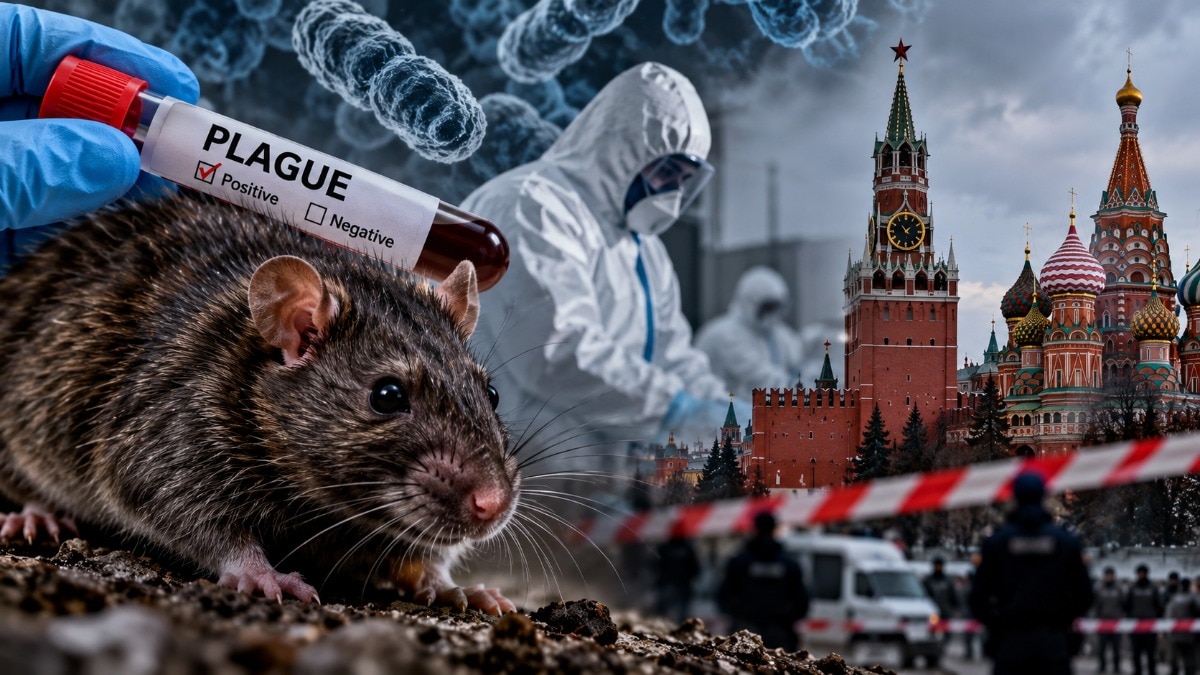
A recent death involving a suspected case of plague has once again brought the rare but serious bacterial infection into focus. The incident has raised questions about how prepared countries are to detect and contain plague, particularly pneumonic plague, which can cause severe pneumonia and become fatal if treatment is delayed.However, Dr Ishwar Gilada, Consultant in HIV, STDs and Infectious Diseases at Unison Medicare & Research Centre, Mumbai, and Secretary General of People's Health Organisation India, said there is currently no reason for the public to panic. According to him, the reported case involved a laboratory worker who was accidentally infected, and it should not be viewed as evidence of a wider outbreak unless further transmission is established.Dr Gilada said plague is a rare infection caused by the bacterium Yersinia pestis. He also stressed that plague is different from Covid, which is caused by a virus.THREE FORMS OF PLAGUEAccording to Dr Gilada, plague can occur in three major forms: bubonic, septicaemic and pneumonic plague. Bubonic plague is the most common form and causes painful swelling of the lymph nodes, known as buboes. Septicemic plague occurs when the infection spreads through the bloodstream and can lead to multiple organ involvement and organ failure.Pneumonic plague affects the lungs and is considered the most serious form. It can cause severe pneumonia, acute respiratory distress syndrome and death if treatment is not started quickly. Dr Gilada said people should not automatically associate every severe pneumonia case with plague. He also pointed out that bubonic plague generally does not spread directly from one person to another and is usually linked to infected fleas and rodents.INDIA HAS EXPERIENCE OF PLAGUE OUTBREAKSIndia has faced a major plague outbreak before. Dr Gilada recalled the 1994 outbreak in Surat, when both bubonic and pneumonic plague cases were reported.While the outbreak caused deaths and significant public concern, its impact extended beyond health. Travel, tourism and trade were also badly affected.Dr Gilada said this experience highlights why authorities need to respond carefully to outbreaks and communicate clearly, as an outbreak's social and economic impact can sometimes be much wider than the disease itself.LABORATORIES AND ISOLATION FACILITIES HAVE EXPANDEDOn India's preparedness, Dr Gilada said the country currently has a strong hospital and laboratory network, along with isolation facilities.He pointed to the rapid expansion of India's laboratory capacity during the Covid pandemic. Before 2020, only a limited number of laboratories were equipped to conduct Covid PCR testing. Within months, laboratory capacity expanded significantly across the country.The same infrastructure, he said, can support testing for emerging infections when required. However, he stressed that laboratories should be ready to develop the necessary testing primers for plague.PCR testing can play an important role in confirming infection, while antigen and antibody tests may also have a role.EARLY DIAGNOSIS AND TREATMENT ARE CRITICALThe biggest concern with pneumonic plague is the speed at which the disease can become severe. Dr Gilada said early diagnosis and immediate treatment are therefore critical.He said pneumonic plague can be extremely dangerous when treatment is delayed, but it is curable when diagnosed and treated promptly.India also has access to several antibiotics that are effective against Yersinia pestis. Dr Gilada mentioned tetracyclines, doxycycline, ciprofloxacin, levofloxacin, gentamicin and co-trimoxazole as medicines that can be used against plague, depending on clinical circumstances.He said these medicines are inexpensive and widely available.Overall, Dr Gilada described India as well-prepared to respond to a potential plague outbreak, while stressing that preparedness should not lead to complacency. Early detection, laboratory readiness, isolation and rapid access to treatment remain essential.For the public, his message was clear: maintain vigilance, but there is currently no reason to panic.- Ends
India is well-prepared for plague, but early diagnosis is key: Infectious disease expert
Full Article
Original Source
Read the full article at Indiatoday →KhanList aggregates and links to publicly available news content. We do not host full articles from third-party sources. Always verify important information with original sources.