
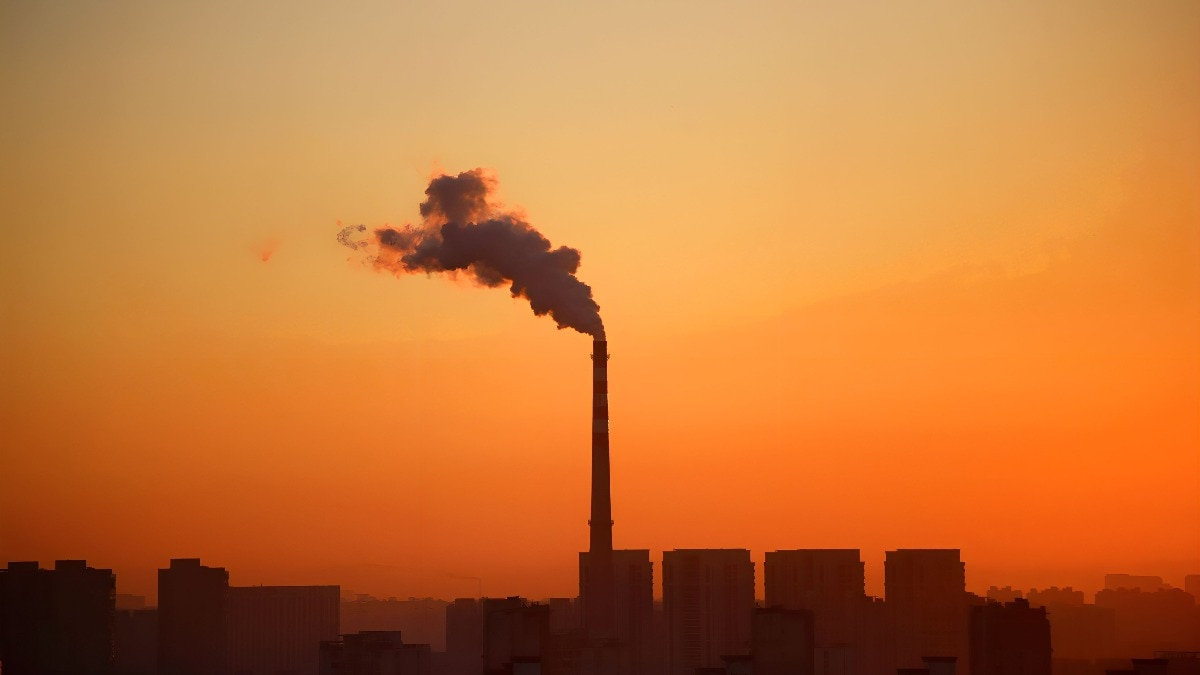
The study estimates that the share of energy demand met through direct imported fossil fuels could fall from around 58% in 2025 to 22% by 2035 if electrification gathers pace.The transport sector has significant potential to reduce India's dependence on imported petroleum products. (Photo: Pexels)New Delhi,Nov 16, 2026 13:40 ISTIndia could significantly reduce its dependence on imported fossil fuels and save thousands of crores in energy costs by speeding up the shift towards electricity. A new report estimates that faster electrification across transport, industry, agriculture and households could help the country save around Rs 9.6 lakh crore annually by 2035.The report, released by Climate Compatible Futures on Monday, November 16, also projects that India could eliminate direct fossil fuel imports by 2045 if it accelerates the shift towards electricity, green hydrogen and sustainable bioenergy.Titled ‘Decoupling from Fossil Fuel Imports: An Accelerated Electrification Scenario for India’, the study compares the country's current energy pathway with a faster transition towards cleaner energy sources.Under the current business-as-usual scenario, India's annual fossil fuel import expenditure could rise to Rs 23.3 lakh crore by 2045. The accelerated electrification pathway, however, could help the country bring these imports down to zero by the same year. ELECTRICITY COULD MEET 54% OF ENERGY DEMAND BY 2035The report identifies 2035 as a key milestone in India's transition towards greater energy security.Under the accelerated scenario, electricity's share of total energy demand is projected to rise from 29% in 2025 to 54% by 2035 and 76% by 2045. In comparison, electricity would account for only around 33% of India's energy demand by 2045 under the business-as-usual scenario.The study estimates that the share of energy demand met through direct imported fossil fuels could fall from around 58% in 2025 to 22% by 2035 if electrification gathers pace. Without faster changes, this share could remain at around 51% in 2035.HEAVY DEPENDENCE ON IMPORTED OIL RAISES CONCERNSIndia's growing energy needs and dependence on imported fuels leave it exposed to international price fluctuations and geopolitical tensions.According to the report, India imported around 5,002 billion units of crude oil, petroleum products, coal and natural gas in 2025, at a cost of Rs 17.5 lakh crore.Crude oil accounted for the largest share of this expenditure, costing approximately Rs 11.6 lakh crore. Coal imports added another Rs 2.6 lakh crore to the bill.India's crude oil import dependence stood at 88.2% in 2025, with imports reaching 242.4 million tonnes.The report also highlights how disruptions in West Asia and rising crude oil prices have affected India's energy costs and currency. Brent Crude prices crossed $100 per barrel amid geopolitical tensions, while India's crude oil import bill rose 48% year-on-year during April-August 2026.TRANSPORT AND INDUSTRY KEY TO REDUCING FUEL IMPORTSThe transport sector has significant potential to reduce India's dependence on imported petroleum products.Under the accelerated pathway, 45% of transport fuel demand could shift away from fossil fuels by 2035 through direct electricity, green hydrogen and bioenergy.Industry is another important area for change, accounting for 45.2% of India's end-use energy consumption in 2025. The report highlights the need to expand electrification and use alternative energy sources to reduce dependence on fossil fuels.The study also points to opportunities in agriculture and residential and commercial buildings. Electric cooking, efficient appliances and better cooling systems could help households and businesses reduce their use of LPG and natural gas.INFRASTRUCTURE WILL BE KEY TO INDIA'S ENERGY SHIFTThe report notes that a faster shift towards electricity will require significant investment in power infrastructure. India will need stronger transmission and distribution networks, energy storage and a more reliable electricity supply to support rising demand.Green hydrogen and sustainable bioenergy will also play an important role in sectors where direct electrification is difficult.The study points to India's progress in renewable energy, railway electrification and electric vehicle adoption as a foundation for this transition. However, achieving its target of eliminating direct fossil fuel imports by 2045 will depend on how quickly the country can expand clean energy infrastructure and reduce its reliance on imported fuels.- Ends
India could save Rs 9.6 lakh crore on fuel imports every year. How?
Full Article
Original Source
Read the full article at Indiatoday →KhanList aggregates and links to publicly available news content. We do not host full articles from third-party sources. Always verify important information with original sources.