
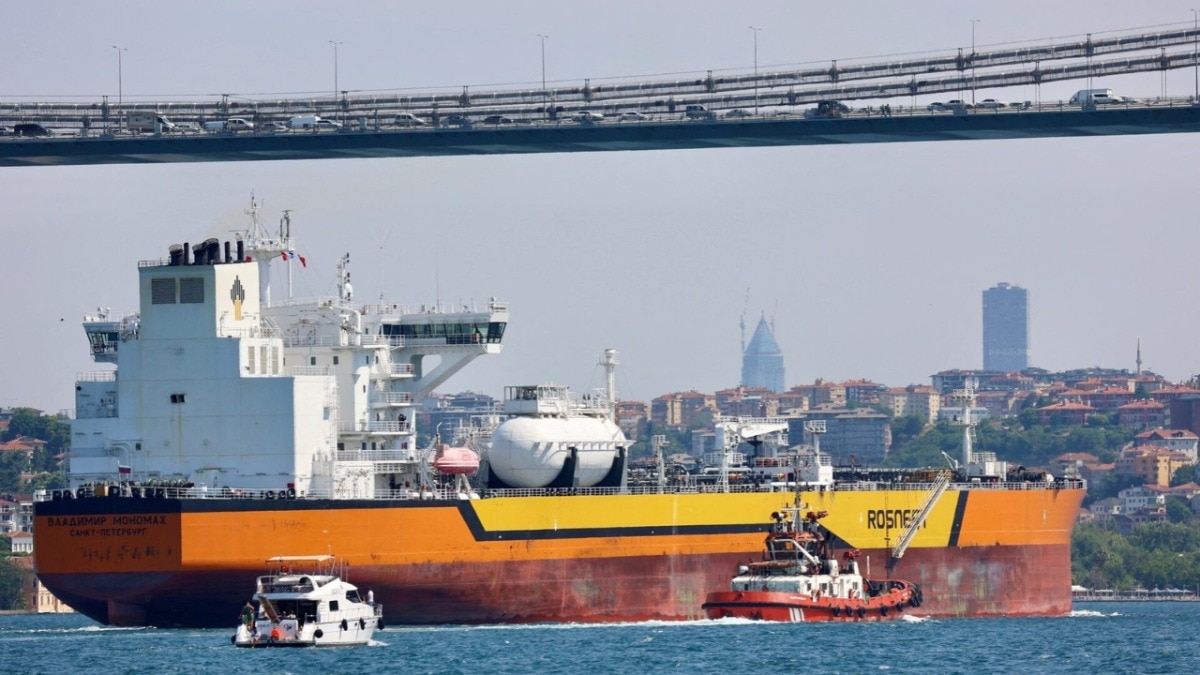
India and China are on course to import record volumes of Russian crude this year as the Iran war disrupts oil supplies from the Middle East. Temporary US sanctions waivers have also made it easier for refiners in the two countries to buy Russian oil. The surge is helping fill a supply gap for now, but traders expect demand for Russian barrels to weaken in 2027.According to tanker data and industry sources cited by Reuters, seaborne Russian oil shipments to India and China averaged around 3.4 million barrels per day (bpd) through mid-November, about 530,000 bpd higher than the same period last year.The increase has given Moscow an important boost to its oil revenues at a time when Ukrainian drone strikes have disrupted Russian refining capacity, forcing more crude into export markets.IRAN WAR SHAKES UP OIL FLOWSThe chain of events began with the disruption of Middle Eastern supplies following the Iran war. As Iranian oil flows declined and concerns grew over the availability of crude from the Gulf, India and China increased their reliance on Russian barrels. Temporary US waivers on sanctions targeting Russian oil also helped widen the pool of ships and suppliers available to buyers.Together, India and China accounted for more than 80 per cent of Russia's crude exports, according to estimates cited by Reuters. Russia's own oil exports are expected to rise this year. Its Ministry of Economic Development forecasts a 6 per cent increase to 244.7 million metric tonnes, equivalent to roughly 4.9 million bpd. The surge in exports has come despite repeated Ukrainian drone attacks on Russian refineries. Brent crude has also risen by nearly one-third since the start of the war.INDIA'S RUSSIAN OIL BUYING HITS RECORDIndia's dependence on Russian crude has increased sharply, making it the largest buyer of seaborne Russian oil. Kpler data showed India's imports averaged 1.99 million bpd through early November, around 250,000 bpd higher than a year earlier.The rise is notable because India had reduced purchases earlier in the year amid the threat of higher US tariffs.Between January and October, India's Russian crude imports increased by about 10 per cent to 1.87 million bpd, accounting for roughly 38% of India's overall crude imports, according to trade sources cited by Reuters. Indian refiners expect the full-year average to reach around 1.9 million bpd.The increase has been driven largely by changing economics and availability. As Middle Eastern supplies came under pressure during the Iran war, Russian crude became a more important source for Indian refiners seeking to maintain their feedstock supplies.CHINA'S RUSSIAN OIL DEPENDENCE RISESChina is also one of the biggest beneficiaries of the shift.Chinese customs data showed Russian oil exports to the country climbed 17 per cent to 2.34 million bpd between January and October, with the shipments valued at about USD 59.6 billion. Russian crude accounted for roughly a quarter of China's total oil imports during that period.That came even as China's overall crude imports fell 15 per cent."Lower shipping risks and greater supply reliability have been the main reasons behind the increase in China's Russian crude imports since the war broke out," Muyu Xu, an analyst with tanker tracker Kpler told Reuters. But China's dependence on Russian crude may have reached a level that becomes difficult to sustain.Michal Meidan, head of China Energy Research at the Oxford Institute of Energy Studies, expects Chinese demand for Russian oil to weaken next year as supplies from the Gulf become more readily available.The economics are also changing. Russian crude is no longer consistently cheap enough to make it an obvious choice for Chinese refiners."More importantly, they are no longer at a discount and are trading at higher premiums to Brent than Gulf crudes. The teapots can no longer afford them," Meidan, referring to smaller independent Chinese refiners that rely heavily on discounted crude, told Reuters.2027 COULD BRING A REVERSEThe big question is whether this Russian oil boom can continue once the disruption in Middle Eastern supplies fades. The expectation among traders and analysts is that it will not.If Gulf supplies return to normal in 2027, Indian refiners are expected to have more alternatives. Sources at Indian refiners told Reuters that Russian oil purchases could return to pre-Iran war levels, with future buying decisions likely to depend heavily on price.The same dynamic is expected in China. Once Middle Eastern barrels become more readily available and competitive, Chinese refiners could shift away from Russian crude, particularly if Moscow's barrels continue trading at premiums rather than discounts.That could leave Russia facing a more difficult market in 2027. Its two biggest customers have absorbed record volumes this year partly because geopolitical disruptions narrowed their alternatives. Once those disruptions ease, Russian crude will have to compete more directly with Middle Eastern and other supplies.- Ends
India, China importing record oil from Russia in 2026. Why the surge may not last
Full Article
Original Source
Read the full article at Indiatoday →KhanList aggregates and links to publicly available news content. We do not host full articles from third-party sources. Always verify important information with original sources.