
Approximately one in eight girls/women, experienced rape or sexual assault before turning 18, according to UNICEF 2024 estimates. Global estimates have also documented substantial sexual abuse among boys. Child sexual abuse is predominantly seen as a social evil and crime against humanity, but it is equally a serious public health problem. Yet our response understandably revolves around the perpetrator. Was the crime reported? Has the accused been arrested? Will the prosecution succeed? What punishment will follow?For the young person or child, however, punishment of the offender does not reverse what has happened. There may be physical injuries to treat, infections to prevent, pregnancy to consider and psychological wounds that may surface immediately or years later. Healthcare must begin even if justice is delayed.The first contact with the healthcare system is crucial. Depending on the nature and timing of the assault, the child may require treatment for physical injuries, testing and treatment for sexually transmitted infections, and assessment of the risk of HIV. When indicated, HIV post-exposure prophylaxis should be started as early as possible and within 72 hours. Emergency contraception can be offered to girls at risk of pregnancy who present within 120 hours. Hepatitis B and HPV vaccination, STI prophylaxis or treatment and pregnancy-related care may also be required. This is why medical examination after sexual assault cannot become merely an exercise in collecting evidence for a criminal case. Evidence matters, but the survivor is also simultaneously a patient sitting in front of the doctor.Unseen injuriesThe immediate psychological response to sexual abuse may include fear, confusion, shame, anger, numbness, disturbed sleep or silence. A child may not even have the vocabulary to explain what has happened. The first psychological intervention, therefore, is not necessarily psychotherapy, but safety. The child must be protected from further abuse, listened to without blame and helped to regain a sense of security and normalcy. Repeatedly asking the child to recount traumatic details can itself cause distress.While some children recover with family support and appropriate care, others may develop post-traumatic stress disorder (PTSD), depression, anxiety, nightmares, intrusive memories, hypervigilance or dissociation. Self-harm, suicidal thoughts, eating disorders, substance misuse and behavioural problems can also occur. Longer-term difficulties may involve self-worth, emotional regulation, trust, intimacy and relationships.Experiencing trauma does not automatically mean developing a psychiatric disorder. Outcomes vary with age, developmental stage, duration of abuse, relationship with the perpetrator and support following disclosure. This is why every survivor should receive a baseline mental health assessment covering mood, sleep, behaviour, schooling, relationships, self-harm and suicidality. Its purpose is not to label the child as mentally ill, but to establish a clinical reference point from which recovery or emerging difficulties can be followed.Trauma over timeSexual abuse is also not invariably a single traumatic incident. For most children, particularly when the perpetrator has regular access or authority, abuse may recur for months or years. What clinicians encounter may therefore be the cumulative effect of repeated exposure.Even after the abuse stops, recovery is not governed by a calendar. Memories, family responses, seeing the perpetrator, investigation and court proceedings can reactivate distress. Childhood is also the period during which emotional regulation, self-concept and ideas about safety and relationships are developing. Trauma occurring during these formative years can become entangled with these processes.Healing consequently means more than making traumatic memories disappear. It means helping the child resume development. Returning to school, playing, sleeping normally, rebuilding relationships and recovering a sense of safety and control can themselves be important parts of recovery.Paths to recoveryTreatment must be individualised. Supportive psychotherapy and counselling may be sufficient for some. Children with significant symptoms require assessment by trained mental health professionals. Cognitive behavioural therapy helps identify connections between thoughts, emotions and behaviour and develops healthier ways of responding to distress.For children and adolescents with post-traumatic stress symptoms or PTSD, trauma-focused cognitive behavioural therapy, or TF-CBT, is an important evidence-based option. It can teach skills to manage anxiety, gradually and safely process traumatic memories, challenge beliefs such as self-blame and help restore normal functioning.Other interventions, including interpersonal psychotherapy for appropriate emotional disorders and EMDR for PTSD, may have a role depending on clinical assessment. The principle is that every survivor deserves an assessment and access to care, but not every survivor needs the same treatment.Families matterRecovery also rarely happens in the consulting room alone. A supportive, non-offending parent or caregiver can be one of the child’s greatest protective resources. Families need guidance on how to respond to disclosure, avoid blaming or repeatedly questioning the child, recognise warning signs, and restore ordinary routines without pretending that nothing happened.Where safe and appropriate, caregivers can participate in trauma-focused therapy. They, too, may require psychological support. A parent discovering that their child has been sexually abused may experience guilt, anger, helplessness and enormous distress. Helping the caregiver can indirectly strengthen the child’s recovery.Building capacityThis requires more than appointing counsellors. The system needs to facilitate frontline doctors, paediatricians, gynaecologists, nurses and counsellors to provide immediate trauma-informed care. District services need access to clinical psychologists and psychiatrists, with clear referral pathways for children requiring specialised interventions. The healthcare providers themselves also need protection. Listening repeatedly to accounts of sexual violence can result in secondary or vicarious trauma. Supervision, manageable caseloads, debriefing, peer support, and periods away from continuous trauma work should be built into services rather than regarded as luxuries.Eventually, the success of our response cannot be measured only by whether justice was set in motion: it is whether the infection was prevented, whether reproductive healthcare was provided, whether the child’s mental health was assessed, whether treatment was available when needed, whether the family knew how to support the child, whether the child returned to school and, ultimately, whether that child was able to move forward.A humane health system must, at first, ask what needs to happen for the child, while law simultaneously addressing what needs to happen for justice.(Dr. C. Aravinda is an academic and public health physician. The views expressed are personal. aravindaaiimsjr10@hotmail.com)
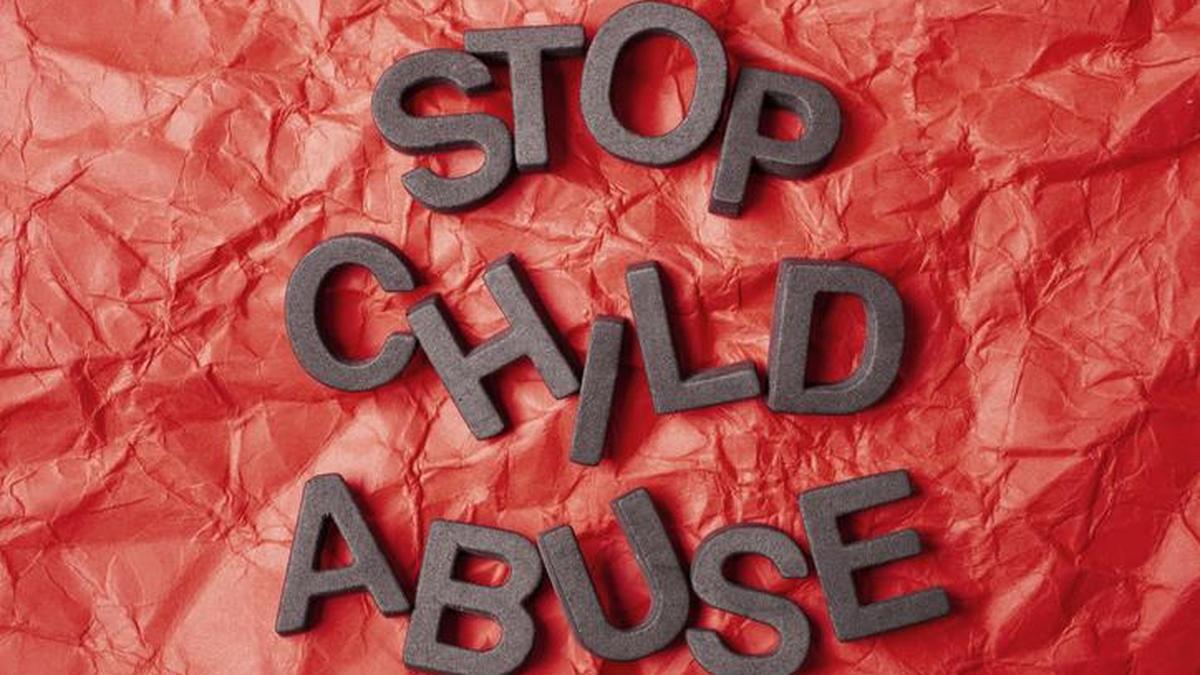
In child sexual abuse, focus on healing the survivor
Full Article
Original Source
Read the full article at Thehindu →KhanList aggregates and links to publicly available news content. We do not host full articles from third-party sources. Always verify important information with original sources.