
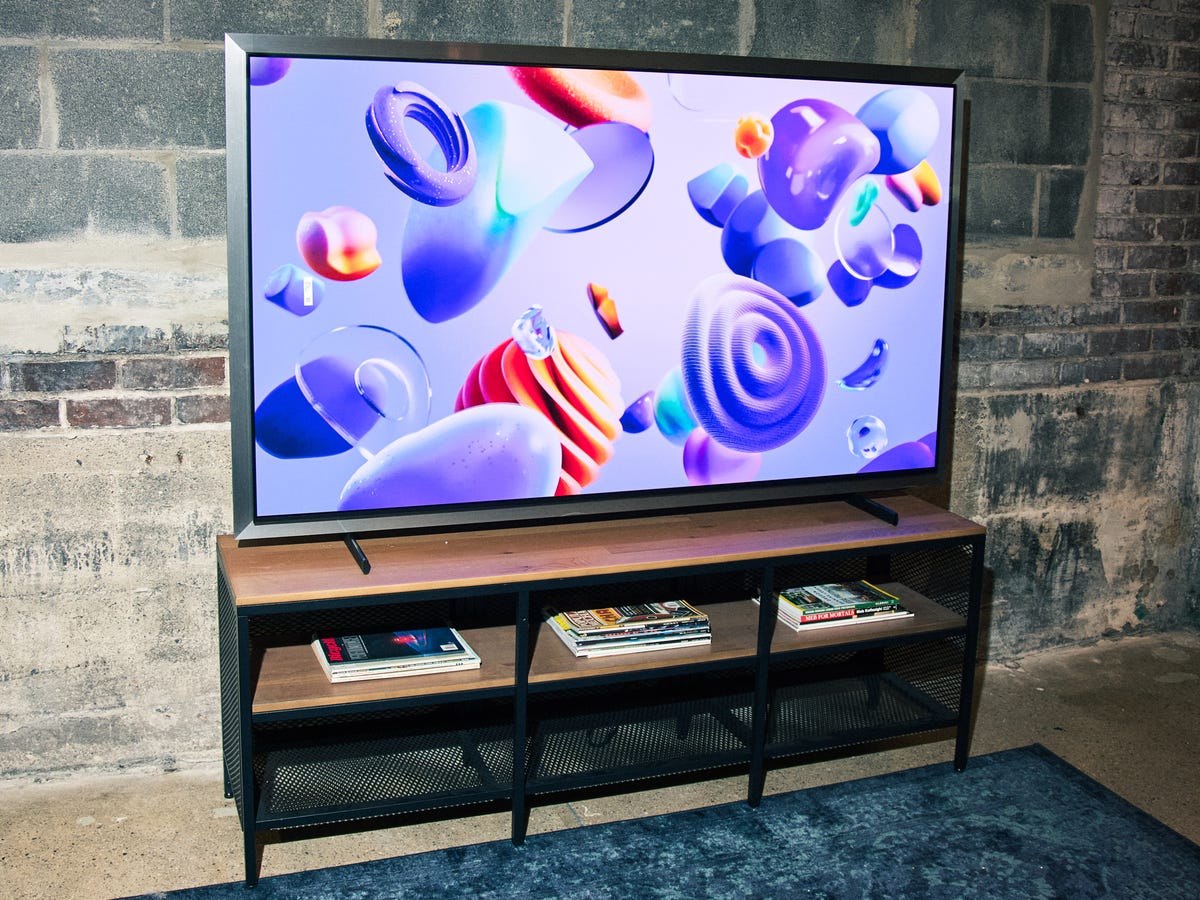
3 min readWe’ve passed the midway point of 2026, and it’s TV season. Most of the major TV manufacturers have released their 2026 models, introducing new technologies like RGB Micro-LED, and enhancing the lines that we all know and trust with various technical improvements. You may have heard about these TVs months ago (many were announced at CES in January), but now they’re actually in stores and ready to buy.I’ve been testing TVs for months and, while I have many, many more to go before I’ll be ready for next year, a pattern has started to emerge from the sets I’ve seen. Just about every product has moved the needle forward, offering brighter backlighting, better processors, or premium features that weren’t previously available in a lower price range: But few models from returning lines have made a strong case for picking them over the 2025 TVs they’re replacing. Are they better, technically? Absolutely. But those improvements often don’t make them worth hundreds of dollars more, which is what they tend to cost compared to their discounted older siblings.It’s a unique conundrum for new TV buyers in 2026. (Or at least for TV hardware critics like me.) On the one hand, my colleagues and I want to endorse this year’s TVs as the best options available because, again, they are. But increasingly the best value and the best option are not the same thing.Case in point, I recently reviewed the LG C6, the latest version of the LG C-series, which has come to be known as the go-to OLED tv for most people because of recommendations across the tech media world. The C6 is an excellent TV, but the 65-inch model is still almost 50 percent more expensive than the same size version of the LG C5, which was (and is) my current top OLED TV recommendation. (And that’s after a price cut.)Shop LG C5 and C6LG C5 OLED TV (65-inch)Credit: Trevor RaabLG C6 OLED TV (65-inch)Now 33% OffCredit: Winston ZhouI could say the same about Samsung’s latest flagship OLED, the S95H. I absolutely loved using this TV, but it costs a cool $4,500 for a 77-inch big screen. Meanwhile, the Samsung S95F is a comparatively attainable $3,000, and has all the features that I loved about the S95H, including an impeccable anti-reflective screen. There are some things you’ll miss if you go with the old model—I think the S95H’s metal frame looks stunning in the living room—but that’s a lot of dough to pay for a minor aesthetic glow-up.Shop Samsung S95F and S95HSamsung S95F 4K OLED TV (77-inch)Samsung S95H OLED TV (77-inch)Credit: Winston ZhouAnd, to be clear, I’m not just talking about OLEDs. I said the same thing about the TCL QM8L, a mid-tier mini-LED TV. It’s brighter and offers better color accuracy than 2025’s QM8K, but also costs $500 more if you’re looking at a 65-inch set. The gap, frankly, is too big to justify the spend.Shop TCL QM8L and QM8KTCL QM8K Series QD-Mini-LED 4K TV (75-inch)TCL QM8L Series SQD-Mini-LED 4K TV (75-inch)Now 25% OffEvery single TV I just talked about is great. Many of the 2025 models earned our recommendations when they launched last year. And I expect many of these will become our top picks eventually, when their prices drop or when supplies of last year’s models thin out. I expect that, by the time the holidays roll around, retailers will start bringing down prices, closing that gap and allowing the tech inside this year’s TVs to look a little more appealing.We don’t replace TVs very often—most consumers expect to get seven to 10 years out of a TV. On the one hand, that means buying the latest and greatest is always a good idea, even if that means waiting a few extra months until prices come down. On the other hand, if you’ve been using a 2016 TV for the past decade, a 2025 screen is going to blow you away. I think either of those moves makes a lot of sense. In the end, the important thing is that you walk away with a screen that makes your favorite shows, movies, and games pop.Stefan is an award-winning consumer technology editor with over a decade of experience in reviewing gadgets, particularly smartphones, tablets, smartwatches, desktop and laptop computers across multiple form factors and platforms, as well as accessories for them. He also covers televisions and audio equipment, including headphones, earbuds, wireless speakers, and soundbars. Since joining Hearst in 2015, Stefan has contributed to BestProducts, Popular Mechanics, and numerous other publications. Prior to his current role, he served as the US Editor for GSMArena.com.Mike Epstein is a Senior Commerce Editor at Hearst Enthusiast Group, producing reviews for buying guides Popular Mechanics, Runner’s World, Bicycling, and Best Products. Prior to joining Hearst, he was a video game and technology critic for over 10 years, with bylines at IGN, Gamespot, Variety, Lifehacker, Kotaku, GamesRadar, Flavorwire and Digital Trends, among others. Now, he’s a jack of all trades, helping reviewers share everything they know about all kinds of technical gear, from snowblowers, to running shoes and bicycles, and every kind of gadget imaginable.
In 2026, the Newest TVs Aren’t Always the Best Buys
Full Article
Original Source
Read the full article at Popularmechanics →KhanList aggregates and links to publicly available news content. We do not host full articles from third-party sources. Always verify important information with original sources.