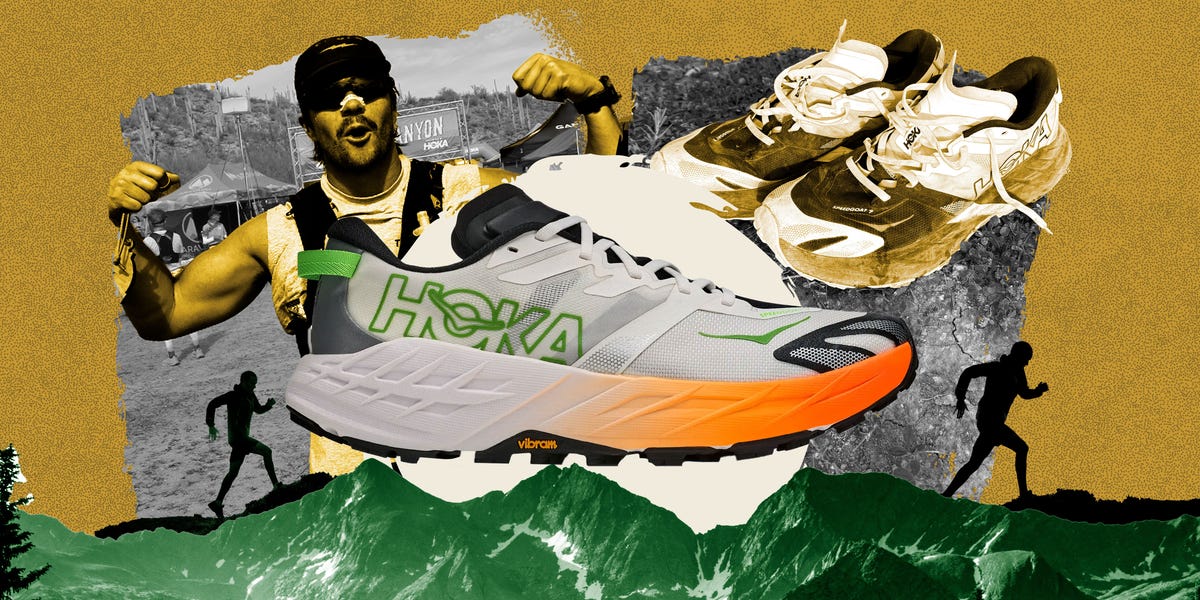
4 min readWelcome to Trail Tested, a new monthly column from entrepreneur and athlete Jack Espy as he trains for the grueling Leadville 100 ultramarathon this August. Trail Tested will follow Jack along his journey to do his first 100-miler to see what his body is capable of and what his mind can endure. Throughout his training, he’ll be giving us a rundown of gear he’s been putting to the limit.WE ARE LESS than a month out from the Leadville 100, and my training has reached its peak. Right now I'm running between 70 and 90 miles per week, with every week bringing more mileage, more climbing, and more time on technical terrain.For the past couple of weeks, I've been training in Montana to prepare for the altitude and the type of trails I'll face in Leadville. While my road training in Florida and New York was focused on building speed and logging miles, the goal in the final weeks is to spend as much time as possible climbing, descending, and getting comfortable moving efficiently on rugged mountain terrain. That’s when I needed to pivot to a dedicated trail shoe. After putting lots of miles into different options during other trail races earlier this year, the shoe I've consistently reached for has been the Hoka Speedgoat 7.This year's Leadville 100 also has an added layer of uncertainty: Due to the fires in and around Leadville, race organizers have indicated the course could change. As of now, runners won't know the final route until roughly two weeks before race day. That creates a unique challenge in training without knowing exactly what the challenges of the course will be. The changes could mean additional elevation gain, but more importantly, they could introduce completely different climbs, descents, terrain, and technical sections than what athletes have spent months preparing for. It makes having a versatile and dependable trail shoe even more important.Hoka Speedgoat 7Fit and PerformanceJack EspyThe Hoka Speedgoat 7 has been getting plenty of mountain miles in Montana.I’ve been a fan of previous Speedgoat models, and the first thing I noticed about the 7 is how natural it felt right out of the box. There really wasn't a break-in period. I was able to take them on long trail runs almost immediately.The fit is secure without feeling restrictive (an issue I had with the 6), which becomes incredibly important once you're several hours into a run. My foot stays locked in during technical descents while still leaving enough room in the toe box for the inevitable swelling that comes during long efforts.Where these shoes really separate themselves is confidence. Whether I'm climbing steep singletrack, running over loose gravel, navigating rocky descents, or moving across uneven terrain, I don’t find myself second-guessing my footing. The Vibram Megagrip outsole provides outstanding grab across just about every surface I've encountered during training in Montana.Comfort has also been one of the biggest surprises. Even after four- and five-hour trail runs, my feet still feel remarkably fresh. The cushioning absorbs the constant pounding without feeling overly soft or unstable. When you're consistently running 65- to 80-mile weeks, that becomes a huge advantage because recovery between runs is just as important as the training itself.Another feature that has really stood out is how well these shoes handle water. The traditional Leadville 100 course has several creek crossings, and while they aren't deep, you're almost guaranteed to get your feet wet at some point during the race. The Speedgoat 7 drains exceptionally well and dries surprisingly fast. Instead of carrying heavy, waterlogged shoes for miles afterward, they shed water quickly and get back to feeling light within a short period of time. That may sound like a small detail, but over the course of a 100-mile race, little things like that can make a significant difference in both comfort and performance.AlternativesI've also spent time running in the Adidas Terrex Agravic Ultra Trail 2 and the Saucony Ride TR2, and they're both solid trail shoes. The Adidas feels lighter, more responsive, and is geared toward runners looking to move quickly over technical terrain. If I were lining up for a shorter trail race where speed was my top priority, they would absolutely be in the conversation. The Saucony is more of an entry-level trail shoe that doesn’t quite have the technical chops I’ll need.For Leadville, however, my priorities are different. One hundred miles is about managing fatigue, protecting your legs, and staying comfortable over the course of an entire day in the mountains. I would much rather sacrifice a little bit of speed in exchange for the additional cushioning, stability, and confidence the Speedgoat 7 provides. As fatigue sets in, those characteristics become far more valuable than saving a few ounces.The Verdict: Will They Make the Race Day Kit?Jack EspyThe Speedgoat 7 holding its own in some running water.Absolutely. At this point in training, I don't want any surprises on race day. The Speedgoat 7 has handled everything I've thrown at it, from high-altitude climbs in Montana to long technical descents, rocky singletrack, loose gravel, and repeated creek crossings.With the uncertainty surrounding this year's Leadville course, having confidence in my footwear is more important than ever. I may not know exactly what the mountains are going to throw at me until just a couple of weeks before the race, but I know I'll have a shoe that can handle whatever the course becomes.Adidas Terrex Agravic Speed Ultra 2Saucony Ride TR2Now 21% OffCredit: RetailerArc’teryx Sylan 2Credit: Retailer
I'm Training for a 100-Mile Ultramarathon and These Hoka Trail Shoes Are My Race Day Choice
Full Article
Original Source
Read the full article at Menshealth →KhanList aggregates and links to publicly available news content. We do not host full articles from third-party sources. Always verify important information with original sources.