
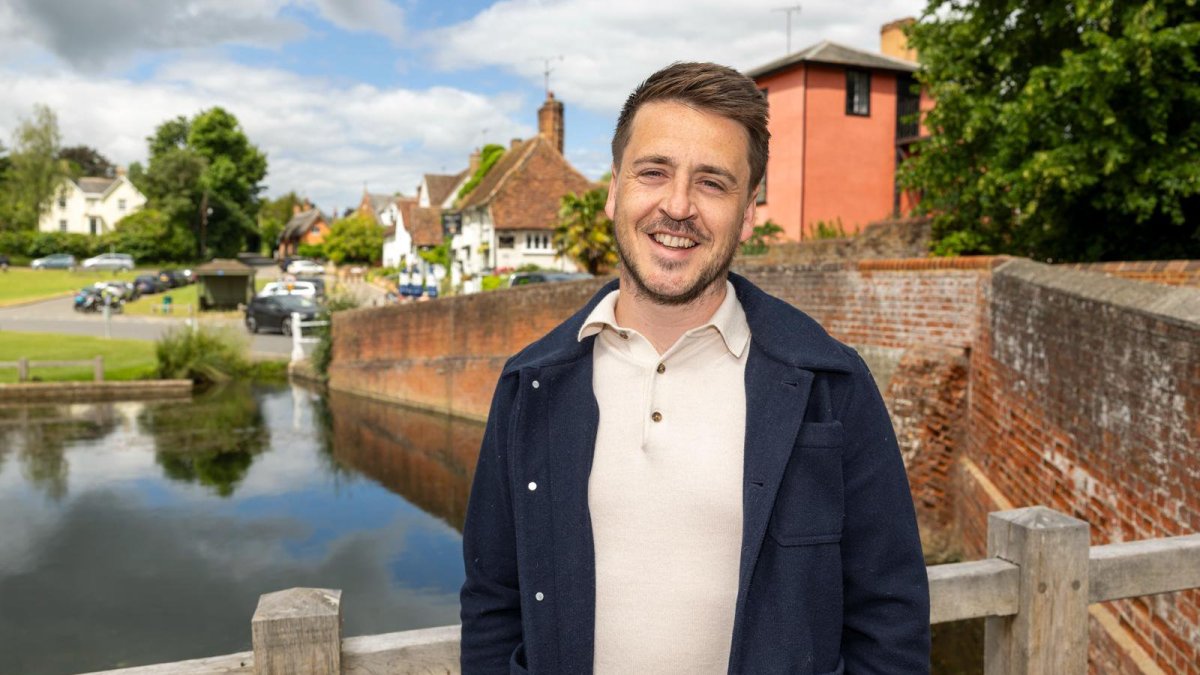
It’s been three years since Conor Wilson hung up his uniform. Now a father of three living in Surrey and working in communications, he thought his days as an officer in the British Army were over. But now, as the Ministry of Defence launches a major effort to track down and re-register veterans to allow them to be called up in a crisis, Wilson says he is open to retraining with his old comrades. UK military chiefs have written to around 50,000 veterans to gather information on their readiness to fight and create a database of former personnel who could be recalled to the Armed Forces in an emergency, The i Paper revealed on Thursday. Wilson, 34, said he welcomed the letter from the MoD, having recently started to wonder about re-engaging with the Army following reports of growing Russian aggression. “I thought I was done with the military, and I don’t know if I am,” he said. “When I look at what’s coming down the track, at what the country is facing, I’ve been thinking I probably do need to get ahead of the curve. Because if we are going to deploy, I want to have as much notice, as much training as possible. “I’ve got children, and a son who’s 10, and I’ve been thinking, ‘what does his future look like?’ It is a little bit corny, but I do feel like I need to do my bit.” If war broke out in Britain, around 5 per cent of veterans known as the Strategic Reserve would be liable for call-up, to help with homeland defence and support full-time forces and the Volunteer Reserve (people with civilian jobs who undertake regular military training).But, in practice, the readiness of the Strategic Reserve has been allowed to lapse since the Cold War and little is known about levels of fitness, training or willingness to rejoin. The father of three from Surrey, who now works in communications, says he thinks the Government is ‘behind the curve’ with its preparations for possible war (Photo: Conor Wilson) In the MoD’s letter, the head of the Army thanks veterans for their service, saying the forces “certainly still see you as part of the team”. “At a time when the international environment is becoming more uncertain and where the United Kingdom’s defence and security forces are sharpening their readiness levels, it is only right that we better understand and stay connected with the people who make up that community,” writes Army chief General Sir Roly Walker. “We want to know what talent we have in our part of the Strategic Reserve in case we need to call upon it in the years ahead.” Sir Roly clarifies that veterans are not being asked to return to service. There will also be opportunities to join military training exercises, including a Nato drill in Belgium next year. The letter asks veterans to complete a questionnaire by 23 December, covering willingness to undertake overseas and domestic roles, any medical conditions and whether they are working in a protected industry. Wilson, who joined the Army in 2016 in peacetime, said he thought the letter was “a good idea”, adding that many veterans will have acquired new skills since leaving, which could now be useful to the forces in a crisis. Wilson believes he is part of a cohort with more to give and that the Armed Forces could benefit from their skills (Photo: Conor Wilson) “Having got the letter, I feel a little bit more confident that the MoD is starting to get their ducks in a row,” Wilson said. “I think it is something that the Government are way behind the curve on. So many people who leave the military don’t even know that the liability exists, or that they have this responsibility once they leave.” The only contact Wilson has had with the forces since leaving has been an annual letter asking him to fill out his details and location, which he called “pretty thin”, with “nothing to get an understanding of the person after they’ve left the military”. Wilson says he was part of a “generation of people that really wanted to go and do something” and suspects many of his cohort, who joined too late to serve in Afghanistan and Iraq, feel that they have more to give. “We have platinum jubilee medals and coronation medals that some don’t feel that they’ve earned because they’re not operational medals,” he said. “I think there is a generation of people that probably left the military after five to 10 years, who think ‘I didn’t actually do what I wanted to do’, and they still have that urge to go and do it.” Wilson believes that many have not joined the voluntary reserves – people who have civilian jobs but train regularly with the forces – because they felt it was not at a high enough standard. “It’s not that they don’t necessarily value reserve service, but they don’t value the level of training, the level of funding, that the reserves get,” Wilson said. “Many people will serve as a regular with reservists and think, ‘You’re nowhere near the standard’. But if it was as part of the strategic reserves, and if there is a genuine need, I think people would be willing to go.” Retraining veterans won’t be without obstacles. Many will not have up-to-date skills, with the maximum age of recall being extended from 55 to 65 at the end of the year. Wilson thinks that for some, rejoining and finding themselves 10 years behind their peers could “grate”. Businesses with veteran employees may face pressure if several return to military training. And it won’t be cheap, with veterans needing to be paid for their commitment and reissued with equipment. “We all know that the MoD has not got a massive reserve of cash,” Wilson said. On leaving the service, he gave back kit including his helmet and body armour, and sold additional items he’d bought for himself. “I’m not sure I’d fit in my mess dress anymore,” he joked. “But I might have some webbing or a day sack in the loft.” Military charity Help for Heroes said that the MoD must ensure veterans are “properly supported” if they are asked to stand ready to keep our country safe. “For many veterans, the transition to civilian life brings challenges that can affect their health, finances and family life. Too many still struggle to access the support they need,” a spokesperson told The i Paper. “Veterans retain valuable skills and experience that can continue to contribute to our national security. But if we are asking more of our strategic reserves, we must be prepared to do more for them in return.” The challenges that lie ahead as Britain tries to build its defences are only just beginning.
I’m a veteran with three kids living in Surrey – but I’m ready to fight Putin
Full Article
Original Source
Read the full article at Inews →KhanList aggregates and links to publicly available news content. We do not host full articles from third-party sources. Always verify important information with original sources.