
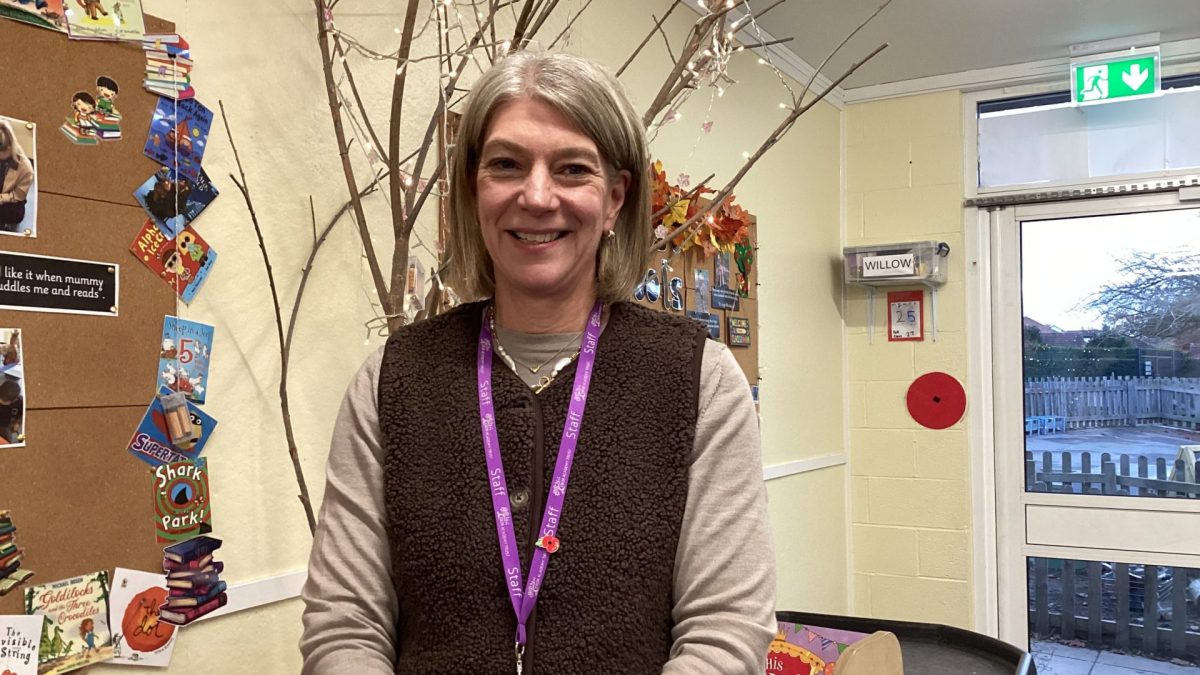
Toilet training, using a knife and fork and listening to others are key developments that signal “school readiness” for reception-age children. But according to children’s charity Kindred Squared, one in four children who started reception in 2025 were not toilet trained, including many who were still in nappies. The proportion rose from 24 per cent in 2023 to 26 per cent in 2025. The former Labour health secretary, Alan Milburn, has connected lack of school readiness to the growing problem of Neets (not in education, employment or training) in his major review of youth unemployment published this week. The UK has nearly one million young people aged 16-24 who are not earning or learning, according to the Office for National Statistics. Milburn is calling on the government to raise its target for primary school readiness in England from 75 per cent by 2028 to 90 per cent by 2035. Kindred Squared says reception staff spend an average 1.4 hours a day changing nappies, and lose two hours of teaching time daily. But an eight-month pilot programme in York, led by the City of York Council in partnership with the Ebor Academy Trust and funded by Kindred Squared, has led to a dramatic drop in the rates of children not toilet trained. “We know from parents and teachers about the impact that the low levels of toilet training have on all children’s progress,” explains Felicity Gillespie, chief executive of Kindred Squared. “And the brilliant thing is that we now feel we have the technology to do something about it.“The city of York pilot project in eight months demonstrated a 42 per cent drop in the number of children starting school not toilet trained,” said Gillespie. Last September, 148 out of 1,364 reception pupils (11 per cent) in York were not toilet trained. This year that fell to 85 pupils out of 1,374 (6 per cent). The potty training scheme is now being rolled out across 20 councils including Suffolk, Solihull, Rotherham and the London Borough of Redbridge. We spoke to Jo Mould, assistant headteacher and early years lead at Robert Wilkinson Primary Academy, York, about how a lack of toilet training disrupts her classroom – and how dramatically things have improved. – “We found increasing numbers of children were joining the school either still in nappies and required frequent changing, or were not fully confident in using the toilet themselves and were having lots of toilet accidents. For safeguarding reasons, it needs two people to go and change a child when they’ve had an accident or their nappy needs changing, so that was instantly taking two people ‘off the shop floor’ and away from the children as they were playing and learning. We’ve had to close one of the classrooms because of this so that the remaining teacher could supervise the two classes while we were helping that one child. We were spending about two and a half hours per week cleaning up messes or changing children. It would happen at least daily – depending on the number of children needing that kind of care it might be multiple times a day. It was bits here and bits there but it was a considerable amount of time. We were interrupting all this learning and learning through play. By the end of the week there was this sense of frustration that you’d lost all this learning time. It was having a really detrimental effect on their education. You might find yourself doing some beautiful enriched learning, and you suddenly had to stop because there’d been an accident. It’s humiliating for the child when they get up and there’s a little puddle on the floor or a smell and the other children are aware. That child is a bit embarrassed, upset, and maybe sore because it’s taken them an hour to pluck up the courage to tell the teacher. Dealing with this is obviously a part of our role as early years teachers – staff are always very quick to play it down and say that we’ll sort it out with them, it doesn’t matter. But there was also a sense of frustration that we had to then break off from being with the other children. We also found that parents didn’t really want to talk about it – nobody really wants to admit that their child can’t use the toilet or is having frequent toilet accidents. Nappies are so much better than they ever were, so sometimes there was no real incentive for the children to come out of them. Parents didn’t really know where to turn. Health visitors are in short supply, it’s hard to get to the GP and even if you do it’s not often a medical problem. There was no clear message that when it comes to toilet training, between 18 and 30 months is the optimum window for a child’s development. In the pilot scheme, potty training guides were sent out to all families across York with a child starting reception in September. It really opened up this conversation and got everyone involved: parents and health colleagues and school colleagues. And crucially the messaging was everywhere and it was consistent. It was in libraries, GP surgeries, shops, schools, even hairdressers, and teachers and staff were given training on how to have these more difficult conversations. This year after the initiative, we’ve really noticed that we haven’t got as many distressed children. The children are not just able to go to the toilet more independently – they’re able to regulate their emotions more too. And for us, learning has increased vastly as we can immerse more fully in opportunities for education. It has increased the sense of fulfillment that we feel at the end of the day, as well as our relationships with the parents. We’re very open in reception and talk about wee and poo every day, but for some parents its really hard for them to discuss about their child. But because of this initiative breaking down the barriers, we’ve had more conversations about toilet training this year than I’ve known. And it’s begun to come up in the nurseries across the city too. Toilet training is only one aspect of school readiness. As this programme has been successful it’s led quite naturally to these conversations about other forms of school readiness and how we can improve that too. This isn’t to say that if you can use the toilet independently by reception age you’ve got a guaranteed rosy future ahead of you. But we do know that GCSE outcomes are pretty much predicted by the end of age five. If children have the best start in early life in their early years, that is going to have an impact on their outcomes. By the end of reception, you can already look at a child’s trajectory and see if they are going to meet statutory assessment points and have good educational outcomes, and therefore life outcomes.”
I’m a teacher – we waste hours cleaning up after kids who aren’t toilet trained
Full Article
Original Source
Read the full article at Inews →KhanList aggregates and links to publicly available news content. We do not host full articles from third-party sources. Always verify important information with original sources.