
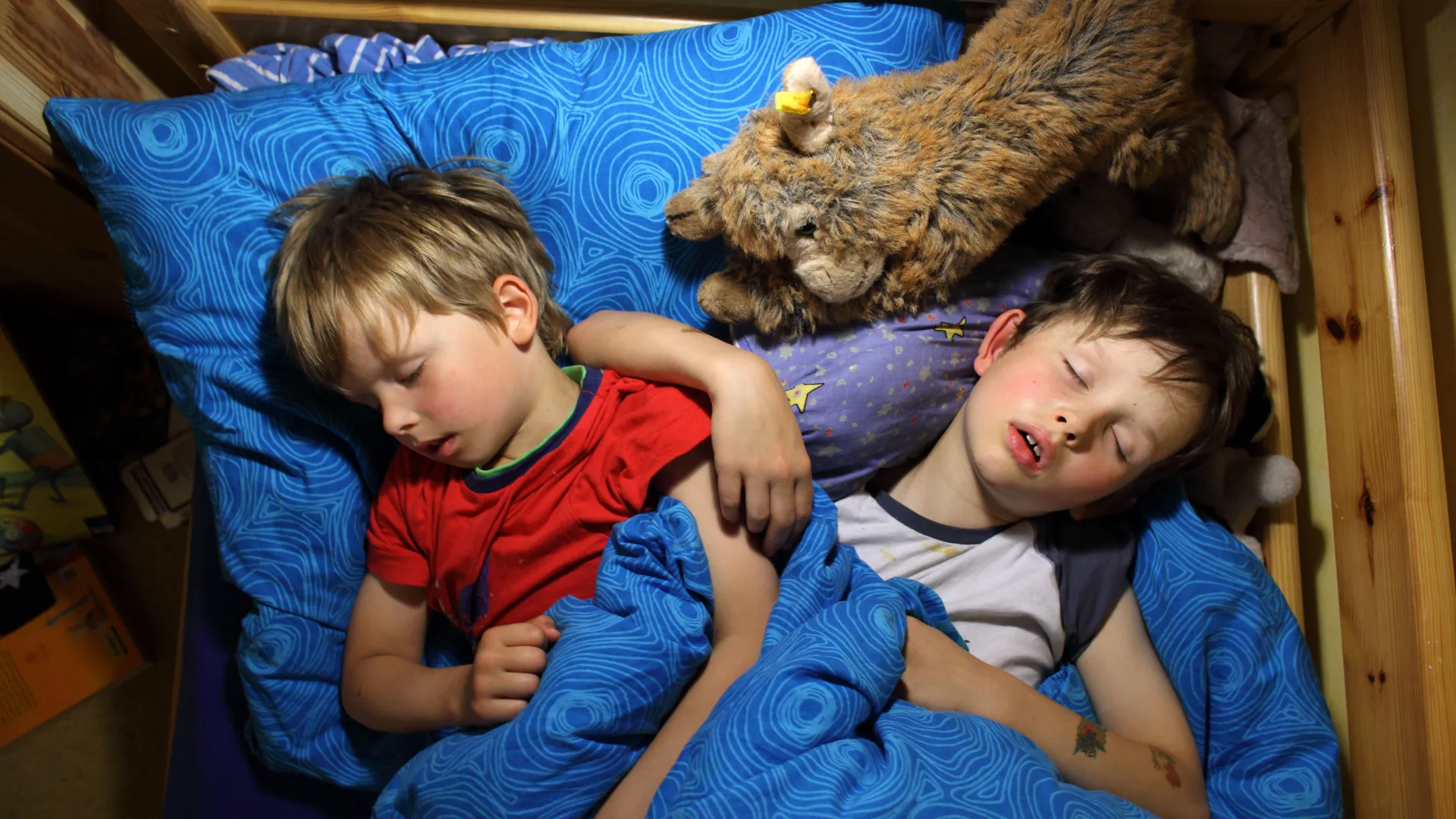
EVERY parent knows the struggle of getting your little ones up for school in the morning. And while your child might not be jumping out of bed every day, they should be getting the required amount of sleep for a full day of learning. Follow my simple steps to ensure your child gets enough sleep on a school night Credit: Henna Sharma As a primary school teacher, I can spot straight away when a child hasn’t had enough sleep. They may struggle to concentrate, feel more emotional than usual, and nod off on the carpet or at their desks. Sign up for the Fabulous newsletter Thank you! Consistent and quality sleep is crucial for children’s progress, as tired children process information more slowly, struggle with memory, and find it harder to retain what they’ve learned. Sleep gives their growing brains the chance to process what they’ve learned in the day, store memories, and recharge. Without it, they fall behind in their learning and miss out on key stages of growth – both academically and physically. Why sleep is important A good night’s sleep is just as important for kids as eating their greens – and getting the right bedtime can make all the difference. Experts warn that not enough shut-eye doesn’t just leave youngsters tired and cranky, it can hit their learning, mood, and even long-term health. A study from Cambridge University in 2025 found adolescents who go to bed earlier and sleep longer perform better cognitively, with better memory, problem solving and attention. Most read in Fabulous Children with consistent, early bedtime routines also show better emotional regulation and school readiness. Regular bedtime routines are also linked to better physical health, better mood, and fewer behavioural issues. Research from the NHS shows sleep is vital for growth, immune function, and recovery. Sleep-deprived children are more likely to experience anxiety, stress, and low mood. A lack of rest can also mimic or worsen symptoms of ADHD, leading to restlessness and difficulty managing emotions. The amount of sleep your child requires varies depending on their age. While children aged from three to six need about 10-13 hours, those from six to 12 should aim for 10-12 hours. Recommended sleep hours by age 3-5 years should get 10-13 hours (6-8pm bedtime) 6-7 years should get 10-11 hours (7-8pm bedtime) 8-9 years should get 10-11 hours (8-9pm bedtime) 10-12 years should get 9-12 hours (8:30-9pm bedtime) 13-15 years should get 8-10 hours (9-10pm bedtime) Meanwhile, teenagers, aged from 13 to 18 years, function best with 8-10 hours of sleep. Some of the most common signs of sleep deprivation in children include: Difficulty waking up in the morning or needing to be woken repeatedly. Irritability and mood swings, often seeming more emotional or short-tempered than usual. Poor concentration, struggling to focus on tasks or follow instructions. Fidgeting or hyperactive behaviour, which can sometimes be mistaken for naughtiness. Falling asleep during the day, in the car or while watching TV. Decline in academic performance, with forgetfulness and slower learning. Establishing consistent bedtime routines is one of the simplest ways to tackle this issue. Sleep routine tips A predictable routine signals to your child that bedtime is approaching, aiding in relaxation and better sleep. This routine should be consistent and occur at the same time each night. And since exposure to screens can interfere with the production of melatonin, the hormone responsible for sleep, you should turn off electronics at least an hour before bedtime. Instead, engage in quiet activities like reading or puzzles followed by a calming pre-sleep routine such as a warm bath, reading a story, or listening to soft music. Ensure your child’s bedroom is conducive to sleep by maintaining a comfortable temperature (16–20°C), reducing noise, and dimming the lights. Regular physical activity during the day, along with exposure to natural light, helps regulate your child’s internal clock. However, avoid vigorous exercise close to bedtime, as it may hinder the ability to fall asleep. You should also avoid giving your child caffeinated or sugary foods and drinks, especially in the afternoon and evening, as they can disrupt sleep. Instead, offer a light snack, such as yogurt or a banana, before bedtime. In summary, stick to a consistent bedtime routine, keep screens out of the bedroom and ensure bedrooms are dark, quiet, and cool.
I’m a teacher, this is the time your child should go to bed on a school night depending on their age
Full Article
Original Source
Read the full article at Thesun →KhanList aggregates and links to publicly available news content. We do not host full articles from third-party sources. Always verify important information with original sources.