
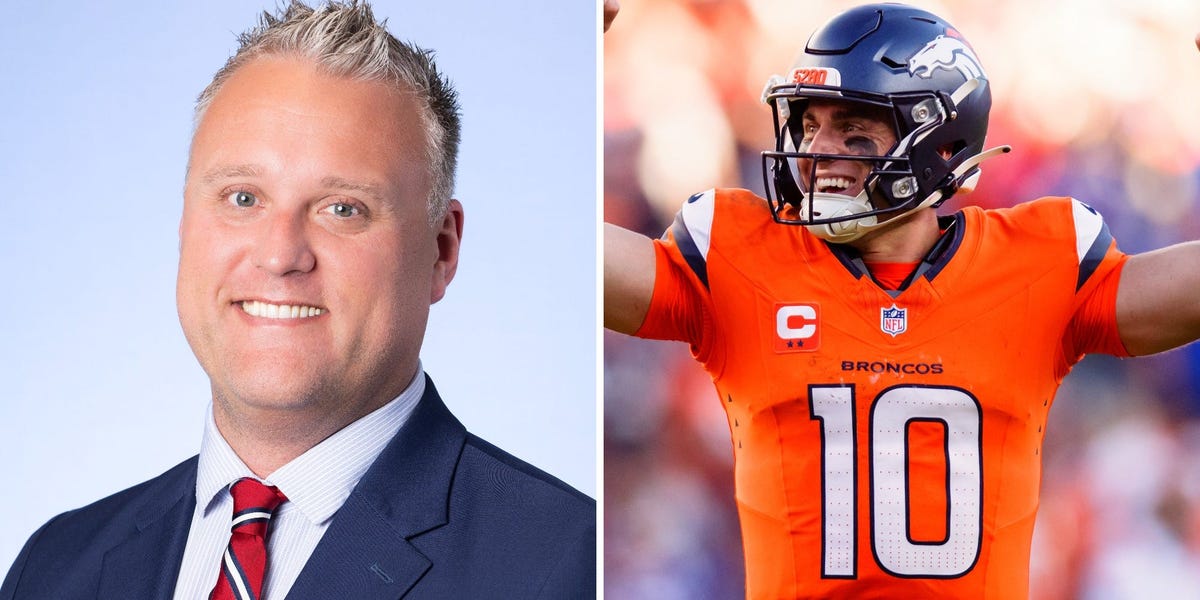
I'm a sports medicine doctor who works with NFL players. I wish more people would stop following 'no pain, no gain.' Aaron Mates works with teams in the NFL and MLB. Courtesy of Aaron Mates This as-told-to essay is based on a conversation with Dr. Aaron Mates. It has been edited for length and clarity.You know the adage, no pain, no gain? Well, it's time we all drove that from our minds.I'm an orthopedic surgeon and sports medicine doctor. I currently work with the Denver Broncos and the Toronto Blue Jays. I also have an active community practice, so I see professional athletes and community members each week.Professional athletes have an emphasis on healing and maintaining their bodies, which I wish more community members would understand. Whether you're chasing longevity in your NFL career or your day-to-day life, here's how to approach it.Ditch no pain, no gainWhen you leave a workout, you should feel good. You shouldn't be in any pain. That's a change of perspective for many people, and it's an important one. You don't want to push yourself so hard that you break down.Modify exercises, and skip high-impactThere's no shame in modifying exercises. In fact, it's often a smart choice. High-impact, repetitive exercises increase your risk for injury. Maybe instead of doing 20 burpees, you do a sprint on the rower, getting a lot of the same benefits with less risk.Even my pro athletes modify all the time. If someone is recovering from a rotator cuff injury, we remove the bench press from their workouts, opting for pulling rather than pushing. Often, those modifications become permanent. If you have a history of herniated disks, for example, it's unlikely I'll ever recommend you do deadlifts again.Stretch throughout the dayStretching is one of the most important yet overlooked parts of being able to move well in the long term. As we age, we become deconditioned in the areas where our ligaments attach to the bone. This increases the risk of enthesopathy, or injuries to these areas — such as Achilles tendonitis or plantar fasciitis. It's especially important to stretch your hamstrings and calves throughout the day. People who sit (most of us, these days) become very tight through their posterior chain. This tilts the pelvis forward and puts strain on the back. Just a few minutes of stretching while you're waiting in line, pumping gas, or sipping your coffee can make a difference.Skip the pills and potionsThere's a ton of marketing around health supplements, and it confuses people. The truth is simple: the healthiest diet is one full of whole, clean foods. If it's bagged or boxed, you shouldn't be eating it. That's not always easy — I know that as a busy surgeon — but it's something to aspire to.For the most part, you can skip the potions that promise better gut health, faster recovery, and anything else. The best way for your body to get what it needs is from clean, whole foods.Scrutinize new treatmentsThere's a lot of junk science in longevity medicine. Patients are often sold big promises, with more hype than hope.The future is bright for treatments like stem cells. And yet, for now, the science just isn't there to know about the best use cases. We need to continue to scientifically interrogate these technologies to know when they're appropriate to use. Unfortunately, many practitioners can provide treatment without understanding the full scope of the science.There's typically no quick fix for pain or injury. But getting back to basics — like stretching, eating well, and adapting your workouts — will help you recover and continue moving well into old age.Don't rely too much on trackersHealth monitoring technology — like smart rings and bracelets — is a mixed bag, in my opinion. Professional athletes can provide reliable data for tracking performance over time. But for community members, they're largely unnecessary.Sometimes, they cause anxiety or give a false sense of security. You don't need a ring to tell you whether you slept well; your body already has that information. In general, the more we can step away from technology, the better we'll be. Read next Business Insider tells the innovative stories you want to know Business Insider tells the innovative stories you want to know Business Insider tells the innovative stories you want to know Business Insider tells the innovative stories you want to know Kelly Burch has been writing about personal finance for more than a decade.She's particularly interested in how finances impact the most intimate parts of a person’s life, from educational and reproductive choices to love, immigration, or estate planning. Kelly has written about these topics personally and explored them with experts, including entrepreneurs, multi-millionaires, financial planners, and more.Kelly is a first-generation college graduate and homeowner who integrates her personal experience creating financial stability into her reporting. She’s a career journalist, with work appearing in “The Washington Post,” “The Chicago Tribune,” “Boston Magazine” and more.Kelly lives in rural New Hampshire with her husband, two children, and two dogs. When she’s not behind her desk, she can be found getting lost in the mountains and lakes around her home.Follow her on Facebook or Twitter, or learn more here. as told to NFL
I'm a sports medicine doctor who works with NFL players. I wish more people would stop following 'no pain, no gain.'
Full Article
Original Source
Read the full article at Businessinsider →KhanList aggregates and links to publicly available news content. We do not host full articles from third-party sources. Always verify important information with original sources.