
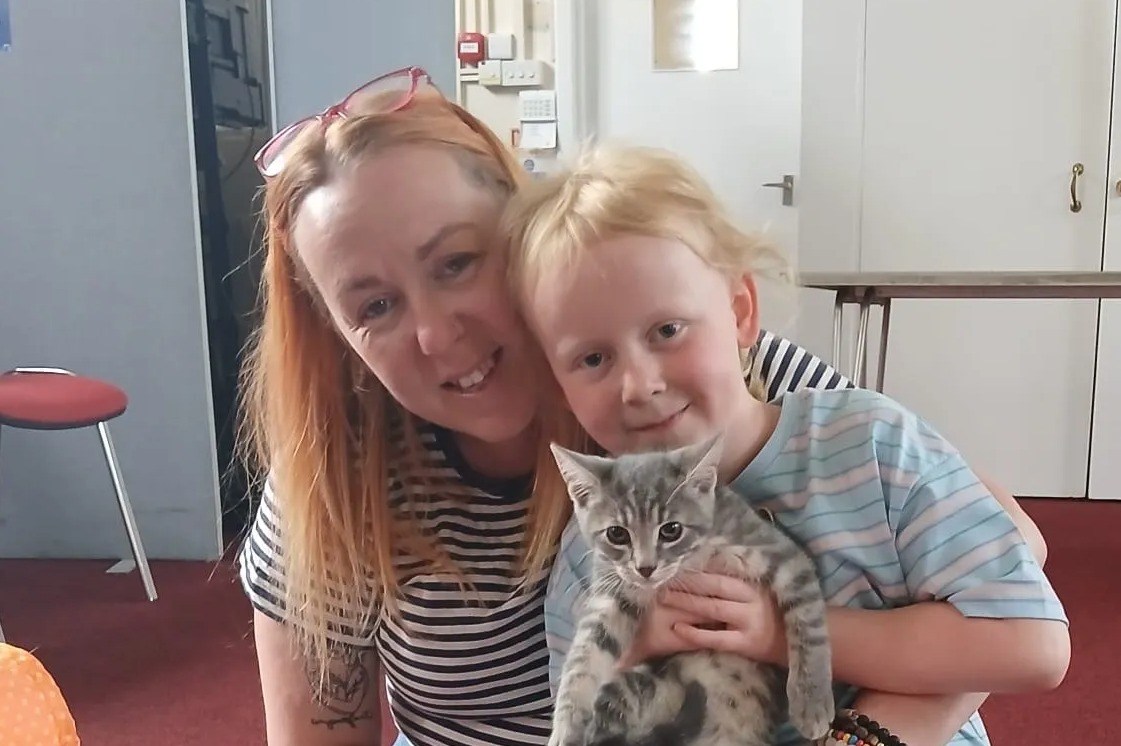
KAYLEIGH Ballard couldn’t stop her mind from racing as another flood of brown envelopes steamed through her letterbox. The single mum-of-two felt her heart beat faster as she looked to her left at a pile of unopened letters from her energy and water providers, her local council and landlord asking her to repay the debts she owed – which totalled more than £28,000. Single mum of two Kayleigh Ballard with her daughter Penny Credit: Kayleigh Ballard Kayleigh ended up £28,000 in debt after her spending spiralled out of control Credit: Kayleigh Ballard “I felt like Harry Potter when the letters just kept coming through the door,” she said. “I just kept thinking ‘leave us alone, just leave us alone’.” Kayleigh, 37, used to work as a travel agent but was made redundant in 2020 while on maternity leave with her daughter Penny during the first Covid lockdown. Sign up for the Money newsletter Thank you! Although she received maternity pay of £113 a month, she wasn’t given a redundancy payment. At the time she was suffering with postnatal depression, which was made worse by being unable to leave her home to see family and friends. Desperate for a way to feel better, she turned to online shopping for a quick dopamine boost. At first she was buying new clothes for Penny and toys for her other daughter Summer, including colouring books and paints. The young mum now plans to get her finances back on track in just one year Credit: Kayleigh Ballard Kayleigh explains how she did it and you can too Credit: Kayleigh Ballard Then Kayleigh started to make bigger purchases, such as outdoor toys for her family, including a paddling pool and slip-and-side. But within weeks Kayleigh’s spending was out of control and she started buying things she didn’t need just to try and feel better. Most read in Money She said: “I started ordering excessive amounts of food that we didn’t need. “When other parcels would arrive I would have already had the dopamine hit, so the parcels just piled up unopened.” Kayleigh was later diagnosed with ADHD, which she said means her brain doesn’t produce dopamine as it should. She has also been diagnosed with dissociative identity disorder, which causes regular changes in her personality. When the Covid restrictions were lifted Kayleigh was desperate to leave the house, so she spent excessive amounts of money on outings and activities for her family, even though she couldn’t afford them. What is a Debt Relief Order? A Debt Relief Order (DRO) is a free way to deal with your debts if you can't afford to pay them. You need to apply through an approved debt adviser and meet certain eligibility criteria, including: You need to owe less than £50,000 in total Have savings or valuable items worth less than £2,000 in total Own a vehicle worth less than £4,000 Do not have enough money left at the end of the month to make your debt repayments Have lived or worked in England and Wales in the last 3 years Are not currently bankrupt, have an interim order or an individual voluntary arrangement Have not had a DRO in the last 6 years You can include credit cards, overdrafts, loans, rent arrears, utilities, council tax, income tax, Buy Now Pay Later agreements, benefits overpayments and money you owe to friends and family. A DRO normally lasts 12 months, after which you don’t have to pay the debts anymore. During the DRO you stop making payments towards the debts and any interest that are part of it. A DRO stays on your credit file for six years from the date it is approved, which can make it difficult for you to get credit or rent a home. Meanwhile, you can’t borrow £500 or more from a lender without letting them know that you have a DRO. Kayleigh said: “I thought, ‘we can afford to do this, we can go and do that’ but we couldn’t really. I just wanted to be out of the house.” But reality set in as Kayleigh started to fall behind on her bills. She explains: “The gas and electric was the one that I fell behind on first, and then it sort of spiralled out with the other bills, including the rent. “I wouldn’t pay the full amount of the rent so I’d just pay half of it.” Kayleigh was forced to decide between which bills she could pay and began to pay small sums to each one. Then in 2023 she reached rock bottom after her relationship broke down. Her partner had not been paying anything towards the family’s bills and he didn’t know about her spending. Kayleigh said: “I wasn’t very well and my finances spiralled out of control. I didn’t pay any bills including my council tax, water and electricity. “I was getting loads of letters and wasn’t even opening them. I just buried my head in the sand and hoped it would all just go away.” By 2025 Kayleigh was £28,000 in debt, which included £6,500 she owed to her energy provider. She had no way to pay the cash back as she was receiving £2,000 a month from universal credit, child benefit and her job as a church cleaner, which paid £137 a month. Worried that bailiffs would show up at her door, Kayleigh began to keep her windows and doors locked at all times. She said: “I just kept thinking something was going to happen soon and bailiffs would come and take all my stuff.” Kayleigh’s mum was desperate to help so she contacted StepChange, which recommended that she speak to debt advice charity Money Wellness. Advisers recommended that Kayleigh apply for a free Debt Relief Order, which would pause her repayments and interest for 12 months. If her financial situation doesn’t improve in 12 months then her debts will be written off. Kayleigh applied for a Debt Relief Order (DRO) in April this year and it was approved, which she said felt amazing. “Not having the letters come through the door, it feels like a weight has been lifted,” she said. “Fingers crossed, as of April next year I won’t have any debts.” During the DRO Kayleigh won’t have to make any payments towards her debt and the interest and charges on the money she owes is frozen. The companies she owes the money to also can’t take legal action or contact her to collect the debt without court permission. But she’ll still need to pay for her usual household expenses during the DRO. If her income increases or she has a substantial change in circumstances then the DRO could be taken off her. Kayleigh plans to continue with her job and keep up with her bills during the next year to make sure she doesn’t breach the terms of her DRO. She has also developed coping skills to manage her conditions and the impact on her spending. She said: “I’ve changed my behavioural patterns to match my budget, instead of acting as if I’ve got loads of money in the bank when I haven’t. “I don’t ever want to get into that position again so I’m really strict with myself now. I tell myself I don’t need this or that and I’m always counting the pennies.” Comment now
I’m a single mum and spiralled into £28k of debt – my one year plan to clear it and how I’ve changed my spending habits
Full Article
Original Source
Read the full article at Thesun →KhanList aggregates and links to publicly available news content. We do not host full articles from third-party sources. Always verify important information with original sources.