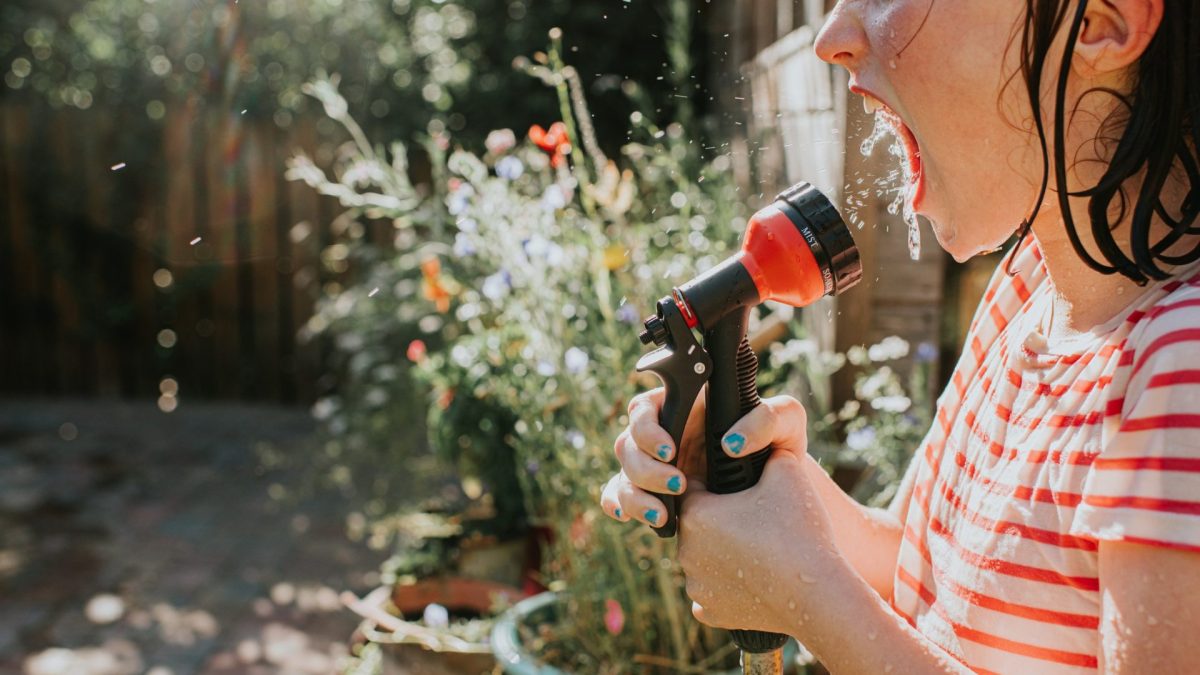
As temperatures continue to rise across the UK, sleeping, working and going about daily life can become more challenging. As adults adjust their lifestyles to stay comfortable and safe during the summer months, children may need extra support too. Paediatrician Ranj Singh explains: “Children have a larger skin surface area relative to their body weight, meaning they gain heat from the environment more quickly and can also lose water more rapidly than adults.” He continues: “Their temperature-regulating systems are still developing, meaning they don’t regulate their body temperature as efficiently as adults, particularly younger children and babies. “Also, younger children may not recognise when they’re overheating, or be able to communicate it, especially if they have extra needs. People often confuse children for small adults, but this is a mistake.” Here, Dr Ranj has compiled his advice on how adults can help children stay happy and healthy as we enter another heatwave, and the mistakes to avoid. Dr. Ranj Singh and his new Human Body Encyclopedia (Photo: Provided) Not allowing play “Hot weather doesn’t mean children should stay indoors, but parents may need to be a little more hands-on than usual. Children can become so absorbed in play that they fail to notice when they’re thirsty, tired, or overheating, which is fine, as it’s their job to have fun. Adults need to be the ones encouraging regular drink and shade breaks and monitoring their wellbeing. You want to plan their days so they avoid intense physical activity during the hottest parts of the day, usually the afternoon. Supervised water play, such as a paddling pool or a water fight, can be a fun and effective way to bring down their temperature while still allowing them to enjoy being outdoors. Just be conscious of not using too much water, as we need to consider the environment.” Worrying too much about food consumption “I wouldn’t panic so much about how much food children are consuming, as it’s completely normal to eat a little less during hot weather because our bodies naturally suppress appetite when we are trying to keep cool. Hydration is the priority. Water-rich foods such as fruit, some of which can be frozen like blueberries and mango. Whole frozen grapes are a choking hazard for young children. They should be avoided unless prepared appropriately for their age; salads and vegetables can help boost hydration and may feel more appealing in hot weather. Jelly is a fun treat with high water content, too. Ice lollies are good for hydration (Photo: Burke/Triolo Productions/Getty/The Image Bank RF) Plain water is best for hydration, but it can be difficult to get children to drink enough, so adding squash can help. Choose a sugar-free squash where possible if they will be consuming it in substantial quantities. You can even use colourful, interesting water bottles with silly straws if that makes drinking more exciting for them. Give positive feedback when they finish a glass so they are encouraged to do it again. Ice lollies can also be fun, and if your child is really dehydrated, perhaps if they have a stomach bug or they’ve been really active, then you can add an oral rehydration solution to them. While water is best for regular daily intake, if a child has become dehydrated because of vomiting, diarrhoea or prolonged heavy sweating, an oral rehydration solution can replace water and important salts more effectively than water alone.” Expecting children not to copy “Creating a pleasant environment at home for children is important, but the good news is that you don’t need to do anything fancy. Keep your curtains closed during the day, then open the windows in the evenings, and set up a bowl of ice in front of a fan in the room where your child spends their time. You’ve got to give them a reason to sit in the cooler places, so make it desirable. Play a game together or do a craft activity. You don’t want to encourage too much screen time, but a TV show may get them to sit still for long enough to cool them down, or a book would do the same. They will model your behaviour, so sitting in direct sunlight and expecting them to go inside is unrealistic. Be in the same places with them.” Remember to dress them appropriately for the weather (Photo: Oscar Wong/Getty/Moment RF) Not considering clothing “You want to protect key areas – get them to wear a hat, so their face is in the shade, and sunglasses to protect their eyes. Loose-fitting, breathable, light-coloured clothing reduces direct sun exposure and is generally the best choice. It’s a good idea to keep a flannel nearby you can soak in water and place it on them to help cool them down.” Changing the nighttime routine “Ideally, you don’t want to get into a pattern of later nights and tough mornings, so stick to the same bedtime. Instead, make adaptations to help them get their usual sleep. During the day, you could put their pillowcase and duvet cover in a plastic bag and place it in the freezer. Take it out just before bedtime, and make sure it’s not too cold, so the bed is welcoming. Give them a tepid bath or shower before they get into their pyjamas, as it will cool them down and it forms part of the signalling process to the body and brain that it’s time to sleep.” Not paying attention to warning signs “Most children will feel the effects of hot weather to some degree. While the human body has some ability to self-regulate, if you are continually exposed to hot temperatures, you can enter heat exhaustion. As little ones can’t explain what is happening as well as adults, parents or caregivers should look out for signs including tiredness, thirst, confusion, irritability, headaches, dizziness, dark urine, or not producing as much urine. These signs don’t necessarily mean a child is seriously unwell, but they are a signal to help them cool down, rest and rehydrate. If children are old enough to understand, it can be worthwhile to talk to them about how the heat is affecting them and encourage them to tell you how they feel. Call 999 or go to A&E immediately if a child becomes confused, loses consciousness, has a seizure, or remains extremely hot despite cooling measures. These can all be signs of heatstroke, which is a medical emergency.” ‘Dr Ranj’s Human Body Encyclopedia‘ (DK Children, £20) is out now.
I’m a paediatric doctor – the six mistakes parents make in a heatwave
Full Article
Original Source
Read the full article at Inews →KhanList aggregates and links to publicly available news content. We do not host full articles from third-party sources. Always verify important information with original sources.