
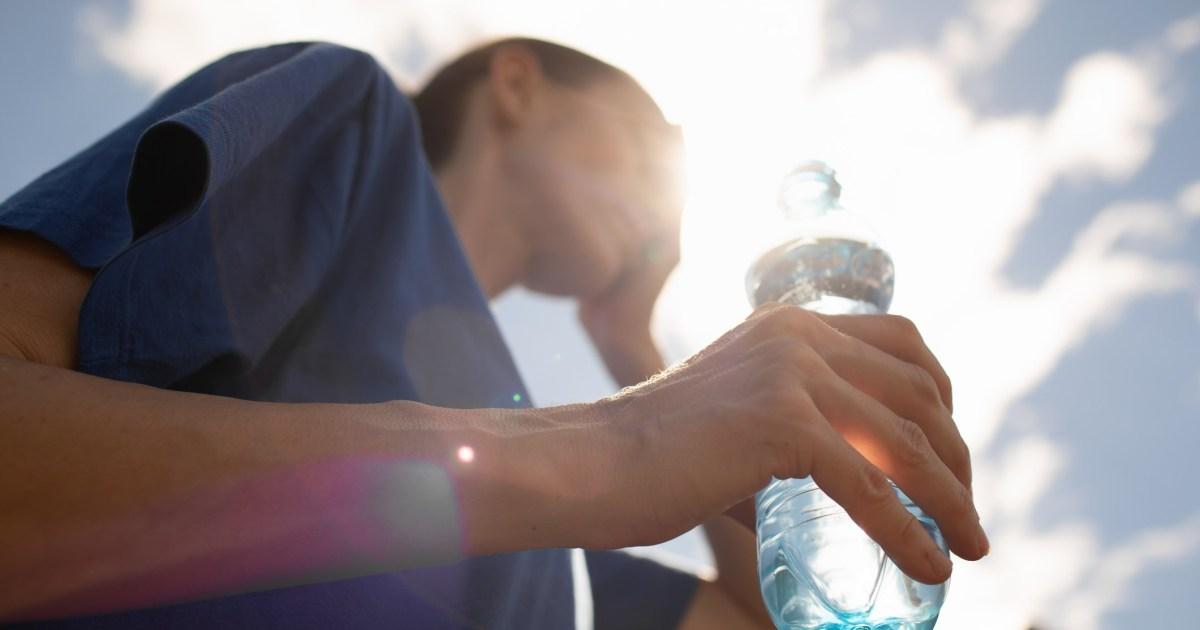
It’s possible to have too much for a good thing (Picture: Getty Images) As temperatures climb, so do the reminders to drink more water, with signage posted everywhere from GP surgery waiting rooms to public transport stations. There’s a good reason these campaigns ramp up over summer. Staying hydrated is one of the most important ways to protect yourself during a heatwave, helping your body regulate its temperature and reducing the risk of dehydration and heat-related illness. However, there’s such a thing as going too hard on the H₂O. While it’s far less common than dehydration, overhydration — also called water intoxication, water poisoning or hyperhydration — is a dangerous condition that can occur with excessive water consumption. Ask Metro Use AI to go deeper into the stories you care about – powered by Metro and trusted publications. Thankfully, severe cases are rare, but recognising the warning signs can help you avoid overdoing it when the sun’s out. What happens when you drink too much water? ‘Electrolytes are essential minerals, such as sodium, potassium, and calcium, which carry a positive or negative electrical charge when dissolved in bodily fluids like blood,’ Kelly Fisher, nurse turned clinical health and wellbeing educator at Benenden Health tells Metro. ‘They play a crucial role in regulating nerve signals, muscle contractions, and hydration levels to keep your heart, brain, and organs functioning properly.’ It’s all down to electrolytes (Picture: Getty Images) When you consume more water than your body can process, this creates a chemical imbalance, essentially diluting your bloodstream’s electrolyte content. And if sodium levels fall too low, a condition known as hyponatraemia can develop, causing water to move into the body’s cells and leading to symptoms ranging from mild headaches and nausea to seizures and loss of consciousness — or in rare instances, death. Symptoms of water intoxication When it comes to early signs your fluid balance is off, Kelly says the colour of your urine is a ‘key indicator’ to look out for, explaining: ‘Clear urine can be a sign that you are overhydrated, while a consistently pale-yellow urine colour can mean that you have good hydration levels.’ Other common overhydration symptoms include: Nausea Vomiting Diarrhoea Headaches Muscle cramps Swelling Bloating Fatigue As sodium levels continue to fall, symptoms can become much more serious. Severe confusion, seizures, difficulty staying awake or loss of consciousness are medical emergencies and require immediate treatment. How much water do you actually need? The British Dietetic Association recommends adults drink around 1.5-2 litres of fluid a day; and since a typical mug or glass is about 200 millilitres, you’re looking at roughly 8-10 drinks. Your fluid requirements depend on factors such as your age, body size, activity levels, and your overall health. For example, children need slightly less — around 6-8 drinks a day. Heat also factors in, with Wendy Lee, deputy superintendent at Well Pharmacy commenting: ‘In hot weather, most adults should aim to drink 2.5 to 3 litres of water daily to replenish fluids lost through sweating.’ Deals of the Day Wuka launches the UK’s first period-proof swimwear for heavy flows Bridgerton fans are rushing to buy these new Netflix-inspired perfumes now £12 off The affordable summer wardrobe update you'll wear from rooftop drinks to beach holidays The £7.99 lip balm beauty fans love for glossy, hydrated lips just dropped four new shades This Keskine hydrogel mask could fix your summer skin That said, she warns not to exceed 1.5 litres per hour, ‘as this can dangerously lower your blood salt levels.’ How to hydrate safely None of this means you should stop drinking water. Instead, it’s about finding a happy medium between too much and not enough. Listen to your body’s thirst cues According to Kelly, this is ‘one of the most reliable ways to maintain internal fluid balance’, and ‘you can also pace your intake by sipping fluids gradually and only when you are thirsty.’ Adjust based on activity and environment ‘Being flexible with your intake helps to avoid both dehydration and overhydration,’ explains the expert. Alongside your body’s signals, consider where you are and what you’re doing; you’ll likely need to make upping your intake more of a priority after an outdoor summer workout compared to a cool day sat at home. Boost your electrolytes mindfully ‘Natural electrolytes can be sourced directly from whole foods like spinach, nuts, bananas, and avocados,’ says Kelly. While many people also use electrolyte supplements to replenish their minerals in the heat, she stresses: ‘For most people with a balanced diet and moderate activity levels, additional electrolytes are not usually necessary.’ In some cases, they can even cause an imbalance on the opposite end of the scale, so should be taken in moderation and in certain circumstances, such as if you’re exercising for longer than an hour. Seek advice and know when to get help Kelly adds: ‘If you are unsure about your hydration needs or are experiencing symptoms such as persistent nausea, headaches, swelling, or confusion, it’s important to seek medical advice.’ Do you have a story you’d like to share? Get in touch by emailing MetroLifestyleTeam@metro.co.uk Arrow MORE: It’s finally going to cool down this weekend – but not for long Arrow MORE: More than 100 Londoners have drowned since 2020 and heatwave creates more risks Arrow MORE: I’m a fashion editor and these are the linen buys worth adding to basket before the heatwave The Slice Your free newsletter guide to the best London has on offer, from drinks deals to restaurant reviews.
I’m a nurse — these are the key signs of heatwave overhydration
Full Article
Original Source
Read the full article at Metro →KhanList aggregates and links to publicly available news content. We do not host full articles from third-party sources. Always verify important information with original sources.