
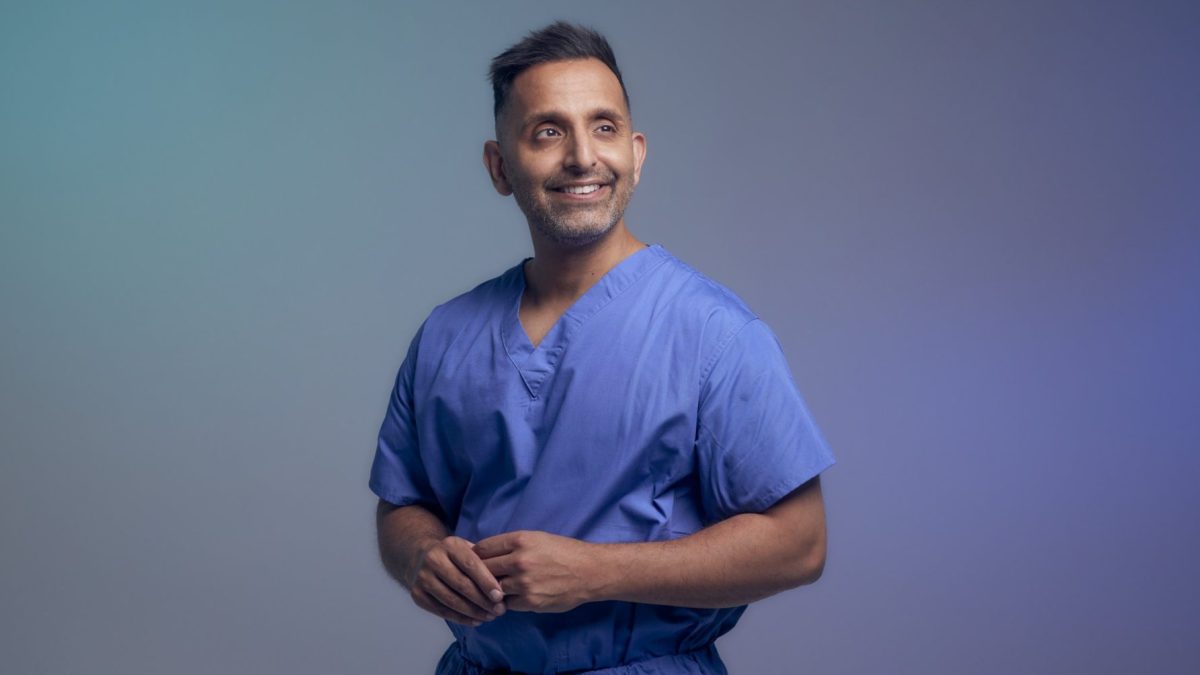
Dr Amir Khan is a full-time NHS GP and bestselling author working in inner-city Bradford. He is also known as a podcast host, a resident doctor on TV and his insightful, practical advice about everything from sleep to menopause has garnered him 1.1 million followers on Instagram. In his latest column for The i Paper, he recalls his experience with the increasing demand for fit notes (previously known as sick notes) which are required from a healthcare professional if you are off sick for more than seven days. According to the Centre for Social Justice, 40,000 people were signed off work every day by GPs over 2025. Interview by Sadhbh O’Sullivan. Since the Covid-19 pandemic, I have definitely seen an increase in people requesting fit notes in my own practice – and that’s backed up by the numbers. But I would say the vast majority of these are from patients seeking them for legitimate reasons. If I had to put a number on it, it’s maybe one in seven to one in 10. Shorts I can attribute most of the increase to work-related stress, and perhaps some muscular or skeletal disorders – and I think that’s a real reflection of the state of society. It’s no one particular industry, but across the board I’m seeing people who don’t feel supported in work and are struggling with the demands that are being put upon them. Often the story is: “I’m now doing the job of two or three people because of redundancies in that work environment.” But there’s also issues around bullying and management of people that I’ve seen too, and that all leads to this huge impact on their workload and their mental health. That leads to them feeling that they can’t do their job safely and then coming to ask for a fit note while they just gather themselves. The increase in fit notes is a symptom of a wider problem. The pressures of feeding your family, paying your bills, taking care of your home – all of those economic pressures put a huge weight on people and have also impacted people’s workplaces, making their ability to do their job harder. We are seeing an increase in certain chronic conditions, chronic pain, musculoskeletal conditions, and I read recently there’s an increase in younger people with cancer, too. All these chronic conditions are on the rise alongside a deepening cost of living crisis and societal pressures, mental health pressures. It’s all the perfect storm. So, of course that’s going to lead to more fit notes. What people focus on is the end product of that rather than the cause that leads up to that. I feel really despondent about the headlines about Britain’s “broken sick-note culture”. They’re just there to get people to think: “We’ve got to stop this benefits system, we’ve got to get people back into work.” But I see the people at the end of those sick notes and my job is not to look at people as economic units that we need to contribute to society. It’s to look at people in a very holistic way and get them as physically and mentally well as possible – and so many people simply aren’t. Of course, there will always be people who try and play any system. I absolutely do see people who ask for fit notes who I actually feel, with the right support, could go back to work sooner – younger people with things like back pain or joint pain, for example. That is 100 per cent part of the problem. But the issue is that those people have been made to be the representatives of the entire system. What makes it challenging as GPs is that we have to be advocates for the patients. We have to foster a long-term positive relationship with the patient, and I often challenge these people when they come in. That is a very tricky consultation to have. They don’t feel like you’re supporting them in the role that you should be doing. We have become the gatekeepers for wider society for these things, while simultaneously advocating for our patients. It’s really challenging. That’s why I wouldn’t say it’s easy to get a fit note. They have to scrabble for an appointment to see a GP, which is not easy in the first place, and we have to really listen to understand what is affecting them and why. There are instances where going to work is better for them and that’s what I’ll recommend. But there are plenty of people who really need that time off to enable them to return to work. And that doesn’t just mean they feel well enough – the work environment and the social pressures around them also need to be adjusted so that people feel safe and secure and well enough to do their job properly. It isn’t just a case of being more resilient or toughening up. These patients are a symptom of that wider picture. They are not the reason we need to be angry at this entire system. They are the outcome of so many different things failing at the same time: the cuts to community support for mental health, the NHS struggles, the waiting lists for specialists. That’s why this happens, not because people are chancers.
I’m a GP – this is what I consider when assessing sick note requests
Full Article
Original Source
Read the full article at Inews →KhanList aggregates and links to publicly available news content. We do not host full articles from third-party sources. Always verify important information with original sources.