
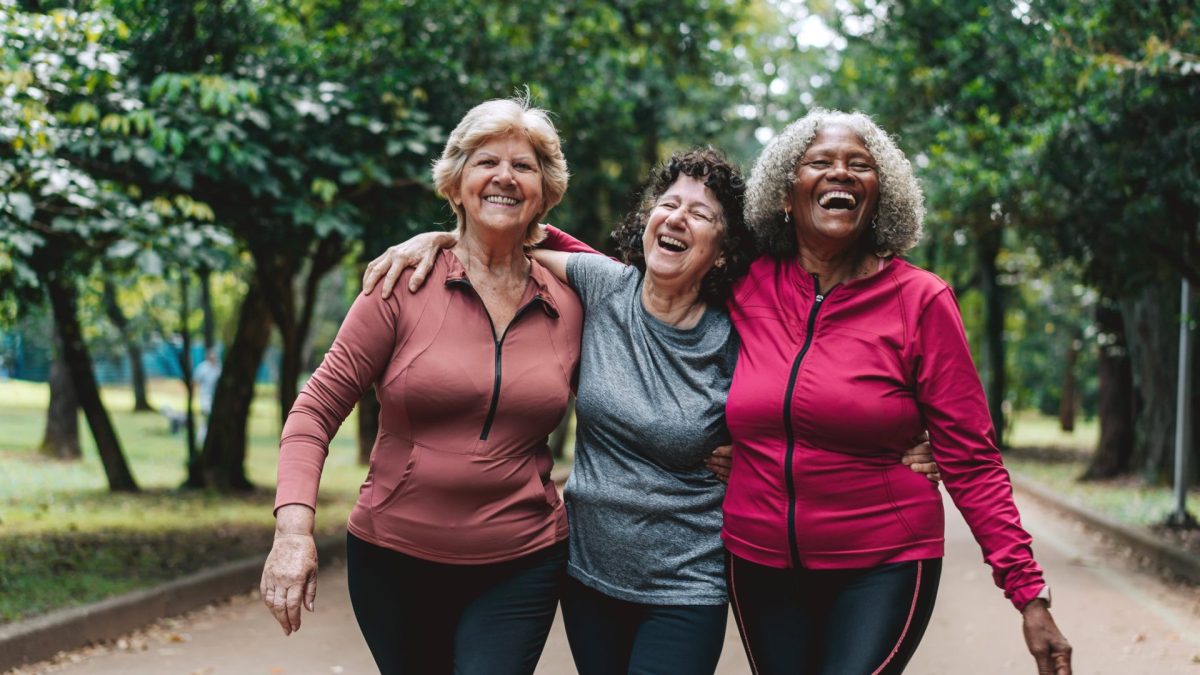
Some things in life are inevitable. As the playwright Christopher Bullock, who wrote the Cobbler of Preston, brought to our attention back in 1716 with the famous line, “tis impossible to be sure of anything but death and taxes”. But some things don’t have to be so certain – or at least, there are things that we can do to ameliorate their impact. And one of the those is how we age, and what we attribute to ageing. Getting older is a natural and inevitable phase of life, but “being old” and “feeling old” are definitely not. These are labels that we give ourselves. Of course, accepting we are older is healthy – because denial and resistance just leads to low mood or frustration and also can actually mean we age less well. If we push back against the natural changes to our body and mind, we sometimes don’t focus on prevention and how we can adapt. We don’t just want to live longer (our life span), but we need to focus on living for longer in good health where we can do the things we want and need to do (our health span). Shorts There are lots of physical, mental and emotional symptoms that we can rightly attribute to getting older; less skin elasticity, a reduction of muscle and physical strength, changes in flexibility and sleep requirements. But, sometimes, because society has such a toxic attitude towards ageing, we can become “old before our time” and we may dismiss some health changes as “just part of being older”.The danger with this is twofold – we can either ignore “red flag” symptoms that need investigation, and secondly, we just accept what is happening and slip into “feeling old” way too soon. Research has shown that having a more optimistic and proactive attitude to getting older means we live longer and we have less risk of chronic disease, and potentially better cognitive function. In short, attitude matters. Here are seven health changes that we often dismiss as just part of getting older but actually need our attention. Tiredness We will all inevitably feel less energetic at times as we get older. We lose the energy producing power houses in our cells called mitochondria, our heart does not pump as efficiently as before and hormones like oestrogen, testosterone and growth hormone levels drop. All of these natural changes can make us feel more tired as we get older. But, if we feel tired all the time and cannot pinpoint a reason for this, then it may be a red flag. Certain conditions – including anaemia, diabetes, thyroid hormone disturbance, viruses and sleep apnoea –could be contributing, so consult your doctor. If there are no underlying medical conditions the next step is to think about what you can do to feel more energised. One major factor is your sleep, but another step you could take is to get more physically active because exercise releases dopamine, serotonin and endorphins which boost mood and alertness. It also helps oxygen being delivered all around your body, and supports those mitochondria power houses inside your cells. Think about your stress levels too and trial some proven tension reduction techniques like progressive muscular relaxation, meditation, deep breathing exercises, and mindfulness. And lastly, reflect on your attitude; write down some words in a journal that come into your mind when you think of being older. If they are negative, interrogate your belief systems and reframe your thinking to be more positive. Tiredness can be a sign of other issues (Photo: Catherine Falls Commercial/Getty) Aching joints As we age, we get a reduction in the number, mass and strength of our muscle fibres, and they repair less quickly after injury. Our ligaments and tendons (which hold our muscles onto our bones) lose flexibility, protective joint cartilage becomes thinner, and there is less synovial fluid which lubricates joint surfaces. So, we may experience muscle aches or joint pain from time to time. However, if we get persistent symptoms like this, it limits what we can do, we get a pattern to the symptoms, or we get associated swelling, redness or rashes of the skin, we need to highlight this to a doctor in order to exclude any underlying arthritis, autoimmune disease or infection. If there is nothing underlying, then we need to combine regular low impact exercise like walking, swimming or cycling, with strength training and a balanced diet with enough protein. Disturbed sleep As we get older, we still need seven to nine hours of sleep each night – but the pattern and how we sleep will change. Our internal body clock (circadian rhythm) shifts forward so we wake up earlier in the morning and feel tired earlier in the evening, we wake up more during the night, and we spend more time in light sleep stages and cycles during the time asleep, so we have less restorative sleep. All of these things happen because our body produces less melatonin (sleep hormone). Red flags to watch out for with disturbed sleep (insomnia) can include breathing problems like sleep apnoea, stress or mental health difficulties, heart failure, chronic pain, digestive reflux, hormone shifts like menopause or an overactive thyroid gland. If none of these are underlying, then try changing your sleep routine; go to bed and get up at the same time every day no matter what and avoid caffeine, nicotine and alcohol in the evening and eating late. Keep your bedroom cool (18°C) and dark, and avoid looking at devices that emit blue light for at least an hour, if not more in the evening. One of the most effective things you can do, is to get into a routine that relaxes you before bed, like reading a book or having a bath. And, if you wake up in the night and can’t get back to sleep for about 15-20minutes, then try getting up and going to a different room and listening to the radio or an audiobook, or reading a book. Poor sleep leads to higher risk of cognitive problems, concentration, mood disturbance and some chronic health conditions. Hearing As we age, we get something called presbycusis, which means we find it harder to hear high pitched sounds, background noise can make conversations harder to filter out, and speech sounds more muffled. This is all because the delicate hair calls inside our inner ear go through some wear and tear, and we get changes in the nerve pathways from the ear to the brain that carry the electrical signals that help us interpret sounds. All of this is natural – however, we need to make sure we have regular hearing tests to make sure we are keeping track of when we may need extra support like a hearing aid. We also need to be alert to any other conditions that may present with sudden hearing loss – asymmetrical hearing loss, associated dizziness or vertigo, tinnitus or any linked nerve symptoms like numbness or weakness. Low levels of hearing loss have been associated with an increased risk of developing dementia and cognition, so we do need to pay attention to our ears. It’s important to socialise as we get older (Photo: Maskot/Getty) Friendships Research has shown that our social networking peak (the number of friends or social interactions) is around 25 years of age, with a rapidly reducing network between ages 30-49 years, and then as we get older, 40 per cent of us report we have five or more dependable friends, and as we get older still, we tends to have smaller but closer social networks. This pattern tends to occur because of the changes in life responsibilities, caring roles and the nature of steady jobs, relationships and more permanent locations, so we have less exposure to new people. As we get older, we may find ourselves spending more time on our own or with people we really trust. This can be a good thing, but when it tips into loneliness or social isolation, research has shown we may actually age faster on a biological level. Sometimes, practical issues can keep us away from seeing people, but sometimes it can be a sign of a self-imposed isolation as a result of depression, anxiety, low self esteem or overwhelm. As we get older, it is important to socialise so we feel connected, we get regular bursts of oxytocin, dopamine and serotonin, and so we keep our social skills up to scratch. Research has shown that our ability to read body language and social cues is a habit and we need practice at it to enable us to interpret the signals accurately. Try new things, plan your diary in advance, choose easy, inexpensive ways to meet up with others, and answer your phone to talk rather than texting. Regular social interaction can help protect against memory loss. Cognition We can sometimes too easily attribute changes in our memory, concentration or attention to just getting older, and in some cases this may be true. It may take longer to process new information, holding temporary information in our memory may be trickier, and planning or organising may take more effort. But these normal age-related changes do not stop someone from handling everyday routines or living independently. If we have symptoms of confusion over place or time, are struggling to follow a conversation or are getting confused over familiar daily tasks, having difficulty concentrating or experiencing memory loss, then we need to see a GP to exclude any underlying cause like dementia. If none of these are found, then we need to focus on prevention and change up our activities. This might be cognitive challenges like learning a new skill, puzzle completion, or changing routines to prioritise sleep or get active. We shoudl also choose a healthy diet with lots of fish, vegetables and limited processed foods. Purpose Getting older can bring a sense of disorientation about who we are now, and where we go from here. We go through many different phases of life and getting older means we may be approaching pre-retirement or retirement planning, children becoming adults, a change in responsibilities or caring roles, and asking ourselves what comes next. If we aren’t prepared for these big life changes or events, then we can sometimes develop low mood, apathy, depression, anxiety and a loss of direction. These are all red flags in terms of our mental and physical health. Research has shown that if we have a strong sense of purpose, we have a significantly reduced risk of dying, better cardiovascular health and lowers the risk of dementia.So, what can we do to refashion our sense of purpose as we get older? We can think about who we are now, what is important to us, what we want from this phase of life, what matters to us and how we might use our time to take action towards this. Investing in this now will pay dividends.
I’m a GP – don’t dismiss these seven health changes as just ageing
Full Article
Original Source
Read the full article at Inews →KhanList aggregates and links to publicly available news content. We do not host full articles from third-party sources. Always verify important information with original sources.