
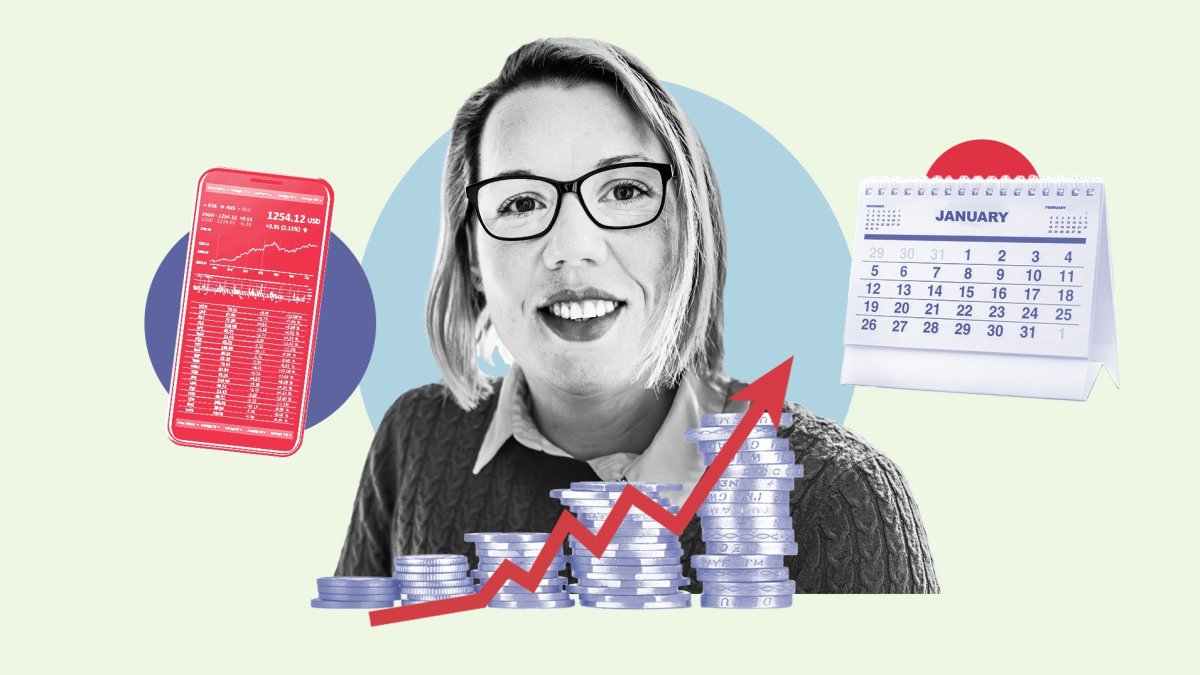
In our Pension Diaries series, we speak to people of all ages in the UK to find out how much or how little they have saved for retirement – as well as the realities of putting money aside for your future. This week, we speak to Jessica Chantler, 37, a financial adviser at Quilter, based in Truro, Cornwall. At 18, she planned to go into a career in opera, but took a change of course after a year working in a bank when she finished college. She has saved for a pension since her late teens, but admits she has prioritised overpaying her mortgage over making large contributions. Tell me about the start of your career I studied music at college and applied to UK conservatoires – specialist higher education institutions dedicated to music, dance, drama and performing arts – to study classical singing. It was clear I had the potential to consider a career in opera, but I wasn’t quite comfortable with the idea of living month to month. A career in opera would have involved a lot of uncertainty. Jessica (centre) originally considered a career in opera before going into financial advice I decided to take a year out while I worked out what I wanted to do and applied for a job in a local high street bank in Truro. While I was in this role, I saw the regulated advice that was given to customers and saw the value it could bring, so I started doing some self-study to work my way up in this career.I started as a financial administrator, then did self-study to move into what’s called a para-planner – working to support financial planners and financial advisers – and then moved into a financial adviser position. In your job, you were exposed to pensions from a young age. Have you always saved into one? When I started working, it was 2007, so it was before “auto-enrolment” – the rule that says employers have to enrol most of their staff into a pension. Pension planning was something I was aware of but didn’t see as affordable initially, as my starting salary was only around £10,000 per year. When I started to self-study soon after, it became clear that saving into a pension was something I should be doing, so I started to pay into a self-invested personal pension, putting £20 a month in. As my salary went up I increased my pension contributions. Under auto-enrolment, this happens for you of course, if you keep the contribution rate the same, but I had to adjust mine upwards. I had a rule that I was always paying in 8 per cent of my salary, though I had no contribution from an employer. Have you ever opted out? I’ve always paid something into a pension and have never opted out entirely. From my mid-twenties until I was 30 I worked as an employee and by this time auto-enrolment existed, so I just used my workplace pension. Since leaving that role, I’m now self-employed as a Quilter adviser, so I pay into my own pension again. It now sits at £115,000, which is relatively modest, but I have other financial priorities. Myself and my partner want to be mortgage-free by the time I am 40 and we are on track to do this. So we focus on large overpayments to our mortgage rather than large pension contributions. Once we’ve achieved that goal, I aim to kick the pension saving up a gear. What other savings vehicles do you use? As well as my pension, I have a stocks and shares ISA I make regular contributions to. But that’s not specifically for retirement. That’s for interim goals. I can use it as a top-up for income because I can access it at any age, whereas my pension I won’t be able to access until I’m at least 57. What is the most common question you get asked about pensions? The biggest question I get asked by clients is: “Is my pension good?” Nobody has a gauge of how their pension will translate to a monthly income. You see lots of figures bandied about for what type or size of pension you need for a good retirement or a comfortable one, but the honest answer is it depends on the life you want to lead. We can go through their finances and examine what a good retirement might look like and what they need, but on the face of it, there’s no ‘yes’ or ‘no’ answer to their question. What’s your golden rule for people and their pensions – particularly those around your age? If you’re in your thirties or forties, you’ve got plenty of time for your pension to grow. Just get started, you can’t go wrong if you do that. It’s good practice to pay in and see it as a bill that’s non-negotiable. It’s OK to focus on other things as long as you’re doing that – as I’m doing with focusing on paying off a liability. How worried should people be about the impact of the stock market jitters recently on their pension? I think it’s fair to be concerned. If you have a defined contribution (DC) pension, your money will be invested in a range of things, including stocks, but remember that investment markets are volatile and they always go up or down. Pensions are long-term investments; the likelihood is that you will see several of these ups and downs during your life and come out the other side fine. Trying to time the market by buying or selling stocks is incredibly difficult, and if you’re paying in regularly, you’ll sometimes buy when markets are down and sometimes when they’re up. You won’t be as badly hit as if you pay in one massive lump sum. I have got investments that are well tailored to me and I have confidence in them over the long term. I’m not going to be taking any knee-jerk movements in response to stock markets going up or down.
I’m a financial adviser. Once I’m mortgage free at 40 I’ll prioritise my £115,000 pension
Full Article
Original Source
Read the full article at Inews →KhanList aggregates and links to publicly available news content. We do not host full articles from third-party sources. Always verify important information with original sources.