
Last week, the actor Lucy Davis, best known for her role as Dawn Tinsley in The Office, revealed that she had metastatic breast cancer. She had found a tiny lump eighteen months ago, but the cancer had already spread to her bones by the time she was diagnosed. The 53-year-old shared on Instagram that it’s too late for chemotherapy and she’s going to make the most of the time she has left. Her news sent chills down my spine. In 2015, I was diagnosed with breast cancer, and I live in fear of that phone call telling me that it’s back and I can’t be cured. I was a 40-year-old breast surgeon at the time. I had no risk factors for breast cancer and no family history. I’d just got into triathlons and I rarely drank alcohol. I also never checked my breasts because I thought it would never happen to me, and I was too young for screening. I’d spent a lot of time breaking bad news, but it’s completely different when you’re on the other side. Within a couple of weeks, I was sitting in a chemo chair, watching the drugs drip into my veins. My life was put on hold for a year of treatment whilst I came to terms with infertility and an instant menopause. Two local recurrences cost me my career. I retired for ill health reasons when I was 43. The life I’d dreamed of having was over. This is the impact of getting breast cancer when you’re forty instead of seventy. Young women’s cancers are picked up later, and seem to grow more quickly I’m now 51, and it’s been three years since my last recurrence on my mastectomy scar. I know there’s a good chance that I will get metastatic disease in the future. My original cancer was 13cm in size and had spread to four of my lymph nodes. I now get monthly injections of a hormone-blocking treatment, but cancer is sneaky, and it can find ways to get around the drugs. Accepting that it might happen makes things easier for me to cope with. I eat well and exercise regularly to lower the odds, but I know ultimately it’s out of my control. Shorts Young women with cancer aren’t treated any differently from our mums and grannies. But young women are more likely to have chemotherapy, because our risk of recurrence is higher. That’s partly because our cancers aren’t picked up through mammogram screening – it’s only when we notice a change that we get checked out. This means that our cancers are often larger when they’re found. And breast cancers in young women can behave differently. While most breast cancers take ten years to grow into a lump you can feel, in young women they can grow and spread more quickly, which is another reason why so many of us have chemo. I spent months beating myself up. If only I’d checked my breasts regularly, I might have avoided chemotherapy. Even though I knew most breast cancers are due to bad luck, I worried that all the alcohol I drank at medical school, coupled with a bad diet as a junior doctor, were partly to blame. Back then, breast cancer in young women was fairly uncommon, but the numbers are steadily growing in women in their twenties, thirties and forties. Diagnoses among these women have risen by 40 per cent in the last twenty years. If you spend any time on social media after a cancer diagnosis, you see breast cancer everywhere. Young women are sharing their stories. It can feel like you’ll be next, but the numbers are still small. In your 30s, your risk rises from one in 4,000 women to one in 3,000 women. However, if you’re the one who’s got cancer, it’s a huge deal. Lucy Davis, best known for her role as Dawn in The Office, has revealed that, at 53, she has metastatic breast cancer. The cancer had already spread to her bones by the time she was diagnosed (Photo: Ian West/PA) Most breast cancers are diagnosed in women in their 60s. The two biggest risk factors are being a woman (simply because you have more breast tissue) and getting older. Like most cancers, the longer you live, the more likely your cells are to make mistakes, develop mutations and become cancerous. The risk of getting breast cancer is actually highest in your 70s, 80s and 90s. That’s why we screen women with mammograms from age 50 to 70 to pick up breast cancer at an early stage. Fewer women are dying of breast cancer. In the 1990s, one in seven women died. Today, thanks to enormous advances in screening, awareness and treatment, it’s one in twenty. Why breast cancer is going up in the under 50s However, the small but unexplained rise in breast cancer in young women is causing concern among experts. It’s also worrying that the number of women like Lucy Davis, who are diagnosed with incurable cancer from the start, is also rising. Data collected by the US National Cancer Institute reported an increase of 1.2 per cent each year, but for the under-40s, it’s going up by 3 per cent each year. So what is causing the rise in cases? The internet is full of people telling you they know why. They are blaming everything from microplastics to Covid vaccines to endocrine-disrupting chemicals called parabens in your cosmetics and toiletries. And while they can make a very good case using studies done on cells in a lab with massive doses of these products, there is no proof that they cause breast cancer in humans. Scientists have proven that three things are driving some of the increase in cases, and the first is obesity. For years, I was taught that being overweight when you were premenopausal slightly lowered your risk, while obesity after menopause increased it. But recent evidence has flipped this on its head. Obesity is now a risk factor for breast cancer in young women, particularly for triple-negative disease, which is harder to treat. Excess body fat can cause chronic inflammation which can trigger mutations in healthy cells. It will be interesting to see what the impact of GLP-1 drugs like Ozempic will be in ten years. It’s not just our body weight, but what we eat as well. Ultra-processed foods (UPFs) hit the headlines in 2023 when The Lancet published a paper stating that people who eat large quantities of UPFs are 10 per cent more likely to get cancer. That sounds terrifying, but it doesn’t mean you have a 1 in 10 chance of getting breast cancer if you eat a takeaway at the weekend. If a woman lives until she’s 80, her lifetime all-cancer risk is about 40 per cent. A 10 per cent increase takes that to 44 per cent. That’s an extra four women getting cancer over 60 years. And the cancer risk was only seen with animal-based UPFs, not bread, cereals or dairy produce. Eating UPFs won’t automatically give you cancer, but if you eat a lot of them, you’re more likely to gain weight, and obesity will then increase your cancer risk. Alcohol is another cause, and as a group 1 carcinogen, it increases your risk of seven cancers, including breast. One unit a day increases your risk of breast cancer by seven to ten per cent. If you are in your 40s, this means an extra 15 cancers for every 10,000 women. It’s only a small rise, but over the years it all adds up. The more you drink, the greater the increase in your risk. There is no safe amount. The third factor relates to female hormones and reproduction. Oestrogen is an important hormone in the human body, and it helps your breasts develop at puberty and during pregnancy. All healthy cells have receptors, like a lock, and oestrogen is the key. But some breast cancers have a huge number of receptors, and oestrogen stimulates the cells to grow. We know from observational studies that women who’ve had a longer exposure to oestrogen are slightly more likely to get breast cancer. For example, you get your first period at ten instead of fifteen (and puberty is starting younger in girls), or you have a late menopause. These are out of your control. Having several children and breastfeeding them decreases your risk. And if everyone delayed having children until their late thirties instead of their twenties, we would see an extra 40 to 50 cases per 100,000 women a year. But this increase is small and should not be a reason to make decisions about when to start a family. It is not my fault that I got breast cancer because I was 40 and childless. Please don’t blame yourself if you’re in the same boat. What every woman can do to lower her risk These three factors aren’t the only reason for the rise in breast cancer in young women. Slim young mums who don’t drink get breast cancer too. And while scientists are looking at our environment and the microbiome, we still don’t have all the answers. The Sarah Harding Legacy Fund is behind the BCAN-RAY trial trying to identify young women who have a higher risk of breast cancer, but it will take time to get results. So what can we do in the meantime? Lowering the age of screening sounds like a good idea, but it’s not that simple. Mammograms work by picking up tiny areas of cancer before they form a lump. These spots look white. Just like breast tissue. When you go through menopause, your breast tissue starts to turn to fat, which looks black, so small cancers are easier to see. Mammograms aren’t as accurate in young women. And the pick-up rate of cancers will be a lot smaller which makes it hard to justify the expense. And when only 50-60 per cent of women in their fifties are going for their screening mammogram, there is no guarantee that young women would turn up. The answer is three-fold. There are tools being developed to identify which women have a higher risk. One, called Boadicea, developed at Cambridge University and funded by Cancer Research UK, is doing just that. Family history only accounts for 5-10 per cent of all cancers, meaning 95 per cent of high-risk young women are being missed. Boadicea also takes into account your lifestyle, reproductive and genetic factors to give a more accurate picture. If we can identify these women before they get cancer, we can discuss treatments like Tamoxifen that can reduce their risk. We also need to remind young women that being overweight, drinking alcohol and not exercising regularly will increase their risk. And finally, we need to encourage everyone to check their breasts every month. It was too late for Lucy, but imagine how bad things could have been if she hadn’t had that tiny spot checked out. No adult is too young to get breast cancer. And finding it early could save your life. Dr Liz O’Riordan is a breast surgeon and author of books including The Complete Guide To Breast Cancer. Follow her @DrLizORiordan
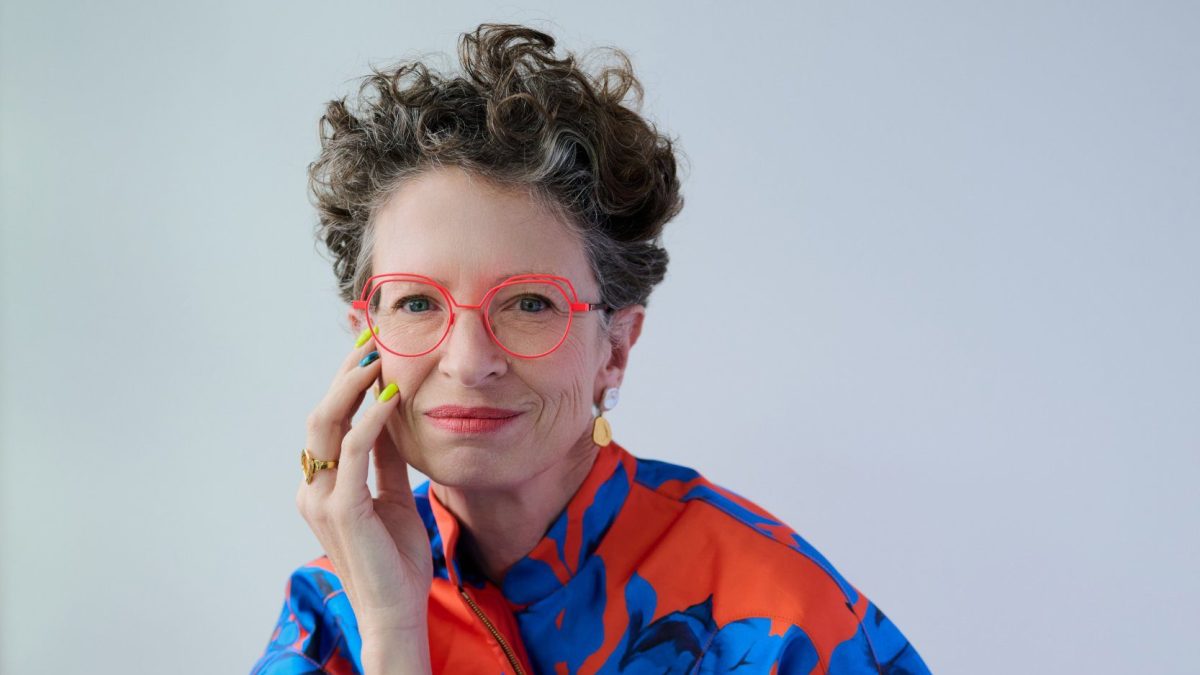
I’m a doctor who got breast cancer at 40. This is what I wish all women knew
Full Article
Original Source
Read the full article at Inews →KhanList aggregates and links to publicly available news content. We do not host full articles from third-party sources. Always verify important information with original sources.