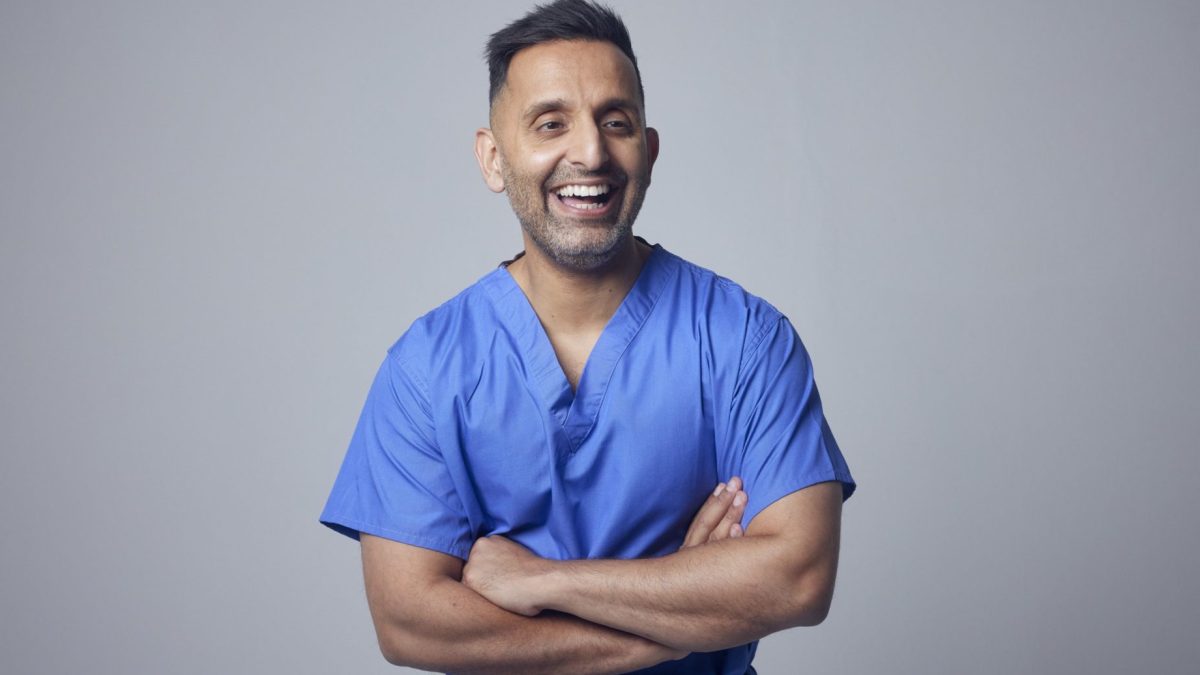
Dr Amir Khan is a full-time NHS GP and best-selling author working in inner city Bradford. He is also known as a podcast host, a resident doctor on TV, and his insightful, practical advice about everything from sleep to menopause has garnered him 1.1 million followers on Instagram. Here, he shares the seven most common myths he comes across in his work about women’s health in mid-life, explaining how they are wrong and what you need to do instead. HRT is the best, and only, option Hormone Replacement Therapy (HRT) is effective for the management of symptoms of menopause, particularly for specific symptoms like mood issues, hot flushes and poor sleep. We have such easy ways to administer HRT now, too: we’ve moved beyond tablets to patches, creams and gels, which are far more accessible. But HRT is not the answer for everyone. There’s a group of women who can’t have it if they’ve had oestrogen dependent breast cancer, for example. Then, there are the side-effects like headaches, nausea or breast pain, particularly in the first few weeks. If you are one of the women managing most of their symptoms well through lifestyle factors, you might want to just get specific medications for symptoms like hot flushes. If anxiety is an issue, you can consider medication used to treat generalised anxiety disorder. You don’t have to have HRT if you don’t want it. The other options might not be as effective but they are there. It’s worth saying that if you did have a bad experience with HRT in the past, that could be because of the synthetic progesterone that was used in oral HRT. This was also the type of HRT that women were less likely to be able to tolerate. Now body identical progesterones are used in HRT, which is much better tolerated. Because this HRT is topical, it also bypasses the liver – dramatically reducing the historic risk of blood clots. Shorts Menopause only affects specific parts of the body People don’t quite get that oestrogen receptors are found absolutely everywhere in the body, and there are so many more menopause symptoms than we previously thought. For example, itching ears or tinnitus are symptoms of the menopause because you’ve got oestrogen receptors in your ears and as levels fall it affects them. Same with developing misophonia [a sound tolerance condition where everyday noises trigger intense physical and emotional reactions], losing your coordination, or dropping caffeine tolerance. Driving, in particular, can become incredibly hard and is caused by the fall in progesterone. It’s because progesterone keeps your GABA levels [a natural chemical messenger that acts as the main calming agent in your brain and spinal cord] in your brain manageable, which means that you are better able to regulate danger and anxiety responses. When your progesterone levels drop, your ability to manage anxiety drops, too. Motorways then become incredibly hard, but most women just think they’re going mad. My sister couldn’t drive on them at all for a while, but is now on HRT and she’s driving back and forth between Reading and Bradford all the time. Osteoporosis is unavoidable Both men and women are impacted by bone loss: from the age of 35, bone loss accelerates beyond our bone growth. But the menopause further accelerates that. Oestrogen helps with the formation of new bones and when that drops, particularly in the first five to seven years, women can lose 10 to 20 per cent of their bone mass. But osteoporosis is not inevitable. We should all be working towards stronger bones, and that doesn’t necessarily have to mean taking HRT or osteoporosis treatment (a group of drugs called bisphosphonates). What we should all be doing, particularly women in their perimenopause and menopause, is strength training. Not only does strength training encourage new bone formation when muscles pull on our bones; the minute you start pulling and pushing against resistance, it activates something called myokines, which are like little text messages your muscles send all over your body. One of the places it can send a message to is your bone that says: “There’s a tension on you to move, which means you need to get stronger, let’s start making more bone cells.” Strong muscles are also key to preventing osteoporosis. The more lean muscle you have, the less pressure you put on your bones and the less likely you are to fall as you get older. And it’s never too late to start strength training – just start small, even with bodyweight, and add it in when you can. Diet is important for bone health, too. Everybody thinks about calcium and vitamin D, which are important, but so is protein. Your bones are 50 per cent protein. Getting sunshine safely to support vitamin D levels also helps (you only need 10 to 15 minutes in the sun to get adequate vitamin D). HRT absolutely can help with osteoporosis, but those things themselves are really effective at reducing the risk. You can ignore the weight gain One of the things that oestrogen does is encourage fat deposits around your hip and buttocks areas which actively helps with fertility and regulating periods. As oestrogen levels fall and disappear, fat distribution changes and becomes more focused on your abdomen area. While it is normal that this happens, it isn’t harmless. Fat around the middle doesn’t just sit there: it acts like an extra endocrine organ, increasing your risk of all cancers, heart disease, inflammation throughout the body and insulin resistance. That’s because if you have fat around that area then you’ve probably got fat around some of your internal organs as well. But, as with osteoporosis, the impact of the weight gain (and even the weight gain itself) doesn’t have to be inevitable. Eating more protein, fibre and healthy fats (like olive oil and avocados) are really important. And you shouldn’t cut out all carbohydrates: the complex carbohydrates found in vegetables and whole grains are vital to your health. Look at how you can get more whole foods and less ultra-processed foods in your diet and, of course, strength training. Don’t forget also about good quality sleep and stress management. Bad sleep and chronic stress both make you crave sugary and ultra-processed food which also results in weight gain and increased insulin resistance. Mid-life is a really stressful time, but it’s important to do whatever you can to manage it. And if you are experiencing hot flushes or interrupted sleep you should consider getting them treated (potentially with HRT). ‘I would genuinely advise all women above 35-40 to think about getting topical vaginal estrogen cream,’ says Dr Khan Cardio is a waste of time Strength training has so many benefits as already mentioned. It’s key for weight management as you not only burn calories while you’re strength training, but you also burn calories after you finish. It can even help with your increased risk of insulin resistance in mid-life as lean muscle is a key place where sugar is stored, helping you calm insulin levels down. My favourite saying right now is: “Thick thighs save lives.” There’s a study in the BMJ showing that the more muscle (not fat) you have around your legs, the lower your risk of osteoporosis, heart disease, dementia and loads of health conditions. We’re over the thigh gap – we want thick, muscular thighs. There’s lots of people online saying that women after the menopause shouldn’t run because you need to build more lean muscle, and cardio doesn’t help with weight management. But anyone at any age (including women during and after the menopause) need to do a combination. Cardiovascular training is brilliant for your heart health and reduces your risk of heart attacks and strokes. Conditioning and balance work can also help prevent falls. You’ve got to get a great balance of exercises through the week. Problems ‘down there’ only affect your libido One of the biggest drivers of low libido in women in mid-life is something called vaginal atrophy. Sex becomes painful because there isn’t much lubrication and the skin is very dry and thin. This is why topical vaginal estrogen cream can be so beneficial: not only does it restore the health of the skin and the tissues around the vagina, it increases that moisture and plumpness so that sex can become more comfortable if that’s what the woman wants. But it’s not just about sex. There was a huge study published a month ago that looked at 1.9 million adult women. It found that those who used topical vaginal estrogen cream regularly, regardless of how young or old they were, had a lower mortality rate of all cause death, lower sepsis rate and a lower urinary tract infection rate. I would genuinely advise all women above 35-40 to think about getting topical vaginal estrogen cream. It’s safe, it stays locally, it doesn’t get absorbed into your blood stream like systemic HRT, and it can also help with pelvic floor health. The menopause is to be feared Menopause can suck, but not for all women. Quite rightly, we are now talking more about the debilitating symptoms of falling levels of oestrogen. That’s vital because for some women it is so difficult to navigate and they do need treatment. But what those conversations can sometimes do is isolate the women who are actually having a manageable menopause. There is a cohort of women who either have minimal symptoms during the menopause and can manage without treatment, or even some who have no symptoms at all. Then there’s another cohort of women who actively welcome menopause because it means no more bleeding every month, no more heavy periods, no more PMS, no more pain. It also means the end of using contraception, which can have its own problems. And for yet another group, there are spiritual benefits. In Islam, for example, women who are menstruating are thought to be going through enough already and are therefore exempt from fasting and so on. Post-menopausal Muslim women can pray and fast all through the year. Positive experiences do happen, and that’s important to remember. That’s not taking away from what falling levels of oestrogen, progesterone and possibly testosterone do to women, but it might be the lesser of two evils for these people. The menopause does not have to be something to be feared.
I’m a doctor – seven dangerous myths mid-life women should ignore
Full Article
Original Source
Read the full article at Inews →KhanList aggregates and links to publicly available news content. We do not host full articles from third-party sources. Always verify important information with original sources.