
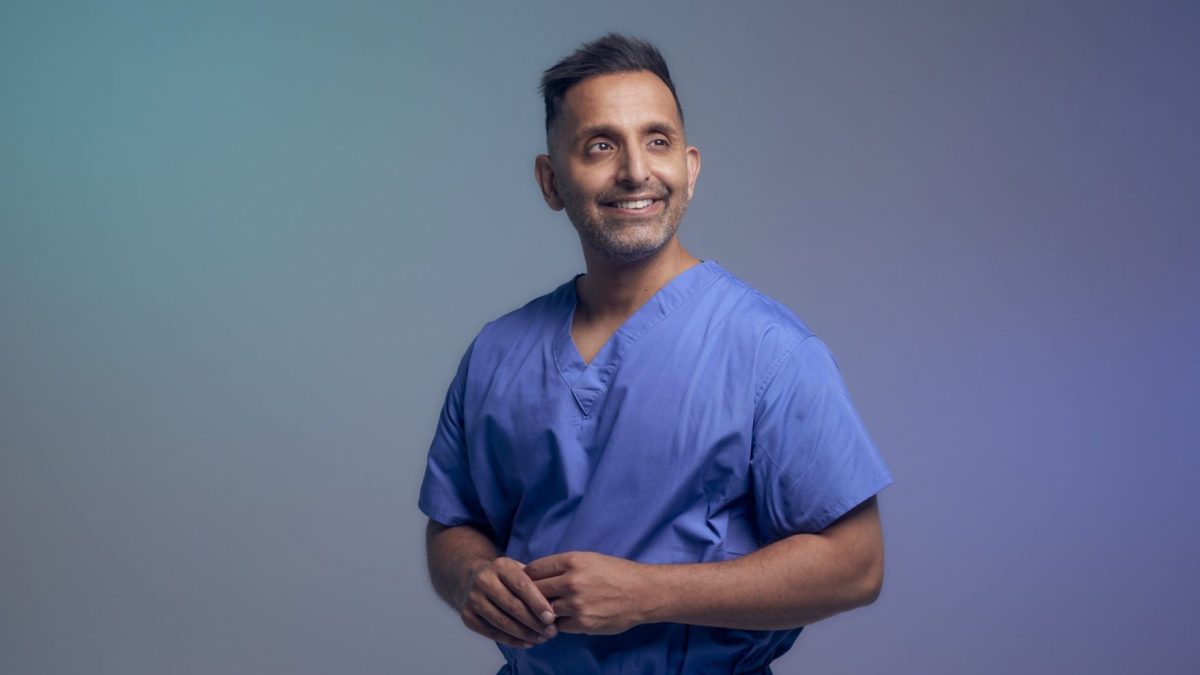
Dr Amir Khan is a full-time NHS GP and bestselling author working in inner-city Bradford. He is also known as a podcast host, a resident doctor on TV, and his insightful, practical advice about everything from sleep to menopause has garnered him 1.1 million followers on Instagram. In his latest column for The i Paper, he details all the ways you can improve your gut health without spending endless money on supplements. Interview by Sadhbh O’Sullivan. It’s not news to anyone now that our gut health and our gut microbiome is so important for our health. What we feed our gut bacteria (through what we eat) is so important for the integrity and the lining of the gut barrier and the gut cells itself. That’s why there is currently so much emphasis on fibre which is like the fertiliser of the garden of your gut microbiome. Shorts But there is more you can do for your gut than just focusing on diet (though, of course, that is the most important aspect). There is so much more to gut health that we are only just learning about and that’s the bit that really fascinates me as a doctor and a scientist. Here are some of my favourites. Get knee-deep in nature My favourite one on this list, by far, is getting outside in nature and, if possible, getting your hands dirty. There was a big 2025 randomised controlled trial that found spending two hours a day in green spaces increased the measure of gut microbial diversity within a week. We evolved alongside these microbes that live outside – the ones released by plants, in the soil, in the air – but modern life has moved us towards a more sanitised indoor life where everything is bleached and sterile. When they make their way into our systems, they increase our microbiome diversity. This is key because we know that a more diverse gut microbiome is a healthier microbiome. There’s one particular bacteria in the soil we’re really interested in at the moment called Mycobacterium vaccae. Very early-days studies have shown that if that bacteria makes its way into your gut microbiome it may well help reduce inflammation. I’m going to caveat all this by saying that it’s still really important to wash your hands before you eat because there are all sorts of very unfriendly microbes out there that you don’t want. Hug your pet I’m not advocating for dogs licking faces or cats eating off plates, but what I am saying is that cats and dogs have their own microbiome that is built from them going outside and so on. Cats, in particular, can transfer that microbiome onto humans – and that’s not necessarily a bad thing! What we know from studies is that for people with pets (specifically cats and dogs) there is a transfer of microbes from pets to their owners. We can’t quite say that a pet is explicitly good for your gut microbiome, but what we can say is they increase our microbial exposure and creates a less sterile environment – and all of that links into this diverse gut microbiome. Plus, with dogs you will be walking outside and getting exposed to those external microbes, as well as other people’s when you have social interactions with other pets owners. Manage your stress We know that the gut and the brain are linked: the brain influences the gut and the gut communicates back through the nervous system, immune pathways and so on. We also know that when people are stressed, that can alter the way that the gut works. We see that a lot with things like irritable bowel syndrome, where they get flare-ups during stressful periods. Part of the genuine connection is that the vast majority of serotonin, the neurochemical that affects the mood of our cells, is made in the gut. A healthy gut is linked to better mood and managing stress is linked to a healthy gut, as it can directly impact your gut microbiome and change the level of diversity. Move more We have good evidence that your gut likes when you move as much as the rest of your body does. I was just reading a meta-analysis of 25 studies that found that people who do regular exercise of 30 minutes, five times a week, had altered the composition and function of their microbiome. Crucially, they found that their microbial diversity increased with exercise. We know when people move more it’s associated with better bowel movements, with better immune function and metabolism, and people who tend to be more sedentary are more prone to constipation. The study also found that for the people who exercised more and had this increased diversity, it favoured the really helpful bacteria that produce those short-chain fatty acids that we want more of like butyrate, which reduce inflammation and improve the lining of the large bowel. Protect your sleep Sleep is really good for your gut microbiome and therefore things like sleep deprivation can alter the gut microbiome. There was a 2026 systematic review which looked at 41 studies following people who reported poor quality sleep vs good sleep. This is emerging science and we don’t yet fully understand the mechanism behind it, but they found that people with better sleep had a better gut microbial composition and gut, as well as reported better gut function. Those same studies showed that people who had sleep deprivation had reduced microbial diversity overall. This is an area that needs more investigation, but what was really interesting is that people who do shift work in particular had a poor diversity of microbes compared to those who didn’t. We also know that sleep affects your hunger hormones in your brain. When you’re sleep deprived, your hunger hormone ghrelin goes up and your fullness signal leptin goes down. So you’re always hungry, not feeling full, snacking and seeking the kind of food that gives you that instant reward in your brain: sugary, ultra-processed food. And this will all then have knock on effects on your gut health. Be sparing with antibiotics We’re heading into winter and I have so many people come into my surgery with viral infections looking for antibiotics. I regularly tell them they don’t need them. When you think it’s the antibiotics helping you, it’s actually just that time is making you better. They also impact your gut health. Antibiotics are not selective to the bug that you have, they will kill a lot of the helpful bacteria that lives in your gut, too. Studies consistently show that when people are on antibiotics, we get a really rapid reduction of bacterial diversity in the gut and it can take weeks, if not months, for that to come back up to baseline. So, if you do have to take antibiotics for whatever reason, it’s so important to make sure you’re getting a diverse diet of plants with different types of fibre, and once you’re feeling better; going outside, focusing on sleep and eventually getting back into movement. This is also when I might suggest prebiotics and probiotics. Things like Kefir, live and authentic Greek yoghurt and other live fermented foods help replenish those bacteria that are lost. Floss your teeth regularly When we think about gut health we often just think about our large bowel. But people forget that our gut starts at our lips and moves all the way down to our anus. The mouth and the gut are not separate ecosystems but are intimately linked. That’s why oral health is so important. We swallow so much oral bacteria every day. Granted, stomach acid limits the bacteria that gets in our system, but studies have shown that bacteria associated with gum disease, periodontal disease and all sorts of oral problems have been found in the gut. There’s something called gut dysbiosis which is an imbalance between the good and bad bacteria in the gut and those ones associated with oral disease are very much the bad bacteria. So brush and floss! Drink more water This is less for your gut microbiome and more for bowel movements, because the number of patients of all ages I’ve seen who’ve come in with constipation and they’re simply not drinking enough water… Fibre is really important for your gut health and insoluble fibre, particularly, for adding bulk to your stool – but fibre needs fluid to do its job effectively. The large bowel absorbs loads of water which is part of how it makes your poo, so if you’re not drinking enough and don’t have enough fibre in your diet, you’re going to be constipated. I’m not saying that people need to force themselves to drink excessive amounts of water for their gut microbiome, but they really should be drinking regularly throughout the day. The aim is to have urine that is pale straw coloured.
I’m a doctor – eight surprising habits for a healthier gut
Full Article
Original Source
Read the full article at Inews →KhanList aggregates and links to publicly available news content. We do not host full articles from third-party sources. Always verify important information with original sources.