
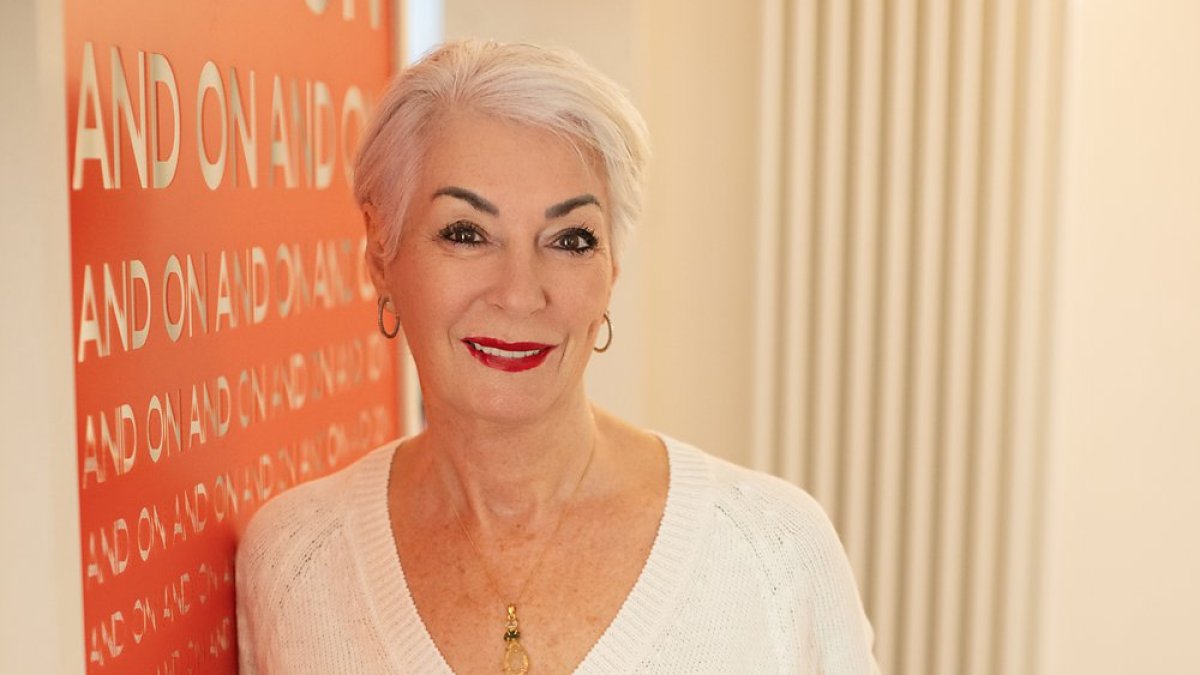
Avril Millar, 74, earns more than £200,000 a year – yet says she is not rich and is still paying off her mortgage. Avril, who is an executive director, says she is taxed highly on her earnings, so the amount she takes home is less than people might think. As such, for her, being a high earner has never meant feeling rich, which is why she classes herself as a HENRY – high earner, not rich yet. Shorts Avril said: “My positions all vary in actual annual earnings – all are PAYE, so are heavily taxed, but overall, I earn over £200,000 a year.” However, it has taken her a long time to reach this point – and her current earnings. She says she had to “start from zero at 50”, after seven years of illness. “My biggest challenge was that I had no pension, a £100,000 mortgage on a tiny house, no savings and modest income after seven years of illness.” She is still paying an interest-only mortgage and could clear it but has decided not to. “I may be 74 but also might live to 100 so I need to keep accumulating my pension for when I stop earning.” Her mortgage payments are about to jump as her fixed rate ends, but Avril, who worked as a wealth manager for more than 20 years, would still rather keep her money invested in her pension. After years of financial insecurity, she also values having cash readily available. “I like to keep cash savings for a sense of immediate security after so long being broke.” That money now means she can treat her grandchildren, help her adult children and contribute towards her daughter’s wedding, which are things that were impossible for years. Her route to a six-figure income has been anything but smooth. Avril describes her financial history as a “roller coaster”. After divorcing at 36, she received 60 per cent of the equity in the marital home – which was sold and they both moved out of – but did not receive a share of her husband’s pension and she didn’t have her own. “I remember vividly feeling utterly terrified.” At 40, she lost another house after interest rates surged to 15 per cent. She was building a small business with no savings and no pension contributions, despite working as a financial planner. Then, at 43, she became seriously ill and spent seven years on income support. “That period reshaped everything – my health, my finances and my understanding of how quickly a stable income can disappear.” She eventually returned to work and began rebuilding her pension. But at 55, she discovered she no longer owned shares in her own business after completing the necessary paperwork had fallen through the cracks during her illness. Avril said that “even capable women lose ground when exhausted or ill”. Two years after leaving the business, it was sold. Avril received £100,000, which she used to reduce her mortgage, but says her former business partner achieved a significantly better financial outcome. Since 57, Avril has built a portfolio of executive and non-executive director roles, advisory work and consultancy across healthcare, finance, technology and investment. Her earnings have “sky rocketed” since her mid-60s as she diversified her income. Her peers are mostly retired, mortgage-free and living on decent pensions. Avril says they have little understanding of what it has been like to reach her 60s while still worrying about losing her home. But she does not resent having to keep working. “I don’t have a conspicuously lavish lifestyle, and I neither need nor want it, but people assume I am financially sorted.” In fact, she says working has made her happier. She lives in London and has no intention of leaving. Her plan is to keep working until 79, when she will consider herself semi-retired. For other high earners who still do not feel rich, Avril says the answer is not necessarily to spend less. “People need to be financially literate – especially women who, quite frankly, are screwed by the system at every point in their lives.” Her advice is to understand compound interest, pay attention to pensions and stop money leaking away through credit cards and interest payments. But her final lesson is less about getting rich than knowing what matters. “Lastly, despite the fact that money matters, health and relationships matter more. Protect them. You can always make money – you can’t get a new body or recreate a lost true love.” Avril’s financial life may still look unconventional at 74, but she sees it as proof that being behind is not the same as being stuck. “Financial stability didn’t arrive through luck or a single good decision. It came from continuing to generate value after each disruption and refusing to disengage even when disengagement would have been much easier. It’s always possible to turn things around.”
I’m 74 and earn £200,000 but I’m still paying off my mortgage, I’m not rich
Full Article
Original Source
Read the full article at Inews →KhanList aggregates and links to publicly available news content. We do not host full articles from third-party sources. Always verify important information with original sources.