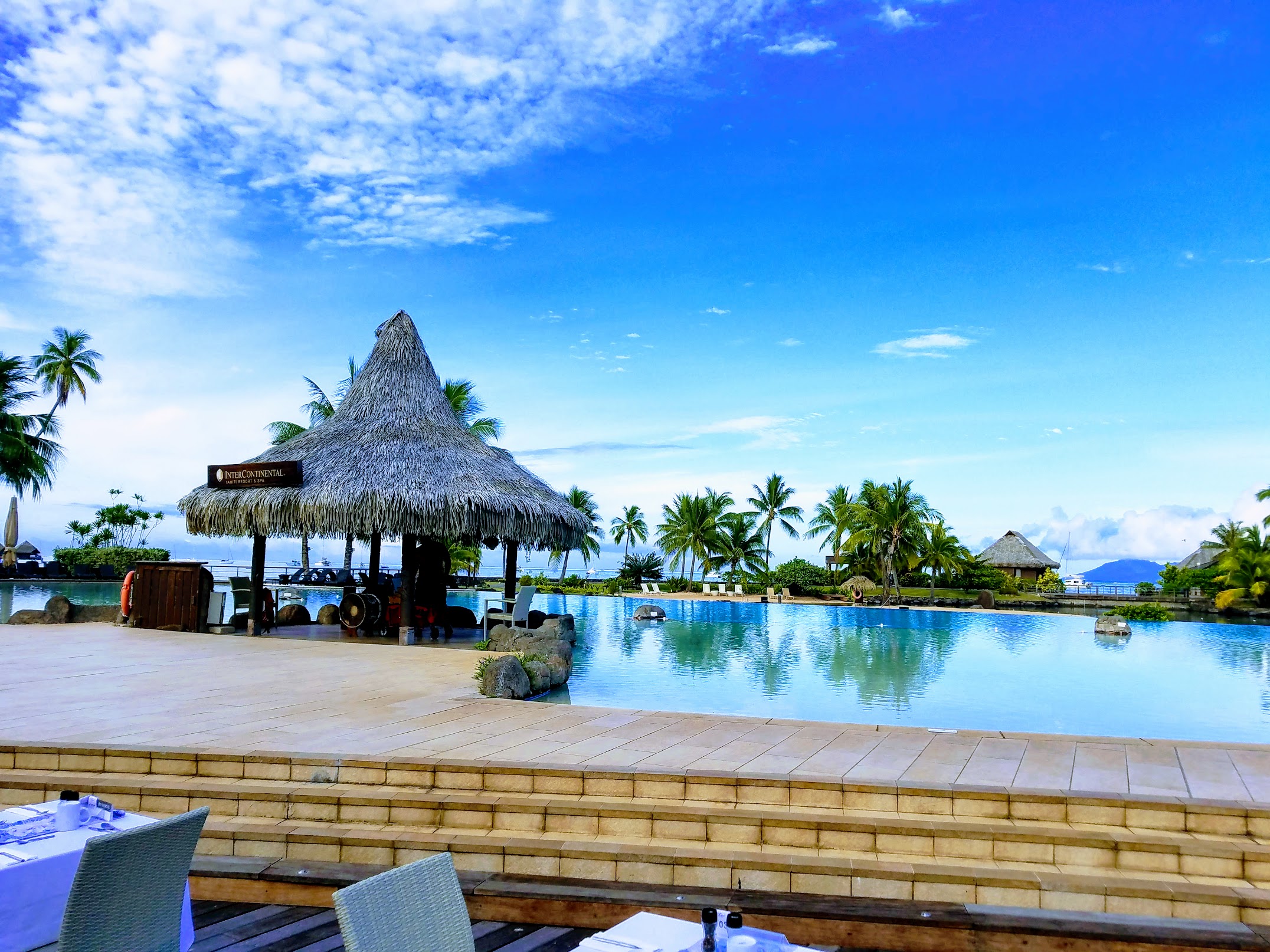
When you’re checking in with an airline you’ll often be offered the chance to buy miles. Usually it’s at full price, and a bad deal. Hotels may offer rates that include bonus points. These may be at a high price, and it’s a way to stick your employer with a higher rate while padding your points balance. Unethical! IHG hotels has an interesting offer – choose how many points you want to buy, and 3,000 points costs the same as 5,000. Huh? Here’s what’s going on. The 3,000-point option’s purpose is to make 5,000 points look like a great deal, even to someone who has no idea what an IHG point is worth. The full slate of choices actually separates two buckets of members potentially willing to pay more: ‘urgent top-up buyers’ and price-sensitive but highly engaged “points investors.” Only the 5,000 point option makes sense for most to even consider. The others are more expensive than IHG sells points for outright right now – through July 16 they’re offering points at half a cent apiece (at higher purchase amounts). And that’s without a reservation. Intercontinental Tahiti How This Offer Manipulates You Psychologically The first three offers establish a “normal” price for 5,000 points: At the 1,000-point rate: $35 At the 2,000 point rate: $32.50 At the 3,000-point rate: $33.33 Then IHG offers 5,000 for $20 which looks like a 40% discount. Here’s what they’re actually doing. “Dominated-decoy” or “attraction effect.” The 3,000 point offer is dominated by the 5,000 one. Adding a dominated alternative increases selection of the option that dominates it. Zero marginal price framing. Relative to 3,000 points, the extra 2,000 appear “free” since it’s a 67% increase for no additional cost. Transaction utility. The guest feels like they’re getting a bargain (relative to the reference price), entirely apart from whether the points themselves are useful. Partitioned pricing. $20 feels small after committing to a hotel booking that might be 10 times as much multiplied by the number of nights booked. ‘No’ isn’t a listed option. That replaces “should I buy points?” with “which bundle should I choose?” They call it “earnings” even though you’re buying and skipping it sounds like you’re leaving value behind. This is all aimed at making you think you’re being offered a great deal, and that you’re missing out if you don’t spend more. Kimpton Surfcomber How Much Are IHG Points Worth? You can probably redeem IHG points at 6/10ths of a cent apiece on average, but that doesn’t mean they are worth 6/10ths of a cent (i.e., that you should be a buyer at that price). The value of a point is the price at which you should be indifferent between holding cash and holding the points. And: Cash rates earn points while in most programs redemption rates do not You may face greater devaluation risk with the points You can buy more things with cash than with points And you can earn a rate of return with cash So you need to take the ‘travel value’ of points and discount them for risk, inflexibility, and relative return unless the points are literally displacing a paid booking you would be making right away and then you need to factor the room rate, taxes, and points foregone when making your comparison. I’m not a buyer of IHG points until about 4/10ths of a cent at best, but would really be aiming at around 1/3rd of a cent, precisely because in most cases they’ll redeem at 6/10ths (though I’ll hope to do better) and because I value holding the cash more than the points. So I am a potential buyer at $20 for 5,000 but it’s hardly a no brainer for me. Any of the other price points is a clear money-loser. That said, 1,000 or 2,000 can make sense for someone as an exact top-off of their account if needed to book a specific award, while the excess points from buying 5,000 are likely to go unused. Intercontinental Boston The Status Angle While ordinary “point vouchers, purchases, deposits, and transfers” are nonqualifying, these purchased points count towards elite status. Gold: 40,000 qualifying points Platinum: 60,000 Diamond: 120,000 At 5,000 points per night, eight, twelve or twenty-four package nights alone would produce those status levels (with ordinary qualifying stay points reducing the number required). That doesn’t accelerate Milestone Rewards, which are based only on qualifying nights, so no confirmed suite upgrades or annual lounge access memberships. (I have Diamond status from Sapphire Reserve spend and do not get those either.) Who Actually Buys These Offers? You might think that IHG’s most active members (a) already have enough points, and (b) understand what they’re worth so wouldn’t tkae them up on the offer. The opposite is actually true. Here’s who buys: Top-off buyers who need a small number of points for a specific award or status level. They’ll accept high points prices because it unlocks benefits or real value in the rest of their account balance. Hoarders or “super buyers” who know redemption values, and maximize the value of points. They may already have large balances, or have low balances because they redeem frequently. They figure they’ll get superior value out of the points. According to Points.com, members displaying greater program engagement purchased more than average. High value members are actually the primary purchasers. Specifically, promotions increase average transaction by 30%, 49% of points buyers purchase more than once and generated three to four times as much total revenue and have 1.7 times the email open rate of other members. In fact, members stockpile points even when the program provides no economic return for it. How many of us feel a sense of achievement in the mental math? I know I reached for seven figure balances across many of my programs and struggle emotionally with redemptions that force me to dip below those amounts even though it’s completely irrational thinking (and I consciously overcome it – but the emotional pull is there). It’s probably low single digit percentages taking travel providers up on these offers overall, with the base offer, but previous buyers and those right below an award or status level have a much greater propensity to buy. Why Selling Points Cheap Is A Good Business IHG gets the cash now, and have to cover redemptions later. They control the economics of how much they’ll have to spend later. Some points go unredeemed. The balances create an incentive to book with IHG again in the future. They even expressly say that point sales and other ancillaries are high margin. You can get $30 in hotel value for $20. IHG’s costs are less than $20. That’s because they’re generally liquidating unsold rooms at next to no cost, and they’re doing it in an opaque manner that doesn’t really undercut retail pricing and rooms that would get booked at a higher rate. Of course that only works if you really would pay retail for the room. Topics on this page
IHG Charges The Same $20 For 3,000 Or 5,000 Points—The Worse Deal Is Designed To Trick You
Full Article
Original Source
Read the full article at Viewfromthewing →KhanList aggregates and links to publicly available news content. We do not host full articles from third-party sources. Always verify important information with original sources.