India's first nationwide mapping of dengue virus strains has found all four dengue serotypes circulating simultaneously across eight states and Union Territories, raising concerns ahead of the rollout of an indigenous dengue vaccine.An ICMR-backed study has found all four dengue virus strains circulating across eight Indian states and Union Territories, underscoring the need for broad protection as India prepares for dengue vaccination.India's dengue season has become more complex, with an ICMR-backed nationwide study finding that all four dengue virus serotypes (DENV-1, DENV-2, DENV-3 and DENV-4) are now circulating simultaneously across eight states and Union Territories. The findings come as the country prepares to introduce its first indigenous dengue vaccine, making it crucial for the vaccine to protect against all four strains.Health experts say the co-circulation of multiple dengue serotypes increases the chances of people being infected with a different strain after a previous dengue infection, which can raise the risk of developing severe dengue.WHY ARE FOUR STRAINS A CONCERN?Dengue is caused by four closely related virus serotypes, DENV-1, DENV-2, DENV-3 and DENV-4.A person infected with one serotype usually develops long-term immunity only against that particular strain. If they are later infected with a different serotype, the risk of severe dengue, including dengue haemorrhagic fever and dengue shock syndrome, may increase. WHAT DID THE STUDY FIND?The nationwide molecular surveillance found that all four serotypes are circulating simultaneously in eight states and Union Territories, confirming that dengue has become hyperendemic in parts of India.Researchers also observed co-infections involving more than one serotype in some patients, indicating multiple strains are spreading at the same time.WHY THIS MATTERS FOR THE DENGUE VACCINE The findings are particularly important because India is preparing to roll out its first indigenous dengue vaccine.Scientists say a successful vaccine must provide protection against all four serotypes, as immunity against only one or two strains may not be enough in areas where multiple variants are circulating. The surveillance data will help shape vaccination and public health strategies.HOW TO PROTECT YOURSELFHealth experts recommend taking steps to avoid mosquito bites, especially during the monsoon season:Remove stagnant water around homes.Use mosquito repellents and insecticide-treated nets.Wear full-sleeved clothing outdoors.Keep windows and doors screened where possible.Seek medical attention if fever, severe headache, muscle pain or a rash develops.The discovery of all four dengue virus serotypes circulating together across parts of India is a reminder that dengue remains a major public health challenge. As the monsoon continues and mosquito breeding increases, preventing bites, recognising symptoms early and strengthening surveillance will be key to reducing severe infections.- EndsPublished By: vaishnavi parasharPublished On: Jul 30, 2026 16:39 IST
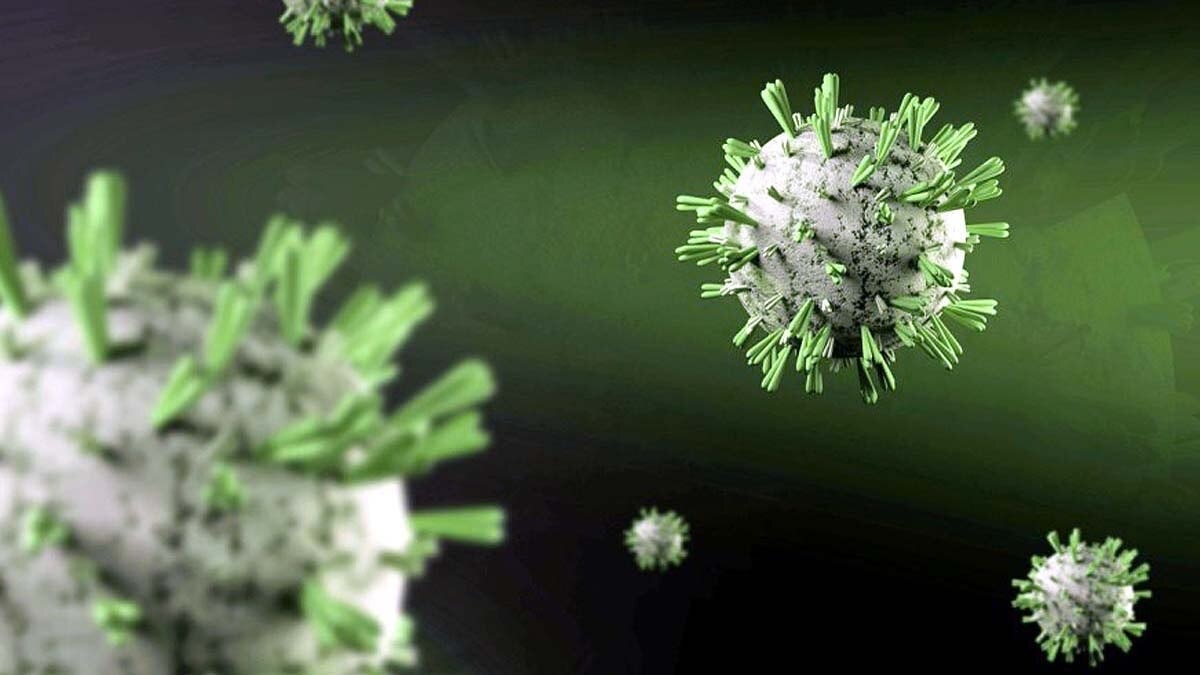
ICMR warns as all 4 dengue virus strains spread across 8 Indian states
Full Article
Original Source
Read the full article at Indiatoday →KhanList aggregates and links to publicly available news content. We do not host full articles from third-party sources. Always verify important information with original sources.