
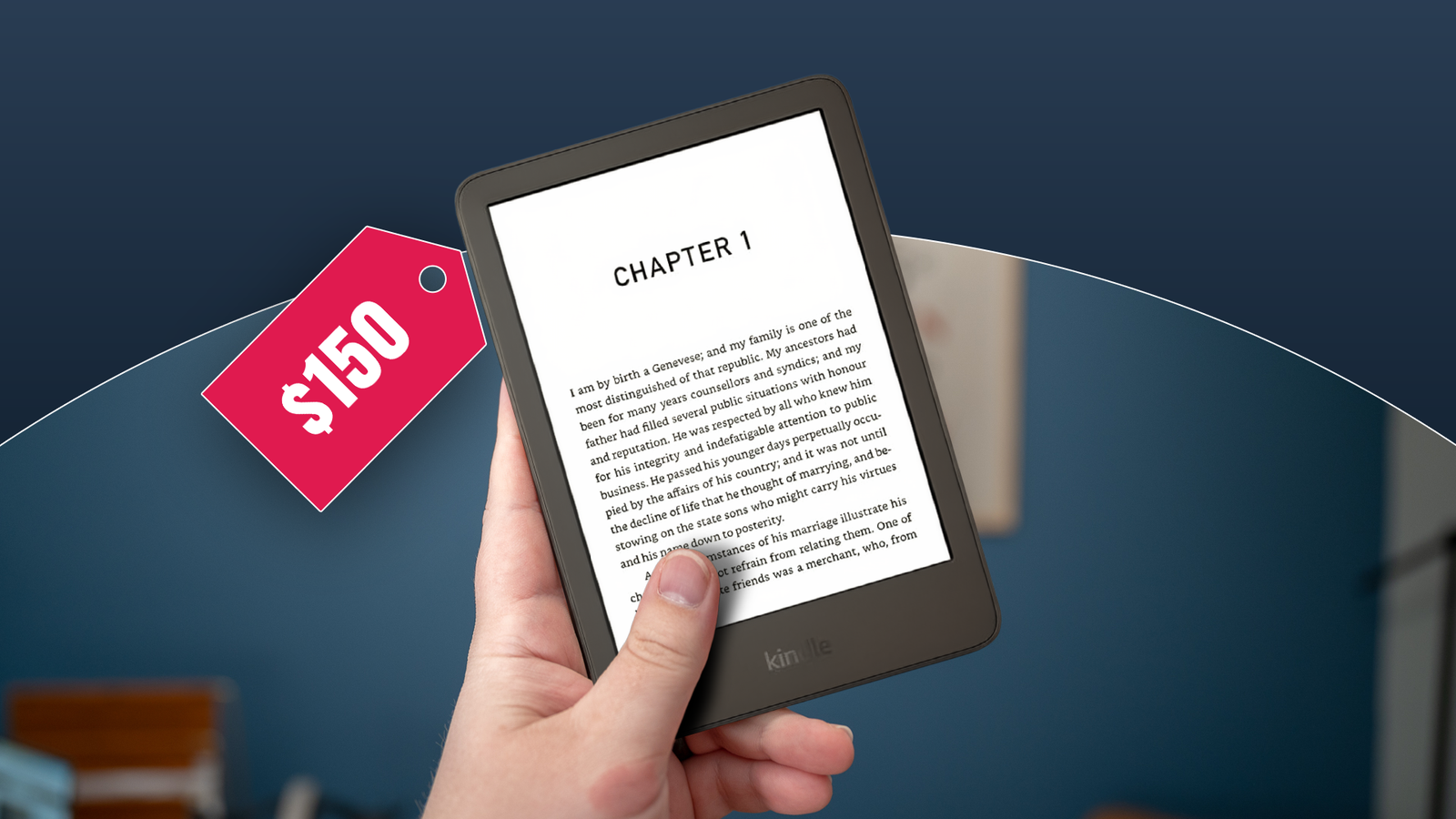
Published Sep 5, 2026, 11:15 AM EDT I've been covering Android and other mobile technology for close to ten years now, with a specific interest in phone accessories, e-readers, and what makes each individual phone different from another. I delight in looking at the phone market from as many angles as possible, and while my opinions may be odd, at times, they're always from the heart as much as the head. I have a background in the mobile accessories world, which explains my odd enthusiasm for cases and things that clip onto smartphones. I worked for Digital Trends from 2017 to 2025. Prices go up. It's what they do, and we've grown used to that. Prices are meant to rise steadily, along with similar wage increases, to cushion the blow, and recent price increases haven't been that. The humble Amazon Kindle has been the most recent victim of increased costs, and the price of a basic Kindle (with ads, to boot), has risen to the not-so-humble $150. For a device that used to cost under $100 not so long ago. It's a massive blow to Amazon's device, and a bizarre one. Because Amazon is part of the reason the Kindle needed such an enormous price rise, and it didn't have to punch itself in the face like this. A Kindle now costs $150? E-readers used to be cheap E-readers were cheap. They're chunks of plastic that use comparatively low-cost E Ink displays, don't need any specifications of real note, and need little other than a touchscreen, decent software, and basic Wi-Fi connections. Chuck Bluetooth in there if you want to give it some audio capabilities. They're cheap. That used to be an e-reader's biggest selling point. My first e-reader cost me £30. It was an early Nook of some kind, and I bought it on impulse before a two-week vacation to Finland. I wanted enough books to last me through two weeks, and I couldn't load down my luggage with two weeks' worth of books. E-readers weigh the same whether they have one book or five thousand, so it made sense to grab one and try it out. I haven't really looked back since. I love e-readers, all because I made an impulse purchase at the right moment. Since then, I've owned numerous e-readers from a number of brands, and it all dates back to that purchase. A purchase I wouldn't have made if it had cost $150. We all know why most tech is getting more expensive. AI, everyone's least favorite two-word acronym, has pushed up demand for components like RAM and storage, and that higher demand pushes up the prices of all tech. Whether or not you use AI is irrelevant, because you'll still pay more just because it exists. More expensive means harder to buy It's a self-inflicted wound You could argue that AI's promise is worth the sacrifice, and many will make that argument. But right now, it's hard to justify. Because of war, political decisions, and climate change, the cost of living is rising in many countries. But we're supposed to happily stomach another massive increase because of the "promise" of AI? Be honest, AI isn't actually all that good. Sure, it can answer questions and generate a video of Sonic eating a taco — but it's not consistent enough to rely on for most businesses. Many businesses are backing away from their agentic dreams, especially after it became clear the costs were much higher than expected. Plus, AI isn't all that popular. It's either hated or loved, with very few people being blasé about the supposedly revolutionary technology. So we have unpopular and overhyped tech that's making the tech we love more expensive. And yet, the biggest tech companies are all-in behind it? Amazon is one of the big companies pushing AI tech. While it's not one of the leading AI companies like OpenAI or Google, it's invested heavily in AI — contributing to its products becoming more expensive. Some tech needs to be cheap, but AI is making cheap tech far more expensive. The Kindle is not worth $150 Buy it second-hand or keep what you have What makes this even worse is that Kindles are not worth $150. Not even close. Kindles are not high-end devices. A Kindle is a plastic shell wrapped around an E Ink display, with a few basic components. The Z Fold 8 Ultra this is not — it's a cheap device that's meant to be thrown around and not worried about. Sure, if I had a $150 smartphone, I might do something similar. But that device does a lot my Kindle doesn't, and has the specs and costs to back it up. My $150 phone could be a phone and a Kindle, even if it doesn't have an E Ink display. Right now, I don't need a new Kindle, but eventually I probably will. At that point, will I have to put up with it and pay the AI tax? Thankfully not. Plenty of options can help you avoid paying through the nose for a Kindle. Buying one second-hand is very doable. Kindles don't change much from update to update, so you're not missing out on much if you buy the last generation. Or the one before that. Or even the one before that. You have to go back quite far before you're buying an inferior product. Tying into this, Kindles age surprisingly well for cheap hardware. Except for my Paperwhite, which chugged for no discernible reason, most Kindles are happy to keep going for years, long after they should have given up. When Amazon turned off support for the oldest Kindles, a number of people complained their models were doing just fine and shouldn't have been turned off — and those devices would have been at least 13 years old. With new Kindles now priced too high, I suspect we're about to find out how long our Kindles can last. When Kindles were cheaper, it was easier to justify a cheeky upgrade. But $150? For a device that's just as good as second-hand? That's harder to justify. Bargain hunters need to weather some rough years Who knows if prices will ever come back down Sadly, this does seem to be a "batten down the hatches" time for budget-conscious tech lovers. On the plus side, there's never been a better time to buy second-hand, as most devices are no longer massive upgrades over previous iterations. But it does suck to not be able to buy the latest technology. It feels more and more like the over-investment in AI is a big gamble that's never going to pay off. And unfortunately, it seems everyone will be paying for it in one way or another. But I tell you one thing: I won't be paying $150 for a sodding Kindle.
I won't pay $150 for a Kindle; neither should you
Full Article
Original Source
Read the full article at Androidpolice →KhanList aggregates and links to publicly available news content. We do not host full articles from third-party sources. Always verify important information with original sources.