
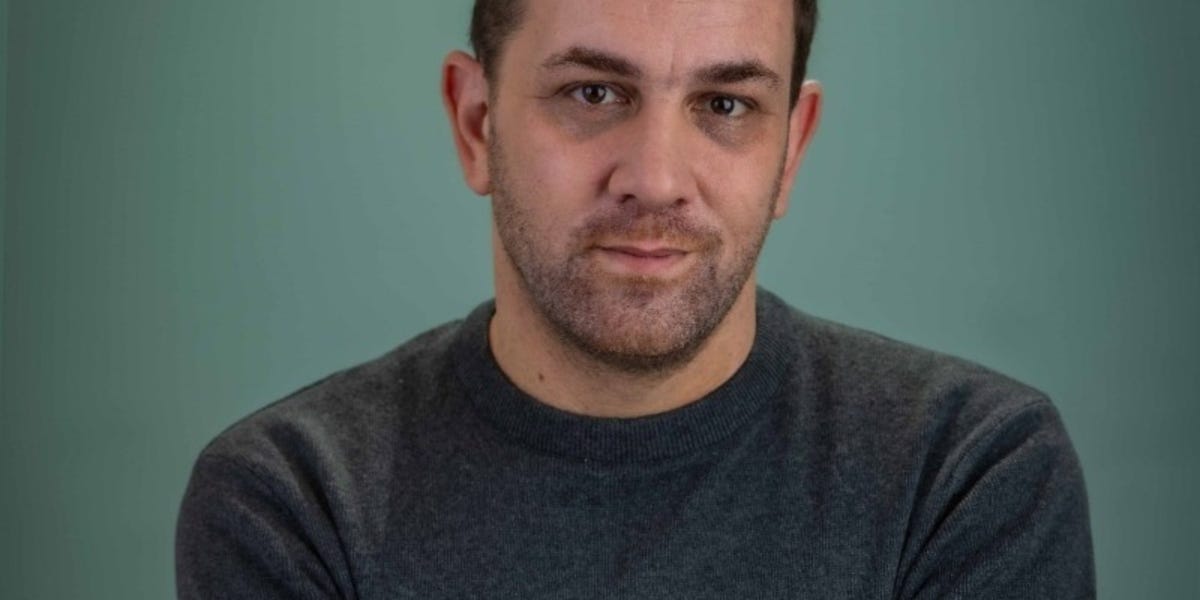
I woke up to panicked text messages about the PHP attacks. As a cybersecurity expert, here are the 3 things I tell people to do right away. Yonaton Keller is a product manager at Zafran Security and has been working on the exposed PHP vulnerabilities. Courtesy of Yonaton Keller This as-told-to essay is based on a conversation with Yonaton Keller, a 46-year-old product manager at Zafran Security, based in Tel Aviv. His words have been edited for length and clarity.When I woke up at 6:30 a.m. on Wednesday, I had multiple messages from around 4:45 a.m. alerting me that two vulnerabilities in the PHP programming language had been disclosed.I immediately understood that this was a very serious situation.Websites run different versions of PHP, and it's estimated that around 70% of websites worldwide use it. This isn't the first time PHP vulnerabilities have been found, but these ones require essentially no authentication on the attacker's part.It's a very tricky situation. If it were a year and a half ago, nobody would have really responded to this so urgently. But this might be one of the first major incidents of its kind in this AI era, and the cycle of how attackers operate and how we typically respond is broken.AI enhances detection and response times, but it also means that any limited-technical person could exploit these vulnerabilities within minutes.My team was very concerned and had to act fastI'm based in Israel, so when it was 6:30 a.m., my time, it was the middle of the night in the US. This time gap worked in our team's favor, as we had time to figure out what was going on before our customers woke up.PHP is an open-source computer programming language used to create websites and web applications. It's such a widely used programming language that we immediately understood that every one of our customers, which includes major corporations and businesses, would likely be affected by this.With bugs or critical flaws in the infrastructure, like the two that were found in PHP, exploitation is actually quite easy, especially if you use AI agents. That was the first thing we understood: even completely unskilled attackers can use these vulnerabilities to take down sites. The PHP Foundation said it would disclose the details of the vulnerabilities and release a fix for newer versions of the language around 5 p.m. Israel time. But some details had already been informally disclosed on an online forum. The post was deleted minutes afterward, but screenshots spread around the internet quite quickly in unofficial forums.So, my team and I dropped everything else and spent all day on Wednesday gathering informal information to see whether we could mitigate the risk of exploitation before an official fix was released.How to tell if you're at riskThe first step people can take to figure out if they're impacted is to look at their websites and web applications, and try to understand where PHP is involved. You can also assume that most, if not all, of them will use PHP in some way, unless you have very basic HTML-based pages.The second step would be to look at what vulnerability scanners online are telling you. Tenable, Qualys, and Rapid7 are usually the big three for releasing detection rules and actually detecting the vulnerability. In this case, these vulnerabilities have caused such widespread panic worldwide that they were quick to respond. This is also a way to understand the exact vulnerabilities in your internet-facing assets.After taking these steps, immediately look online to upgrade your website to the current PHP version. It's quite easy to upgrade that, and it's free. There are some technical steps to do after the fix, so you might need a tech guy to implement them. If you don't update your PHP version, the impact on your business and website can be very, very serious.Some people are also fully taking their sites offline, and I think that can be the right call if you have evidence that you are being targeted. However, 70% of the internet can't and shouldn't be taken offline just because those sites have some vulnerabilities. It's an emergency step to take if you have evidence of potential exploitation, but it can't be a step taken by everyone.This was not just about attackers disrupting your website or web application; it was about them taking control of your server, stealing sensitive documents, moving inside your network, and then carrying out malicious operations, such as deploying ransomware or other actions they intended.The situation has calmed down, but my cybersecurity team is still very concernedThings have calmed down a bit since Wednesday, but we're still very, very concerned. Patching 70% of worldwide websites doesn't take a minute or two.Hours after the fix was disclosed by the PHP Foundation, there were already tons of exploitation attempts popping up online. Attackers are getting quicker. I think that in this AI era, when in a matter of minutes, many attackers can attack, you don't have the time you used to.The whole traditional process of scoping the attack surface, establishing a remediation plan, then calling a guy who's going to be responsible for this remediation plan, et cetera, is broken.For a long period of time, organizations were investing a lot in what we call post-compromise scenarios. I think the AI era of cybersecurity will involve a lot more security investments in the pre-compromise realm, so defenses can be pre-built and ready for attacks in situations like this. Read next Business Insider tells the innovative stories you want to know Business Insider tells the innovative stories you want to know Business Insider tells the innovative stories you want to know Business Insider tells the innovative stories you want to know Agnes Applegate is a senior associate editor at Business Insider on the Business Contributors and Freelance team. She writes and edits as-told-to articles and works with freelancers and contributors on personal essays covering a variety of topics, including AI-powered startups, AI careers, major career pivots, viral career moments, and job market strategies. She previously was a fellow on the Business Contributors and Freelance team and worked as a breaking news runner at The New York Post. as told to Cybersecurity AI More
I woke up to panicked text messages about the PHP attacks. As a cybersecurity expert, here are the 3 things I tell people to do right away.
Full Article
Original Source
Read the full article at Businessinsider →KhanList aggregates and links to publicly available news content. We do not host full articles from third-party sources. Always verify important information with original sources.