
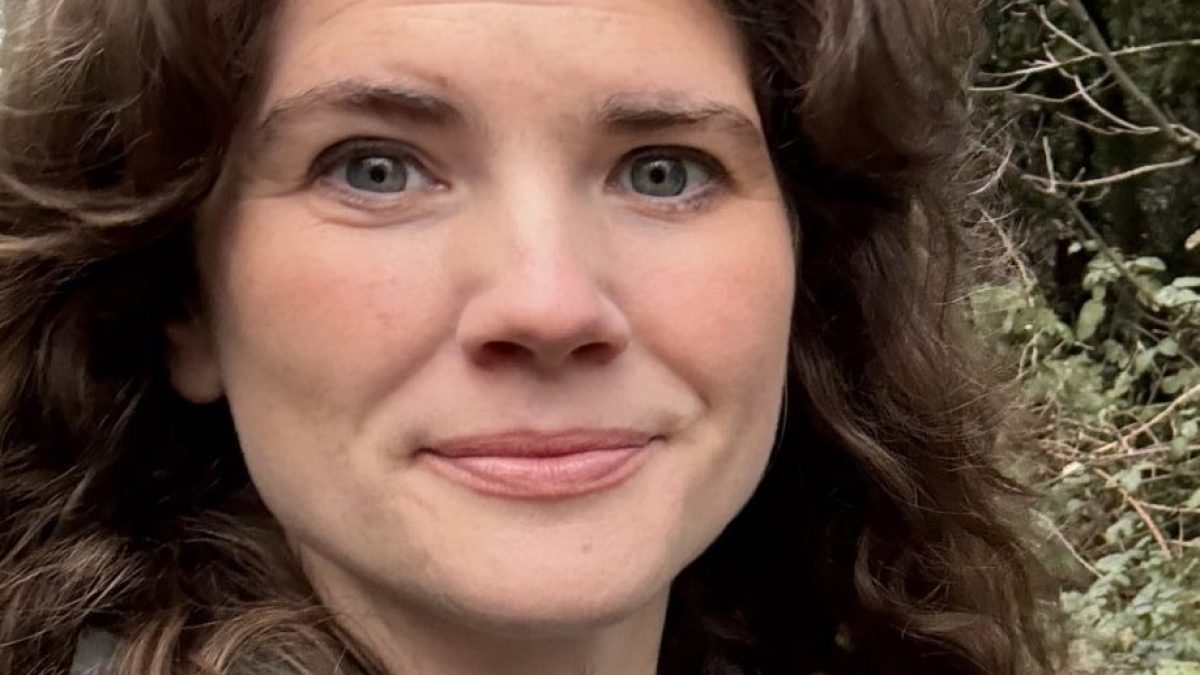
When Emilly Rousseau, 36, sat down with her husband to discuss childcare after the birth of their daughter four years ago, she realised that she wouldn’t be going back to work. Rousseau had worked full time ever since graduating, in marketing, writing and publishing. She loved it, and had planned to return to work when her firstborn was a year old. But when she was 20 weeks pregnant, they left Australia – where they’d been living for five years – to move home to London, where she grew up. She found herself unemployed for the first time in her adult life. The couple now have two children, four and two, and she has not returned to work since. They live on one income of £100,000. Here, she reveals the things she wishes she’d have known before she became a stay-at-home mum. I really struggled. It was a year and a half with me and my two kids at home by myself and I found it really difficult. Up until that point, I had always told myself I’d go freelance and pick up more clients, and go back to work eventually, but after realising the childcare financial commitment, I realised that staying at home was what I had to do for the foreseeable future. Shorts Motherhood is the hardest job in the world I struggled without feedback. In an office job, you get constant reviews, KPIs, feedback and you can measure how well you’re doing. As a parent, there’s your children being healthy and thriving but it’s hard to measure. My husband and I started treating my role as a stay-at-home mum as a job, though, which helped me a lot. Not having colleagues, and someone to blow steam off to, is hard. My husband had to be my punching bag, my cheerleader, my manager and that’s a lot of pressure on a relationship. I feel that suddenly nobody knows where you are and what you’re doing. Most of my friends went back to work after having babies, so you don’t have that community of people who uniquely understand how it is to be in your position. It can be lonely. People have a pre-determined image of you People have made judgments of me, assuming that we’re rich and they have this idea of cleaners and pilates classes. But I became a stay-at-home mum because we actually couldn’t afford for me to go to work. To put our children in nursery, bearing in mind that my daughter’s nursery finishes at 3pm so we’d need to pay extra for someone to pick her up, I would have to earn £80,000 a year. You can’t complain There are, of course, positives. On a Tuesday, I can be off to the farm with two of my favourite little people. Getting to spend time with the children is a positive, but it doesn’t make the day easy. When you tell people about it, or complain, they make you feel like it’s your choice and you should be grateful. I know there are people who have to go back to work regardless of childcare costs, but it made no financial sense for me to be away from my children five days a week and make no money. Financially, it doesn’t feel like a choice. People presume you’re financially better off The perception is that because you pay less for childcare, you’re in a good financial position. But the reason my daughter didn’t go to nursery after I had my son is because my husband’s contract ended and he struggled to find another job. We were in a financially tight spot for a year. I had a £20 budget to entertain the children some days. I couldn’t go to soft play or days out. That’s especially difficult in winter when the weather sucks. There’s huge decision fatigue It’s a huge loss of stability and routine. You become the leader of the day; you have to make every decision around what people are going to eat, when they’re going to eat it and when the nap times are. It’s very wearing. You have a period of identity loss My work always gave me a sense of pride and purpose. There was a transition period where I was wondering who I was. Shifting the narrative from “work is who I am” to “who am I without a job?” is quite confronting. It’s also difficult on your relationship. I would tell my husband I was exhausted from cleaning up after other people, making food, wiping bums, all of these menial jobs that don’t require much brainpower but are physically exhausting. He would say that he was also exhausted – but he was progressing his career and dreams. In the worst moments, I think, “I have a degree, I worked for 15 years, and now I make cheese sandwiches and ask people if they want the crusts cut off.” Now I work one day a week as a copywriter for a client in the office (and a nanny looks after our son), and I make content around family, food and budgeting, which helps fulfil me outside of being a mum. People will look down on you Society looks down on people who stay home with their children. I was judgemental of stay-at-home mums before I became one; I saw it as a bit of a cop-out, but it’s the hardest job I have ever done. We also look down on mums going back to work. There’s no winning. Dads don’t get half as much judgement. Nobody asked my husband if he was going back to work after having children. It takes a while to find balance When we first entered this new world, my day started at 5am and didn’t end until she went to bed at 8pm. That’s a really long day. It’s why we started looking at my role as a job. My husband works from home but I was the default parent taking on all the mental load. Now we see it differently. I go to work at 9am and finish at 5pm (looking after the kids); he goes to his desk. Outside of those hours, we are 50/50. He shouldn’t ask where the dummy or sleep sack is because he’s also their parent. A stay-at-home mum doesn’t make you a cleaner Very early on I told my husband that I’m not a cleaner, a cook or a maid. It’s very easy to become on the hook for all of the domestic labour at home because you have more ability to put a wash on, for example. My job is to nurture the children and raise them. I don’t want to be vacuuming when I could be engaging with them and he agreed with that. Obviously, I have pockets of time where I reset any mess in my “working” hours but after that we do bath time, bedtime, dinner and the evening clean up together. Talk about pensions We’re very open about our finances, including my husband’s salary, which is paid into a joint account and we look at as our money. Right now, we don’t contribute anything to my pension; we both have an Australian one, which works out to be a much higher contribution than the English one. At the moment, we’re rebuilding our savings, which we used when my husband was out of work, and then we will start contributing to my pension again. Your career may never be the same again I know I won’t regret the years I’ve had with my children but my career may never reach the heights it could have. I had to make peace with that, but it’s hard to admit as an ambitious woman who wants a big, exciting life. I do think with enough grit and determination there’s a way of having ambition and being a stay-at-home parent. My dream to be an editor of a magazine probably won’t happen, but I can still get fulfilment from writing, or build my own publication one day. The work that I do online and on Substack has opened doors that I couldn’t have even imagined in less than a year. Each phase is temporary The tiny child stage is full on and when you’re in it, it feels like it’s forever. But it isn’t. Now my children are four and two; I have the capacity to do some writing and post online. Taking action gave me happiness back. Rosseau shares some of her life online at @mil.roussea89
I went from a full-time work to stay-at-home mum – here’s what I wish I’d known
Full Article
Original Source
Read the full article at Inews →KhanList aggregates and links to publicly available news content. We do not host full articles from third-party sources. Always verify important information with original sources.