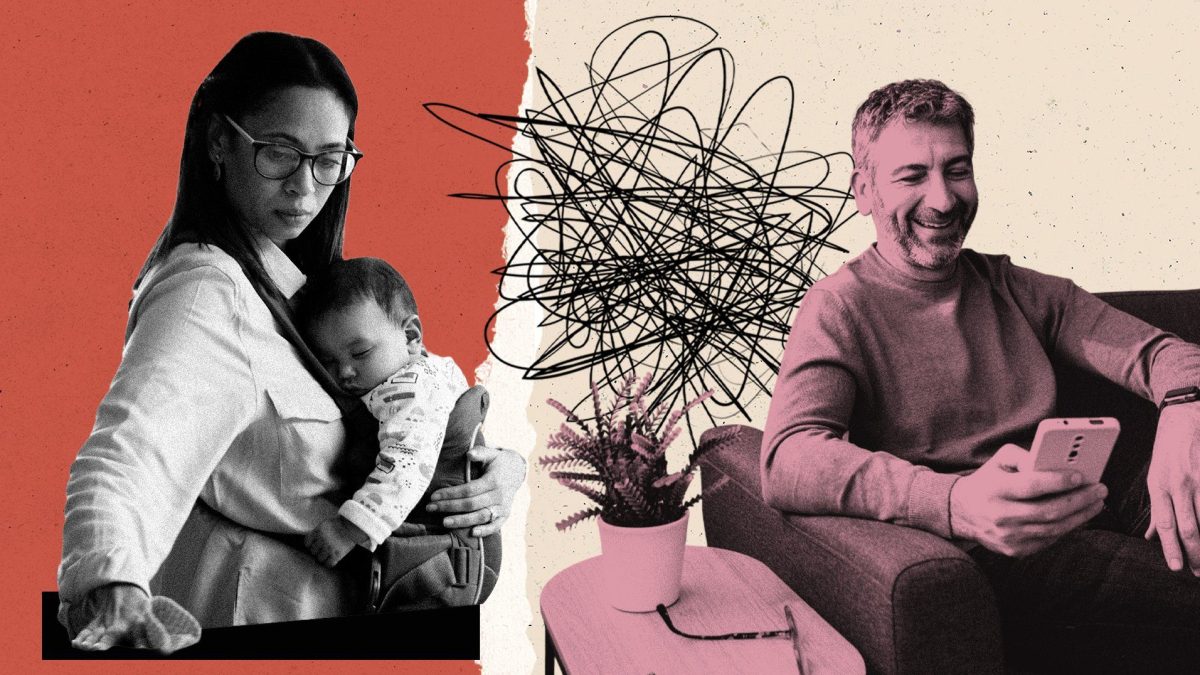
Divorce, once rare and stigmatised, has become mainstream – 42 per cent of marriages now end this way, meaning nearly half of us who get married can expect to experience it in our lifetime. Just as every marriage is different, so is every divorce. In this column, divorcees reflect on their life-changing experience. Helped by the benefit of hindsight, they share advice and reflections. Beth*, 46, spent 20 years married to her now ex husband James*. Here she explains why – despite the divorce coming through – she’s still furious with him. Even though my divorce is finalised, I still can’t see my ex-husband without my blood starting to boil. People assume that once the paperwork is signed and you’ve both moved on, the anger and upset at ending a marriage fades away. There’s an assumption divorce brings closure; for me, it hasn’t, and I’m not sure I’ll ever be able to look at James without feeling angry. On the surface, we’re perfectly civil. We have two children together, so we Whatsapp most days about them, discuss school events and birthdays, and do everything we can to keep things normal for them. Inside, I’m furious. I’m 46 now, and when I look back on the 20 years I spent married to James, I don’t just feel sad – I feel cheated. I gave the very best years of my life to someone who never appreciated me, our family, or what he had. Shorts We met in our early twenties, and like so many couples, we built a life together from scratch. We married when I was 24, bought a home, had children, and settled into what looked from the outside like a perfectly ordinary family life. For a long time, I convinced myself that ordinary was enough. I never asked for grand romantic gestures or expensive holidays. I didn’t expect flowers every Friday or handwritten love letters. I’d watch what James wanted to on TV, and if he wasn’t feeling social, I’d cancel plans with friends. I didn’t want a knight in shining armour, I simply wanted a partner. Instead, somewhere along the way, I became the manager of our entire family and James went from a partner to a third child. I cooked virtually every meal we ate throughout our marriage. Twenty years of breakfasts, packed lunches, dinners, shopping lists and meal planning. If there was food on the table, I made it happen. I handled most of the childcare, too. School uniforms, dentist appointments, parents’ evenings, birthday parties, playdates, world book day costumes, immunisations – it all landed on me. Then there were Christmases. Every year, I organised everything. I bought presents not only for our children but for James’s parents, siblings, nieces and nephews. I wrapped them, labelled them and made sure every card was written. If I hadn’t done it, it simply wouldn’t have happened. I don’t think he ever really noticed how much work any of it took. That’s what hurts most. Not that I worked hard – families require effort from everyone – but that my effort became invisible. The level of emotional labour I put in was exhausting but it was never ever noticed. There was never a coffee in bed for me, but plenty of cups of tea in bed for James made by me. If someone needed reminding, comforting, organising or planning for, it was automatically my responsibility. I’d happily have continued to shoulder the heavy lifting, too, if it had been appreciated. All I ever wanted was for someone to hold my hand every now and then, or to ask how my day had been. Or to look at me like I still mattered. Our physical relationship faded years before the marriage ended. I tried to talk about it more than once, but the conversations never really went anywhere and so eventually, I stopped asking. I’d tell myself it must be what long marriages are like and I kept myself busy. But as the children grew and the years passed, the upset kept bubbling. To the outsider, though, our marriage was perfect. Friends would describe us as stable, reliable. We’d never had dramatic rows or spectacular betrayals. There wasn’t one huge event that ended the marriage. Instead, it was death by a thousand paper cuts. Each one on its own seemed too insignificant to complain about; another forgotten anniversary, another evening sitting in silence, another weekend where I did everything while he drifted through it. The hardest part now is admitting how long I accepted it. More than a few friends have asked why I stayed for 20 years if I was unhappy. But I thought staying together was best for the children. I’d tell myself they benefited from having both parents under one roof. I convinced myself things might improve when they got older, when work was less stressful, when life settled down. I also genuinely believed marriage was something you fought for. I wasn’t prepared to give up without trying everything. I suggested date nights, started conversations, bought underwear, stayed in shape, waxed my bikini line and took care of myself physically to try and be attractive for James. I bent over backwards to make things work and it was all fruitless. By the time I finally left last year, I wasn’t heartbroken anymore, I was exhausted. People often imagine leaving a marriage is dramatic, full of shouting and slammed doors. Mine was strangely calm. I’d reached the point where I had nothing left to give. The divorce has now been finalised and, in many ways, life is much easier. I have my own space. I no longer carry the weight of trying to keep another adult afloat emotionally. There’s also a sense of freedom I hadn’t expected; I don’t spend every evening wondering why I feel lonely. I don’t spend every birthday hoping this might finally be the year he makes me feel special. Ironically, I’m far happier on my own than I ever was in my marriage. So why am I still angry? Grief fades far more easily than resentment, and I mourned the marriage long before it officially ended. The anger is about something different: time. I think about the woman I was in my twenties – optimistic, funny, full of energy – and I wish I could tell her not to settle for crumbs. Sometimes I feel robbed and cheated when I think about it all. Now I’m in my forties, and although I know that’s still young enough, I can’t help wondering what those decades could have looked like with someone who genuinely wanted to share the load, what might life have been like with someone who noticed me. My friends tell me I should let the anger go because it’s unhealthy, and I know they’re right. But I also think women are often expected to forgive far too quickly. We’re encouraged to move on, be grateful for the lessons, focus on the future. Sometimes, anger is simply the acknowledgement that something wasn’t fair. I don’t wish James any harm. I hope he finds happiness. I simply wish I’d recognised much earlier that I deserved more than surviving a marriage. If sharing my story helps another woman recognise herself before 20 years have passed, perhaps those lost years won’t feel entirely wasted. Love shouldn’t feel like carrying someone else while disappearing yourself. And if you’re constantly begging for kindness, affection or appreciation, maybe the problem isn’t that you’re asking for too much – maybe you’ve simply been settling for far too little. *Names have been changed
I wasted 20 years married to a manchild – I regret not leaving him sooner
Full Article
Original Source
Read the full article at Inews →KhanList aggregates and links to publicly available news content. We do not host full articles from third-party sources. Always verify important information with original sources.