
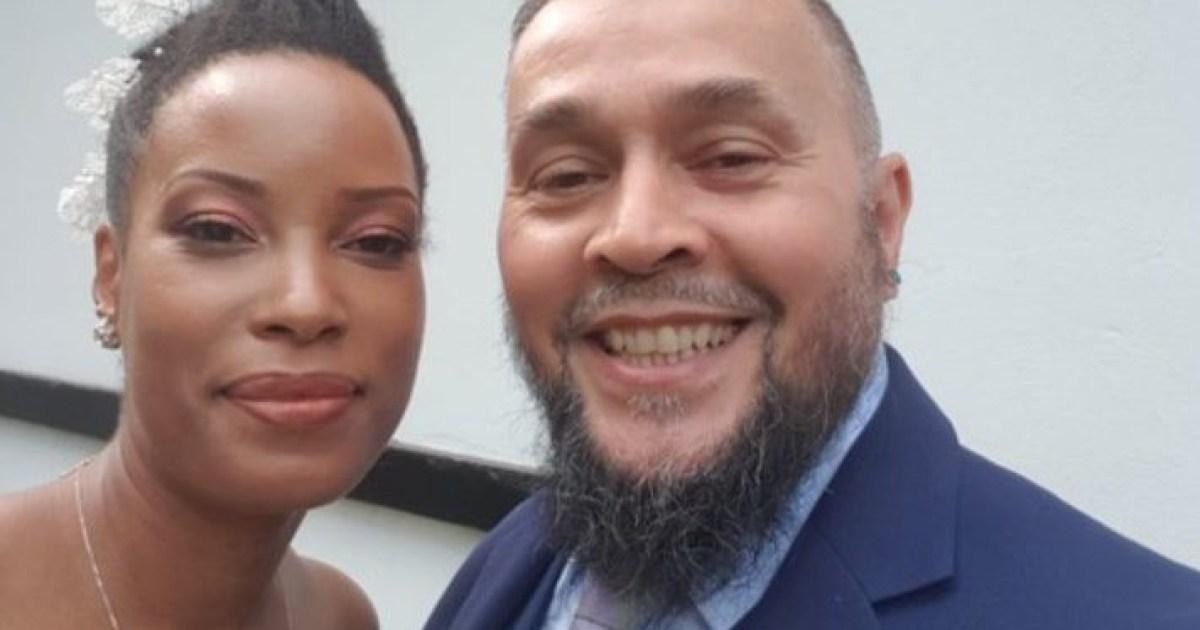
Selina discovered that in the eyes of the law, she had no say in managing her partner Ray’s affairs after his sudden death (Picture: Supplied) Anyone who knew anything about me and my partner Ray, knew we were in it for the long haul. We’d been together for 10 years – living together for seven – and just six months away from getting married. Then the unthinkable happened. Ray died unexpectedly at the age of 57 – and I suddenly realised that being his long-term partner rather than wife, meant nothing. In the eyes of the law I had no say in managing his affairs and no access to his funds. When Ray and I first met, we each had our own homes and grown-up children. After about six months of dating, we moved into his house and I rented mine out. We had so much fun together. We travelled a lot, and we’d have a carnival-themed barbecue for our friends and family every summer Bank Holiday. Ask Metro Use AI to go deeper into the stories you care about – powered by Metro and trusted publications. While we didn’t have any joint financial assets – it was on our list of things to do after getting married – we’d been saving up for the wedding and had both put money together for the deposit. ‘Friends would say, “But you’re his common law wife!”, but the more I learned, the more I realised that doesn’t exist,’ says Selina (Picture Supplied) When Ray died in 2022 it was incredibly traumatic; it happened on the day of his father’s funeral. We were at the wake when he was taken ill and he was blue-lighted to hospital, but Ray passed away on the same day. It transpired he’d had pneumonia, which had triggered a massive heart attack. I was in shock. I was barely eating or sleeping, and I couldn’t function at all. I have a background in finance, which meant I suspected there might be some issues because we weren’t married, but I didn’t realise it would mean I had absolutely no rights, until I spoke with a solicitor. Friends would say, ‘But you’re his common law wife!’, but the more I learned, the more I realised that doesn’t exist. There is no ‘common law’ husband or wife in the UK. When someone in the UK dies without a will, they die intestate, which means a spouse or civil partner, children, other relatives inherits everything- co-habiting partners simply aren’t included in this rule. A lot of people currently live without this sort of safeguard, and it can make them extremely vulnerable – which is exactly what happened to me. Ray’s house, for example, was jointly owned between him and his ex-wife. As soon as he passed away, his next-of-kin informed the bank and the house that we had lived in together for seven years was transferred to his ex Selina says that being excluded wasn’t just a financial nightmare, it undermined the value of their relationship (Picture: Supplied) I understood what was supposed to happen, legally, and Ray’s ex-wife was kind and reasonable – but it all felt so out of my control. It left me feeling like a stranger in what used to be my own home, so after a month, I chose to move out. My own property was still being rented, but luckily my sister said I could live with her for as long as I needed. As things were fractured between me and Ray’s family, I was kept out of the loop for his funeral. I only ended up finding out where he was buried because the coroner who investigated his cause of death recognised me as an interested party and informed me when his body was released. Instead, his friends and I arranged a celebration of Ray’s life afterwards – but it was devastating at the time and I remember crying buckets of tears at each new roadblock I came up against. At one point, our wedding venue called and said, ‘Someone is trying to get a refund of your deposit’. I don’t know what happened to that money in the end; I just couldn’t bring myself to fight that particular battle. Being excluded wasn’t just a financial nightmare, it undermined the value of our relationship. Because I wasn’t part of those intestacy rules and laws, I was made to feel like I didn’t even exist. Ray and I lived together. We shared responsibility for the house we lived in together. We shared responsibility for each other. And then all of a sudden, it was like none of that mattered at all. Selina was grateful for the support from the charity Widowed and Young, as well as her colleagues who helped keep her business afloat I was not financially dependent on Ray. But that doesn’t mean his finances did not impact my own. Going from two incomes to one had a huge impact on what I was able to do, moving forwards – especially considering the fact that I had to cut back on work while I was grieving. At the time, I ran my own business, Black Girl Finance – but in those initial months, just doing my job was so, so difficult. It would take me a day to send one email. I had a small team who were very supportive and understanding. But for them, I do not think my business would still exist. And thank goodness for them – because, since Ray and I were unmarried and did not have children together, I had no access to Bereavement Support Payments which at the standard rate is a lump sum payment of £2,500 and a monthly payments of £100 for 18 months in any capacity, either. I had a small amount of rental income coming in; but for the first few years after Ray passed, I lived mostly on wedding savings from my own account, which was lucky as I had no access to any of my partner’s money. I did a little bit of work here and there, just to try and keep going, but I definitely wasn’t at capacity. I was just grateful that I had discovered the charity Widowed and Young, as meeting others in my situation meant I at least didn’t feel completely alone in the early days. It took about two years before I felt like I could get on with my life, make plans and move forward. I had to build myself back up, from scratch, not only on an emotional level; but on a financial one, too. But it shouldn’t have to be this way. A government consultation to reform the law governing financial arrangements and protections when relationships end in England and Wales ends today. Called the ‘fairer end to relationships consultation’, it’s vital because the way we live has changed. More and more couples are choosing to live together without getting married but the current rules are still set out in a more traditional way – and I think we need to acknowledge that. Selina is hoping a government consultation will change the way co-habiting partners are viewed in the law (Picture: Supplied) There is probably a large majority of UK people who are cohabiting without realising just how vulnerable a partner passing may make them. Of course, I would encourage them to get their affairs in order as much as possible. But it’s about time the law catches up with the way people are choosing to live their lives. We need to recognise that a shared life is still a shared life, even if the wedding has not happened. We need to make sure that bereaved unmarried partners are not made to feel like they do not exist at the worst time in their lives. And we need to put safeguards in place before more people find themselves left with no voice, no access to funds, no recognition and no support when they need it most. I know first hand what happens when the law does not recognise the life you have built with someone. It’s utterly devastating. You can find out more about the charity Widowed and Young here. Do you have a story you’d like to share? Get in touch by emailing izzie.price@metro.co.uk. Share your views in the comments below. Arrow MORE: ‘Frisky’ Ryan Thomas reveals consequence of separate beds with Lucy Mecklenburgh Arrow MORE: Inside the Air India crash simulation that ‘casts doubt on pilot suicide theory’ Arrow MORE: We had a week of incredible sex — but now I can’t stop crying
I was with my partner for 10 years – when he died, I was left with nothing
Full Article
Original Source
Read the full article at Metro →KhanList aggregates and links to publicly available news content. We do not host full articles from third-party sources. Always verify important information with original sources.