
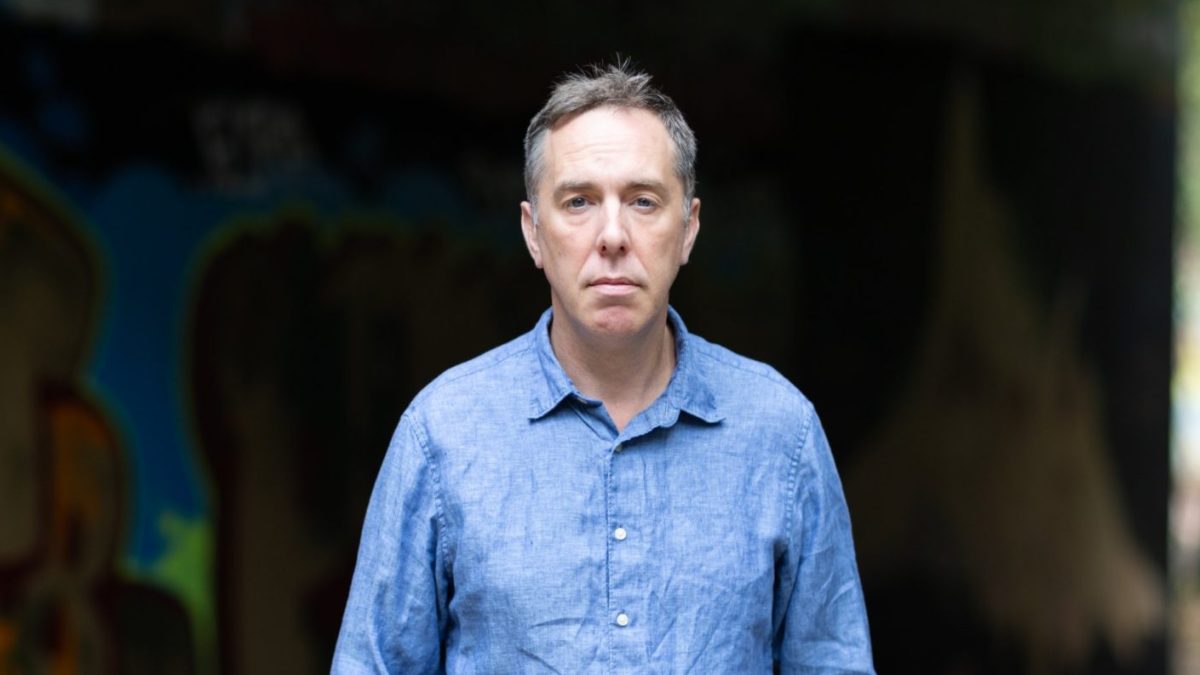
I first entered the imposing gates of HMP Wandsworth in July 2016, and the crumbling Victorian edifice reminded me of Castle Greyskull from the He Man cartoons. I was welcomed by a ginormous bald officer with multiple tattoos, whose terrifying appearance made him ideal for scaring the willies out of trembling new prisoners like me. I’d just been convicted of tax fraud for using a dodgy finance scheme to fund my film and given a five-year sentence, of which I’d serve half in custody. The officer rightly guessed I’d never set foot in prison before and gave me a cheerful introduction to my new home. “Welcome to Wandsworth, the biggest prison in Europe. Right now, we’re the second most overcrowded jail in England and have the highest suicide rate.” I would soon witness firsthand how these depressing statistics were deeply interlinked, and see how chronic overcrowding had brought the entire prison system to its knees – a problem Andy Burnham is now grappling with. The Government has U-turned on an emergency early release scheme introduced under Sir Keir Starmer. It has announced £110m will be spent converting unused office space, laundry rooms and storage space into more cells. Shorts Imagine a school which increases its class sizes from 30 to 60, while cutting teachers. Or picture a hospital where wards built for 20 beds must suddenly cope with 40 patients – while slashing nursing staff. Two things would immediately happen: a complete collapse in standards and an explosion of national outrage. This is what had occurred to HMP Wandsworth before I moved in, a prison designed for 800 inmates, now struggling with over 1,500 (the population remains at this level today). Nationally, prisoner numbers had doubled since the 90s, while staffing levels had dropped by a third – a shocking defunding of the justice system carried out by the coalition government in the 2010s. As I nervously entered the induction wing, I learned that most prisoners were now locked in their cells all day, every day, a permanent state of misery nicknamed “bang up”. My first cellmate ruefully suggested that the easiest way to imagine these conditions would be to go into a bathroom with a stranger, lock the door and flush the key down the toilet. After a week of 23-hour bang up I realised what he meant. I got so stir crazy I would have seriously contemplated joining the Islamic State to get out of my cell. I spent hours staring dementedly out the crack in the door, dripping with jealousy at the inmates who were happily walking the landings, some of whom had gone to extraordinary lengths to escape their cells. There were several Muslims on my wing, and they all signed up to the weekly AA meetings. They were strictly teetotal but pretended to be alcoholics to stretch their legs and chat with their friends. ‘Inmates leave our bursting prisons far more damaged than they went in, and many fall right back into crime,’ says Chris Atkins (Photo: Teri Pengilley) I learned that the best way to leave my cell was to obtain a job assisting the officers, who were vastly overstretched as the government kept cutting their numbers, and I quickly became the screws’ bitch. They soon asked me to tick off the morning register as inmates left the wing, a role that should have been undertaken by an officer and not entrusted to an offender who had just been convicted of a highly publicised crime of dishonesty. I wasn’t remotely shocked when Daniel Khalife vanished from Wandsworth several years later and was only surprised that such daring escapes didn’t happen more often. I served nine months in Wandsworth (before moving to the relatively better conditions at Ford Open Prison) and kept adding more jobs to my portfolio, allowing me to explore every corner of this grossly dysfunctional jail. As a writer and journalist, I realised I was in the middle of the biggest story of my life and kept a detailed diary of my mad experiences, which later became my bestselling book, A Bit of a Stretch. I saw that chronic overcrowding was the cancer killing the entire prison system. The never-ending bang up meant that prisoners’ mental health spiralled, triggering an epidemic of self-harm. Many inmates would self-medicate their misery with illegal drugs, and the trade in narcotics was rampant. When prisoners were eventually let out of their cells, many would release their pent-up frustration and anger, and violence skyrocketed. The poor officers were run ragged by this daily chaos and were unable to deliver purposeful activities for the inmates. While the prison did have an education department, its impact was negligible as the officers rarely had the time to unlock prisoners and escort them to classes. Teachers would often sit alone in empty classrooms, which was particularly tragic as many offenders fell into crime through a lack of education, and tuition in literacy and numeracy would have significantly reduced reoffending. The public often dismisses the overcrowding crisis as something that doesn’t affect law-abiding citizens – who cares if some criminals are having a hard time? But this is a false perspective. By simply warehousing prisoners, we have abandoned any hope of offering rehabilitation and steering offenders on a better path. Inmates leave our bursting prisons far more damaged than they went in, and many fall right back into crime. I would often say farewell to a neighbour on a Friday afternoon as they were released, only to see them back inside by Monday morning. The revolving door was so entrenched that cons would sometimes go right back to their old cell. The consequence for the public is heightened levels of crime – around a third of released prisoners reoffend within a year, rising to 60 per cent for those on short sentences. If our prisons were less overcrowded and could function as centres of rehabilitation, then crime rates would fall. Nordic countries have long prioritised education and therapeutic treatments for convicted criminals and subsequently have far lower levels of reoffending. These progressive policies have allowed these countries to close prisons as fewer offenders cycle back through the system. The UK is taking the exact opposite approach, fixated on relentless and brutal punishment. As a result, we are all paying for an ever-rising prison population, which is set to increase by 10 per cent to 100,000 by 2030. We have given up trying to prevent reoffending and opt instead to pack damaged criminals into crumbling prisons like sardines. Starmer’s government didn’t cause this crisis but had to somehow deal with the mess inherited from the Tories. It tried to limit overcrowding by introducing an emergency release scheme in 2024 which let some prisoners out after 40 per cent of their sentences (as opposed to 50 per cent in my day). This had a raft of unintended consequences, as inmates were suddenly dumped out the prison gates with zero preparation for their release, and many quickly breached the terms of their licence and were recalled back inside. The recall rate shot up by 30 per cent in 2025. In early 2026, more inmates were recalled back to prison than were let out, meaning the early release scheme actually helped increase prison numbers – the exact opposite of its intended purpose. There are sensible ways to reduce prison numbers which don’t involve kicking the can down the road. Imprisonment for public protection sentences (IPPs), long discredited as utterly unjust and inhumane, were abolished in 2012, but there are still 2,700 men trapped inside on these barbaric schemes. IPPs had no fixed release date and were given when a crime did not deserve a full life sentence, but the offender was deemed to pose a high future risk of harm. Even the Tory justice secretary Alex Chalk called them “a stain on our justice system”. The Labour Government has rightly promised to end this massive miscarriage of justice by the end of this Parliament. But it needs to act now and start letting these men go – some of whom have served 10 years over their initial tariff. This would go some way to easing the chronic overcrowding that is causing so much destruction to our society.
I was middle-class, middle-aged and banged up in the UK’s worst prison
Full Article
Original Source
Read the full article at Inews →KhanList aggregates and links to publicly available news content. We do not host full articles from third-party sources. Always verify important information with original sources.