
“I don’t think I was a good dad,” says 61-year-old Simon, from Lewes, Sussex. “I feel guilty about allowing work to dominate my life, not spending as much time with the children as I could have, and being distracted when I was with them. But I didn’t have much choice: we had no money and little support from our parents. In the 80s and 90s, there was a stronger expectation that fathers would be the main breadwinners, while mothers took primary responsibility for the children and the home. I had to do a lot of overtime and rarely got home in time to read a bedtime story.” Many grandfathers, like Simon, regret not having enough time with their children when they were young, and want to make up for it with their grandchildren. They are keen to be involved, hands-on grandparents and even help with childcare. “I see my grandchildren as a second chance. I’m very conscious of how fortunate I am to have them in my life and I’m much more able to appreciate and enjoy them,” says Simon. “When they came along my circumstances and my attitude to my work completely changed. I not only had more time for the grandchildren, but I also felt more at ease with myself and with the world. I really wanted to spend time with them, and be more present than I had been with my own children, and to value what I had rather than being so preoccupied with what I thought I needed to achieve.” Shorts The only problem is that adult children who aren’t used to seeing their dads in a caring role may be a bit nervous of trusting them with their own little ones. This was the case for Simon. Also for Jess, who has a four-year-old daughter. Her father is recently retired and keen to be involved, but she says: “I really wouldn’t feel comfortable leaving my daughter with my dad. She has a lovely relationship with him, but we couldn’t leave them alone together for more than about half an hour. We would never ask him to babysit, because he wouldn’t know what to do if something happened. I don’t think he realises that if she was anything other than having a great time, he’d find it really difficult.” Dee Holmes, a former counsellor for Relate, explains that adult children can have mixed feelings about their fathers’ grandparenting. “Quite often you get the situation where the grandfather is retired and has more time, and he can’t get enough of the grandchildren. But the adult child can feel jealous, or even a bit unsure, about his father’s grandparenting because they think, ‘My dad was never like that with me. He was always working or he was very distant.’ It’s an interesting dynamic.” Being a grandparent has changed dramatically for men – even more than it has for women. Traditionally, grandfathers were either twinkly or stern, but always a bit distant, while grandmothers were generally more cuddly and hands-on. These days, the remote patriarch has often been replaced by a more caring kind of bloke who wants to get closely involved in his grandchildren’s lives. Above all, grandfathers want to be very different from the way their own grandfathers and fathers were with them. In one study of Australian grandfathers, 65 per cent said they behaved differently from the way their own fathers had as grandads: they were more involved, spent more time with the kids and were less authoritarian. According to Professor Anna Tarrant, director of the Centre for Innovation in Fatherhood and Family Research at the University of Lincoln, “the cultural shift towards fathers being more involved with their children over the past few decades has had a big impact on grandfathers, who also want to be more involved. At the same time, ideas of masculinity have changed dramatically”. The current generation of parents often grew up with fathers who weren’t around much, and when they were at home they were often distracted and exhausted, and left most of the hands-on care to their wives. Incredibly, paternity leave for new fathers wasn’t introduced until 2003. “My son and daughter were used to their mum doing all the caring,” continues Simon. “My kids had always known me as a pretty hands-off dad who never changed nappies and was quite incompetent in anything other than reading picture books or doing Lego. They could sense that I was hypervigilant and inclined to worry with little children, and they’re well aware that I’ve never been very confident about caring for under-fives.” This meant that she naturally preferred her mum, her sister, for childcare. “Initially it was disappointing, but I understood that my daughter-in-law in particular would want to feel completely confident about whoever was looking after her kids.” It’s not surprising that grandfathers who lack hands-on experience with their own children also feel unconfident with their grandchildren. When it comes to childcare, grandfathers usually work as a team with grandmothers, rather than looking after the kids on their own. As a result, they can end up feeling second best, and often say things like: “Granny’s the one they love, she’s the expert.” Babies and toddlers usually calm down more quickly with their grandmothers, so they naturally step in first, so grandfathers don’t get the chance to work out their own way of doing things. If they’re allowed to, they usually manage just fine. Anthony, 73, a retired infants’ school headmaster, says: “The baby always cries when I pick her up, whereas my wife’s got a natural way with her. Whether it’s my smell, or she can sense I’m not as confident as other people, I don’t know.” Simon adds: “My wife was invariably the first port of call, particularly when the grandchildren were very young, so I very rarely got a chance to be on my own with them. She was always in charge and I was in a supportive role. I don’t think she wanted to share it with me more fully. I’ve become much more involved since the kids have got older.” Abby, 35, a freelance designer from north-west London, relies on her parents to look after her two children two days a week. Usually they come together, but recently her father volunteered to look after her three-year-old on his own. She says: “Dad has no confidence with the kids. There was a time when I didn’t want to ask him to look after them because I knew he’d get worried. But he’s gradually getting better. Recently, he suggested that maybe he could stay for an hour or two after Mum went home. We tried it and it worked. That’s given him more confidence about looking after them by himself.” Today’s grandfathers lack role models in their own fathers and grandfathers, so, in a surprising reversal of roles, they are learning from their sons. Tarrant’s research found that, given all the changes in expectations of men’s involvement in family life, sons were a big influence on their dads. She says: “They were keen to spend time learning and investing time in the care of their grandchildren in new ways. They said things like, ‘My son was doing all this nappy changing, and I’d never even thought about it before, so I started doing it myself.’ But there is often an element of asking for permission from the daughter or daughter-in-law, which a grandmother might not feel she had to do.” This is certainly true for Simon. “My son is an incredible father, and I’ve learnt a lot from him. I suspect he’s reflected quite a lot on my parenting of him and does things differently with his own children – I think he’s seen what was missing and made a deliberate effort to fill that gap with his own children. I’m very proud of him for that.” Celia Dodd’s new book, Grand Expectations: The Joys and Dilemmas of Being a Grandparent, is out now
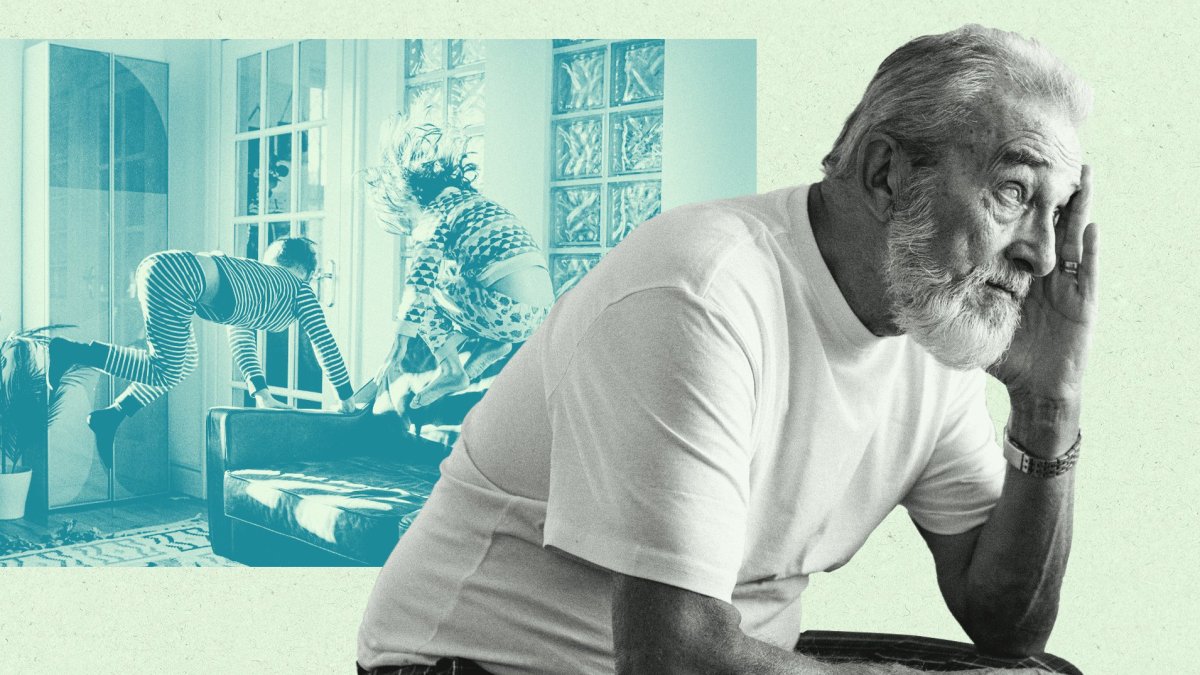
I was an absent dad – I want to be a better grandparent but my kids don’t trust me
Full Article
Original Source
Read the full article at Inews →KhanList aggregates and links to publicly available news content. We do not host full articles from third-party sources. Always verify important information with original sources.